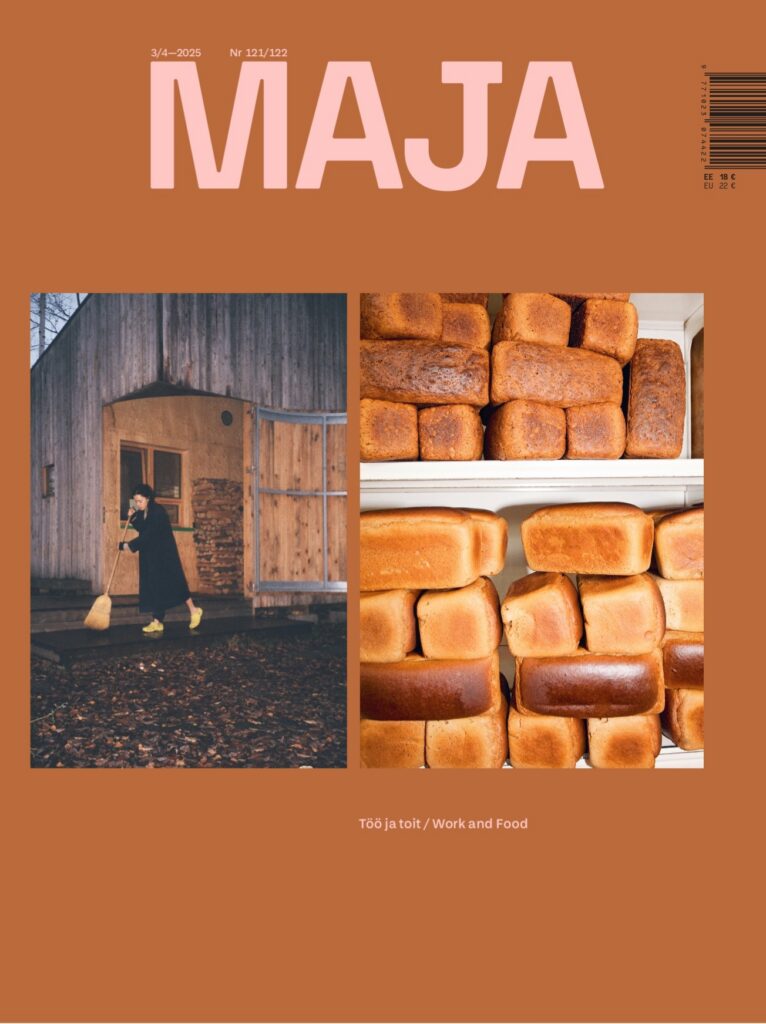
3/4-2025 (121-122): Work and Food

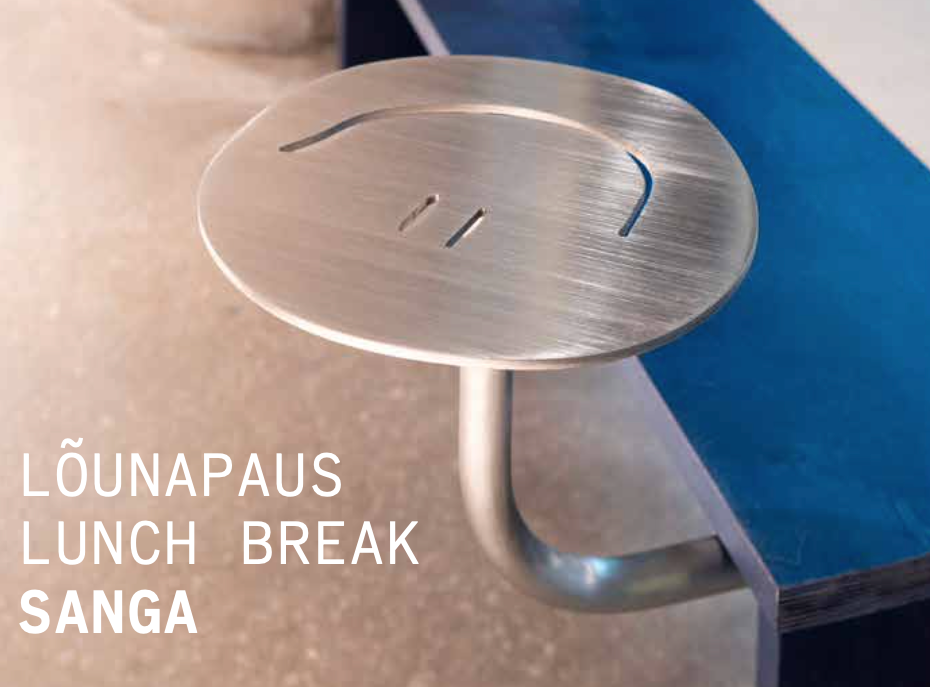
I have long waited for bread-focused restaurants or kiosks to appear in Tallinn, since good, fresh bread—whether sourdough, baguette, or brioche—is one of my greatest weaknesses. Happily enough, two such places sprang up almost at the same time. In the summer of 2024, the red-and-white Sai! opened on the edge of the Old Town, serving kurja koera võikus (literally ‘angry dog sandwiches’ in Estonian); at the end of the year, it was followed by the predominantly blue-toned Sanga in the Rotermann Quarter.
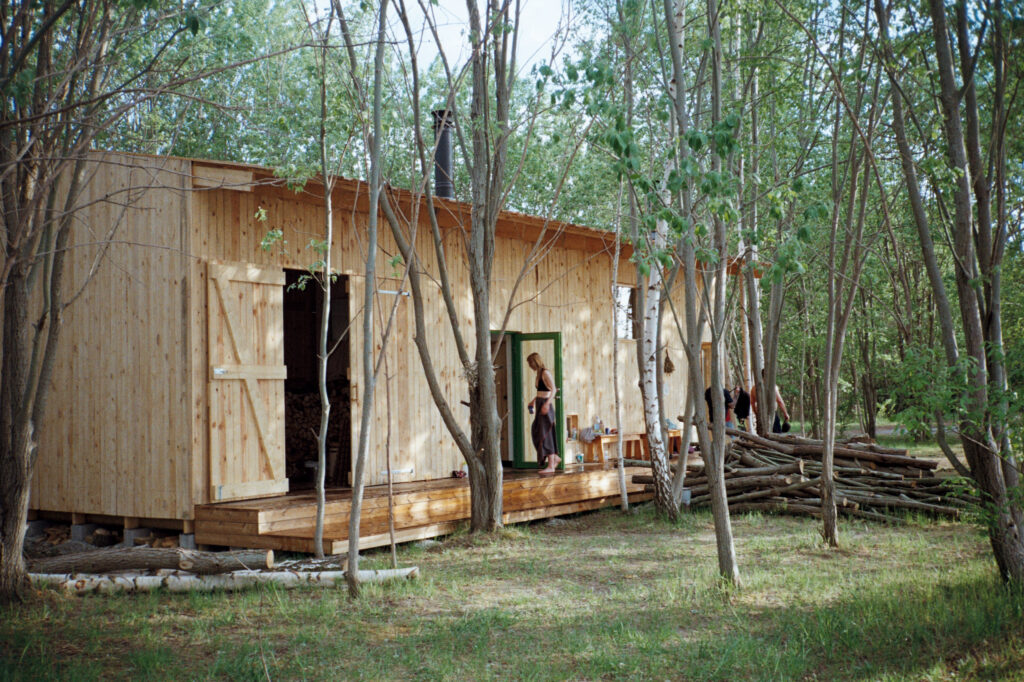
Kaisa Sööt, Margit Säde, Regina Viljasaar-Frenzel, and Liina-Liis Urke—the initiators, architects, and heaters of the community-run Logi Sauna in Tallinn city centre—talk to Diana Drobot and Linda-Li Arro about applying common sense in an urban environment, collaborating with the public sector, and having the courage to intervene in urban space.
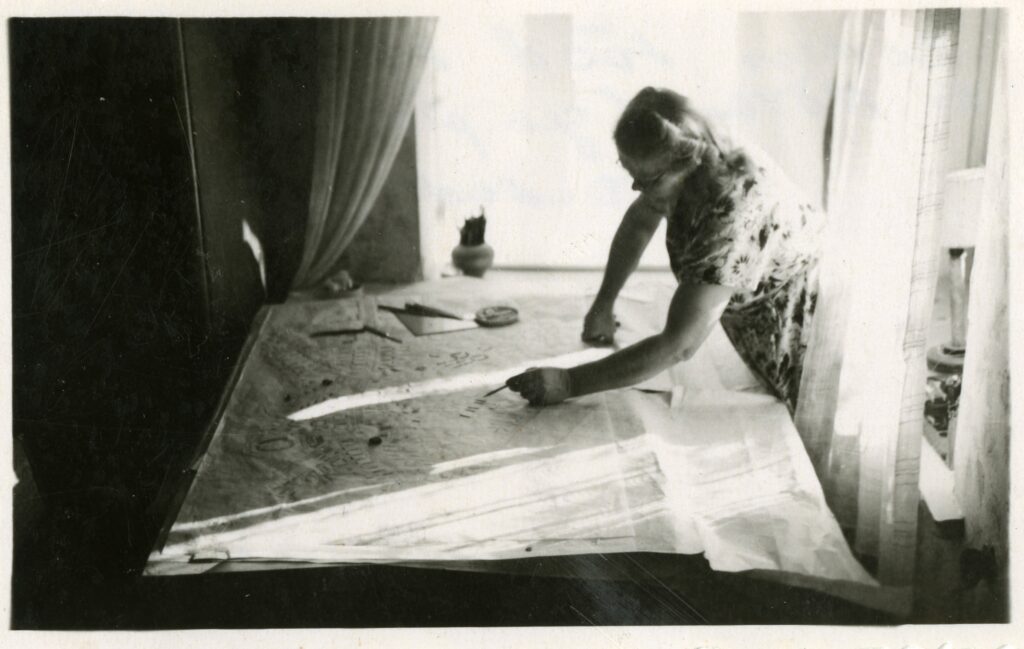
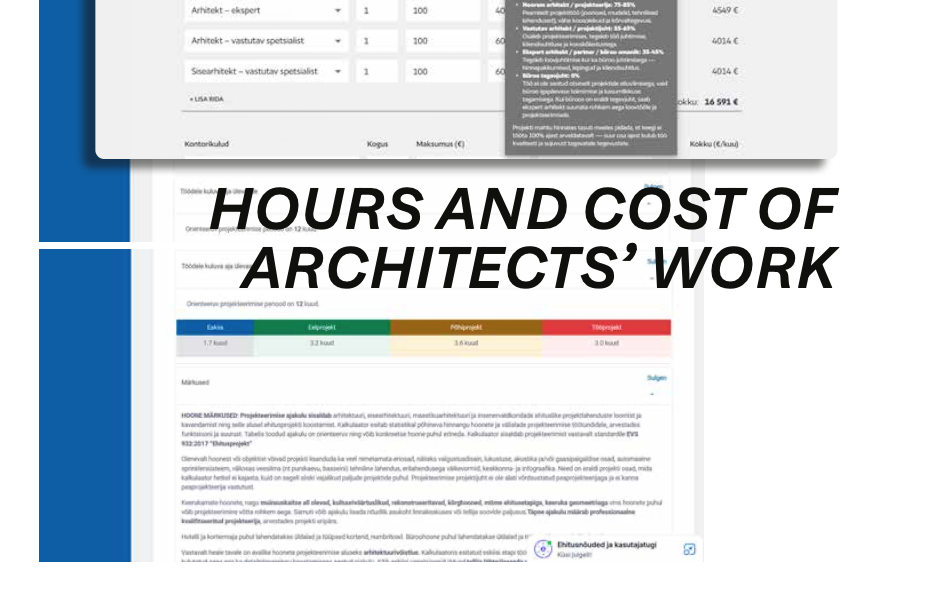
Indrek Rünkla's reflection on the nature of architectural work and the limits and paradoxes inherent in defining it. In exchange for work, we have been promised freedom, love, and money. It is said that doing work may even make one wish to prolong that beautiful moment. Work is measured in joules, hours, and euros. Work will still be there tomorrow anyway; a work well done speaks for itself; work kills, work feeds, and, where possible, makes a man out of a monkey.
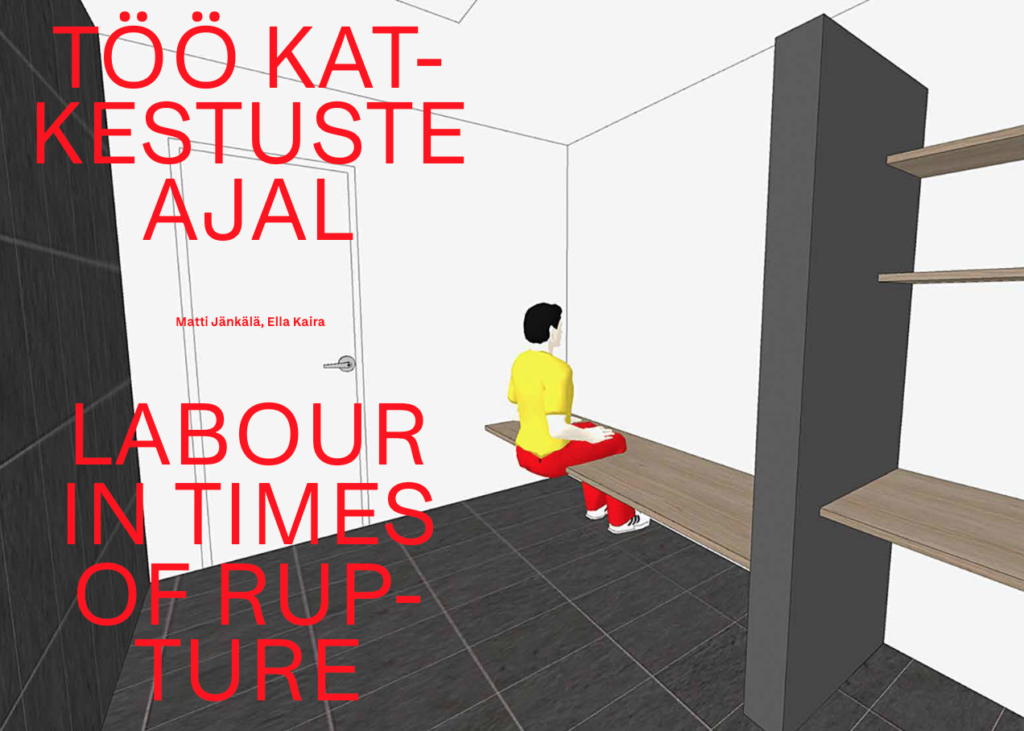
Madli Kaljuste invited Mari Rass, Ülo-Tarmo Stöör and Mihkel Tüür to discuss architects’ labour.
What is an architect’s work, and what is its result? Is it a finished building, street, auditorium? Or is it an abstraction of these things—a design, i.e., project documentation that will be translated into a building by someone else? We asked several architecture collectives for their opinion.
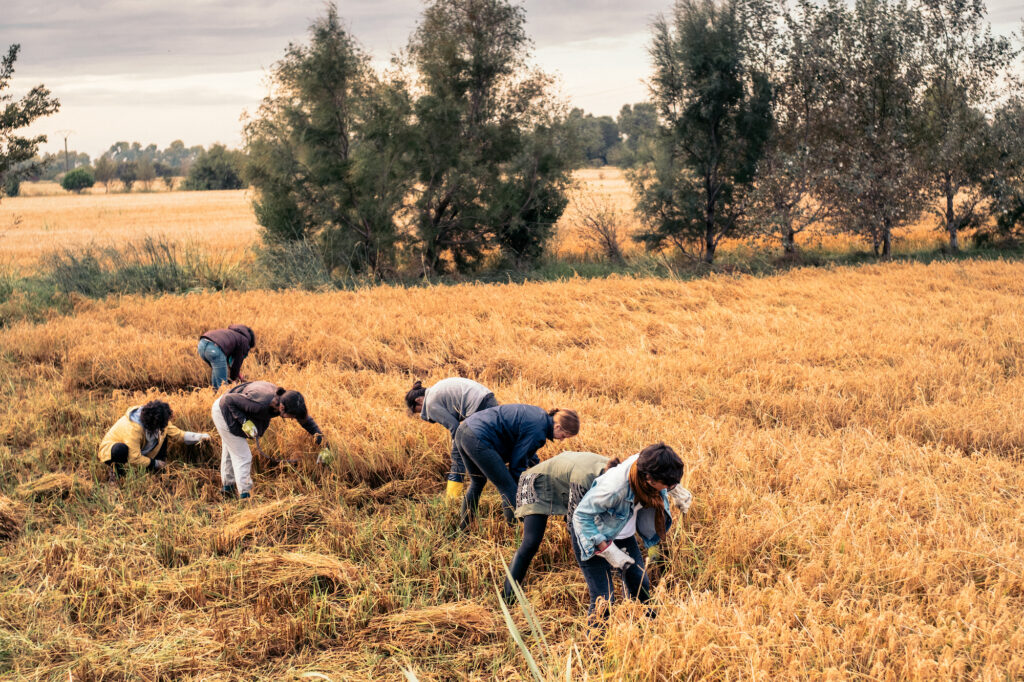
Designing with a territory values connection over extraction. Clara Kernreuter from Atelier LUMA and Maria Helena Luiga from kuidas.works discuss bioregional design.
Postitused otsas