(URBAN)LANDSCAPE
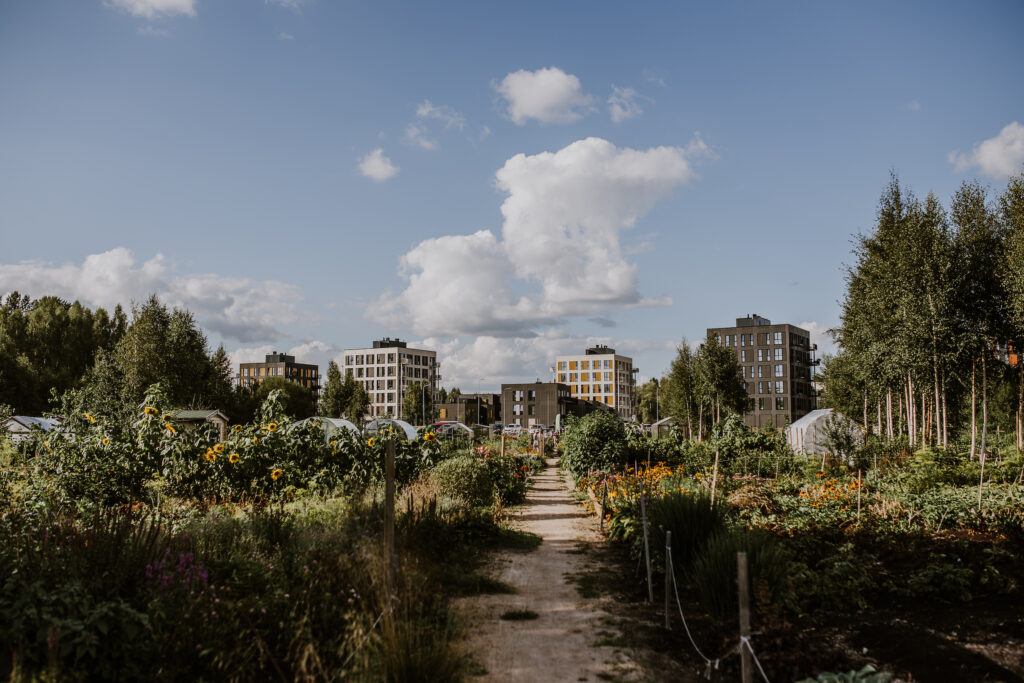
Henri Kopra, Iiris Tähti Toom, and Bianka Plüschke-Altof write about apparently modest urban gardening sites that comprise a wealth of ecological, spatial, and social infrastructure.
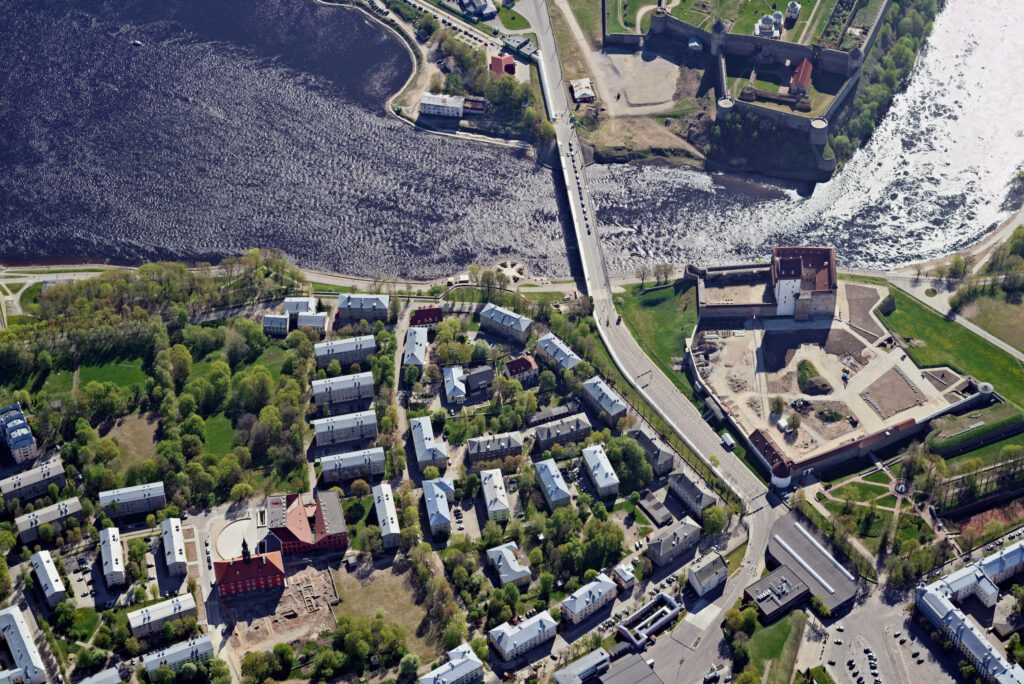
Francisco Martínez's and Joosep Kivimäe's inventory of spatial objects in Narva, a city on the Estonian border with Russia.
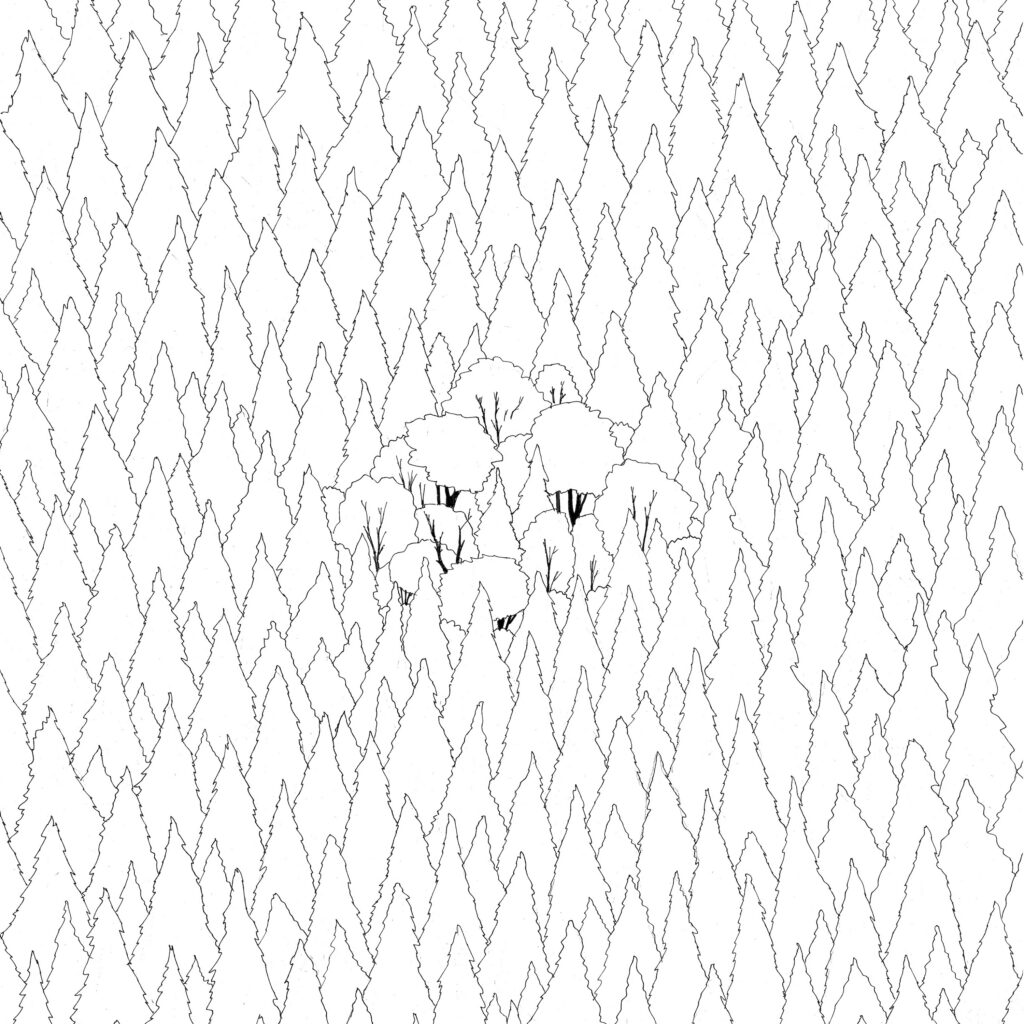
Architect Toms Kokins investigates the impacts of transnational forestry industry on the Baltic cultural landscapes.
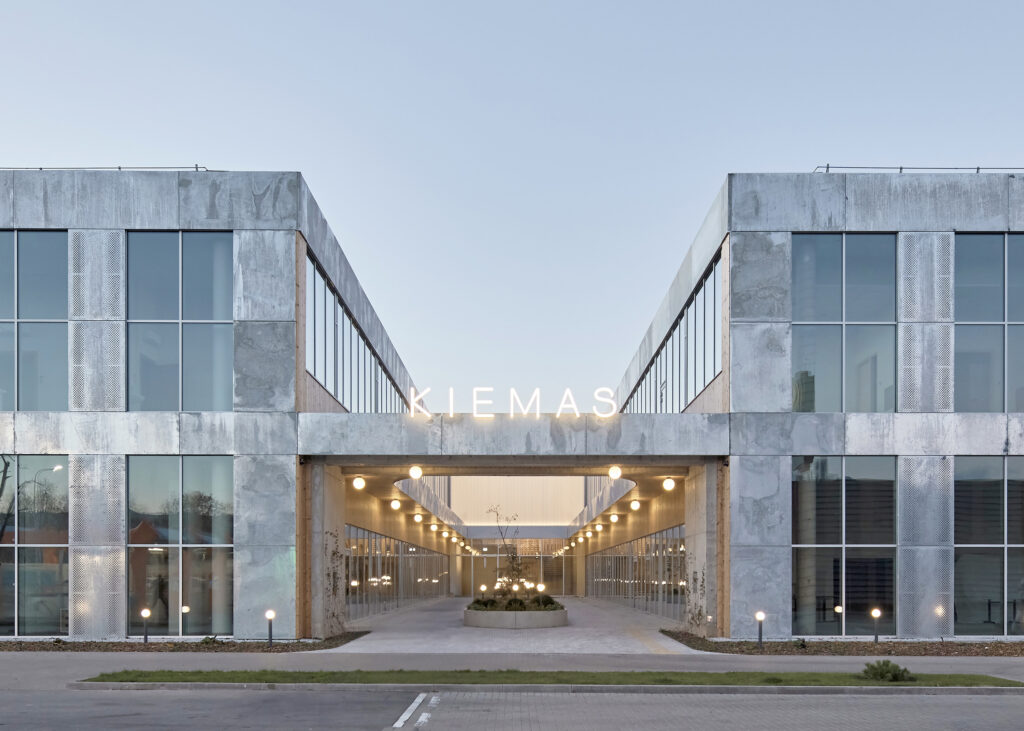
Balticness as a fragment of identity is a bit like a curiosity forgotten in the back pocket, only to be rediscovered from time to time. We asked a number of Estonian, Latvian, and Lithuanian archi- tects, architectural offices, and other spatial practitioners for their favourite spaces, spatial situations, or features that appear unique to the Baltic coun- tries (or one of them).
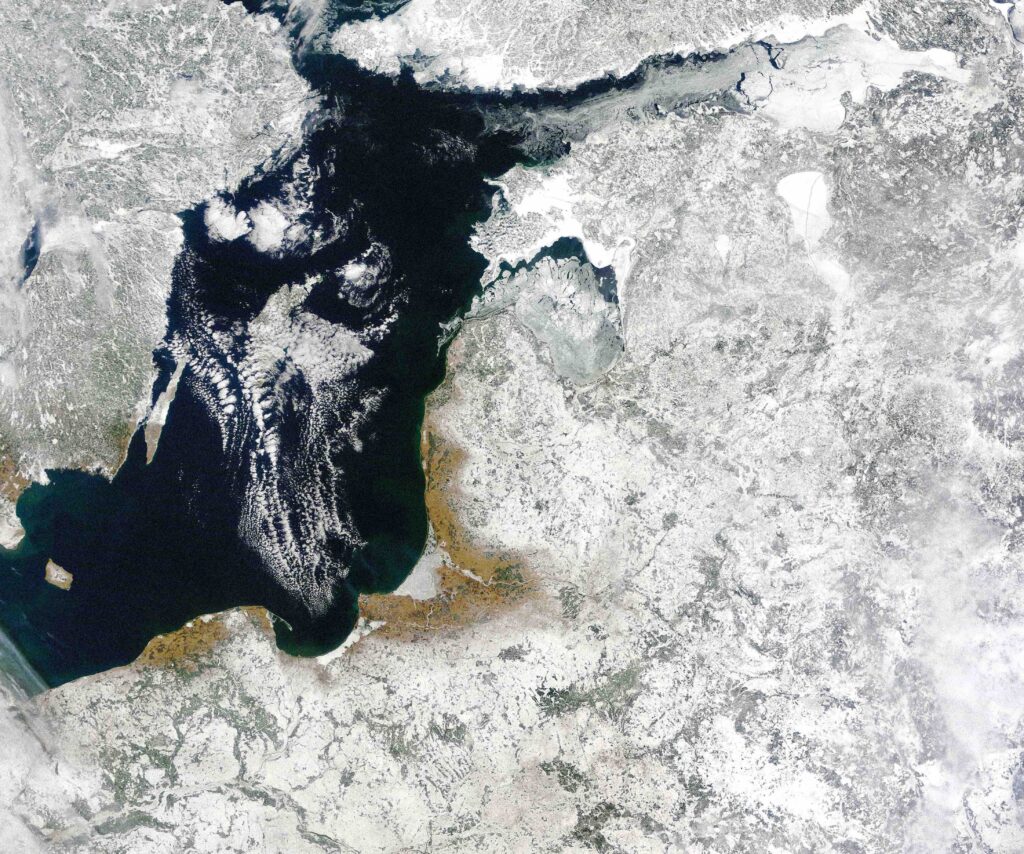
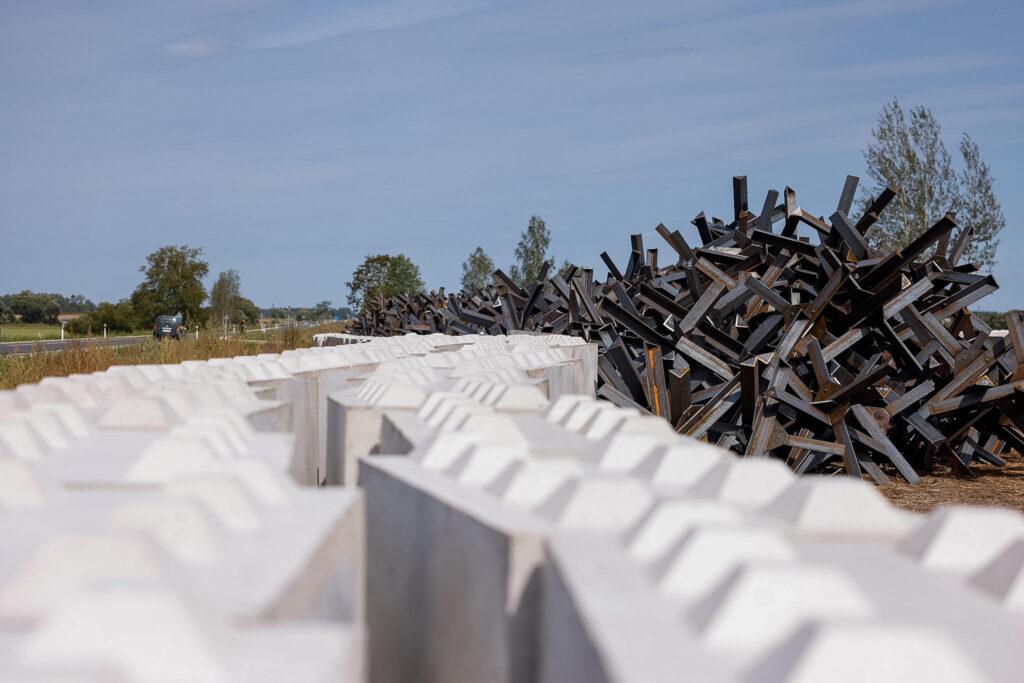
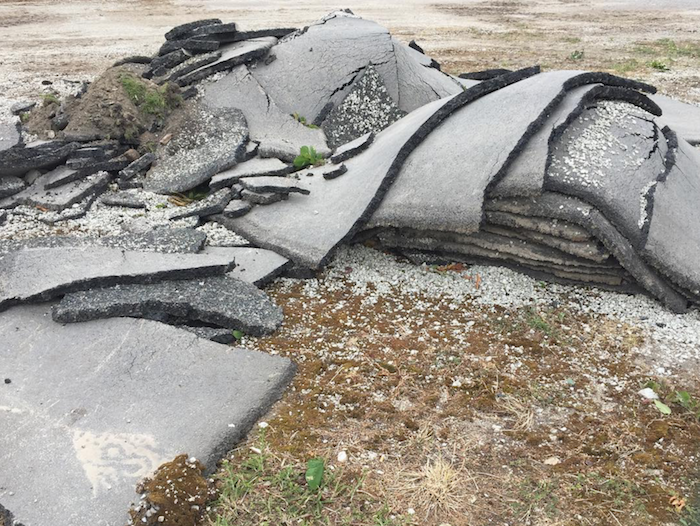
Balti riikide ja Venemaa (nagu ka selle lahutamatu liitlase Valgevene) vahelise piiri kindlustamisel on piirialade maastikule suur mõju.
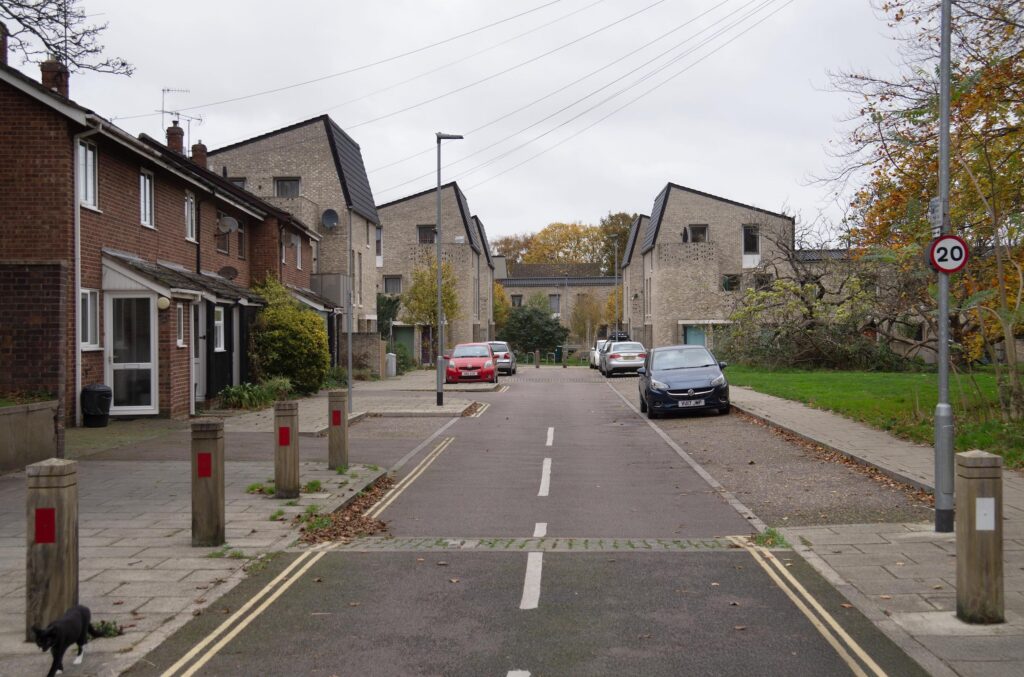
In the UK, a number of councils have adopted the passive house method in order to realise their growing ambitions in the housing sector. Could this also lead to an increase in spatial quality?
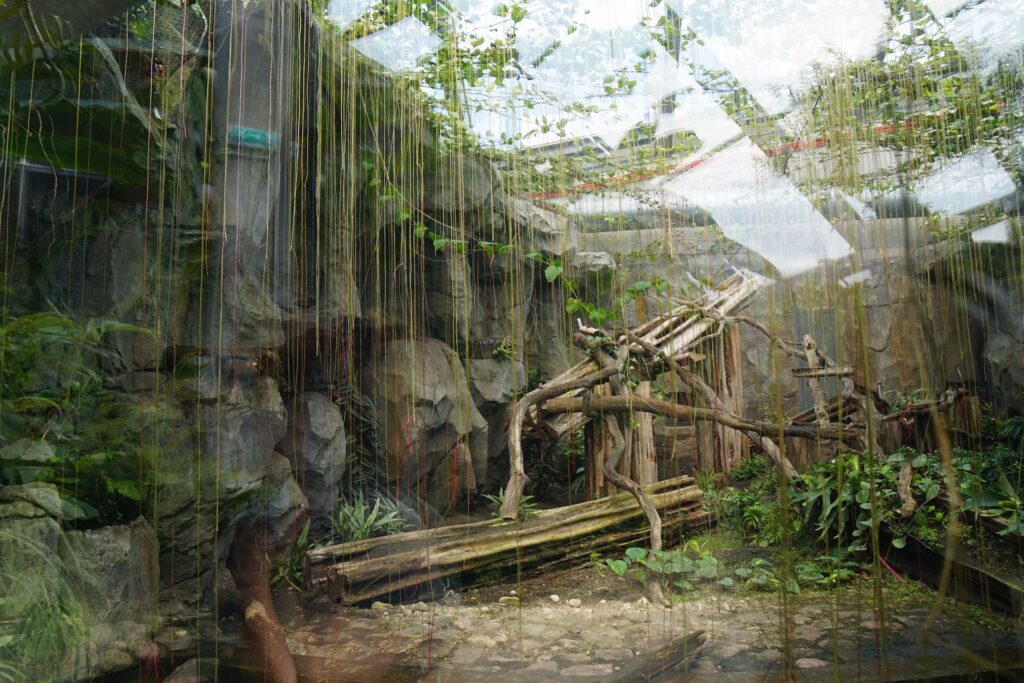
In a simulacrum of a Southeast Asian rainforest, technology enables precisely those animals and plants included in the exposition (!) to create their own little worlds. Neither the otter nor the binturong nor the plane tree nor silver pheasant Joosep is there merely as a consumer of its environment; their interrelationship transforms, but also recreates that very environment—a scene that I am able to pass through.
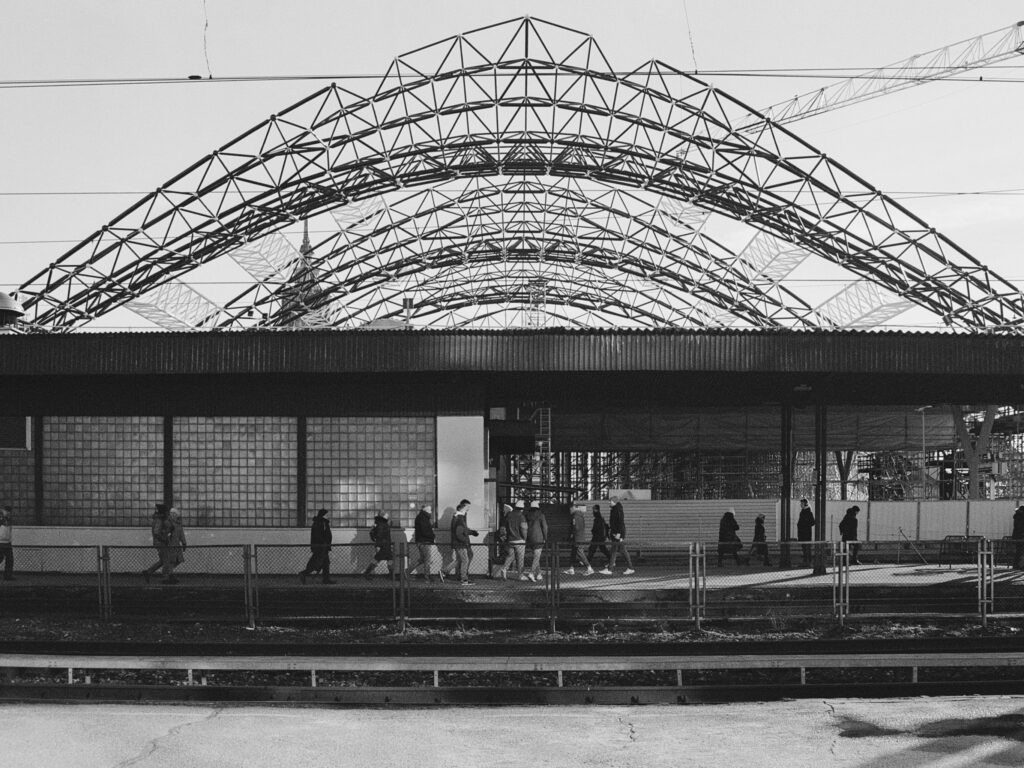
Authors ask: how to talk about a railway that currently exists only in our imagination, but is nonetheless very present in our daily lives?
Infrastructure qua base structure underlies or serves the superstructure. Superstructure must take into account the load-bearing capacity of the base and must not exceed it. The variety of connections and dependencies gives rise to sustainable and resilient bio- diversity, whereas simplifying it makes life vulnerable.
Postitused otsas