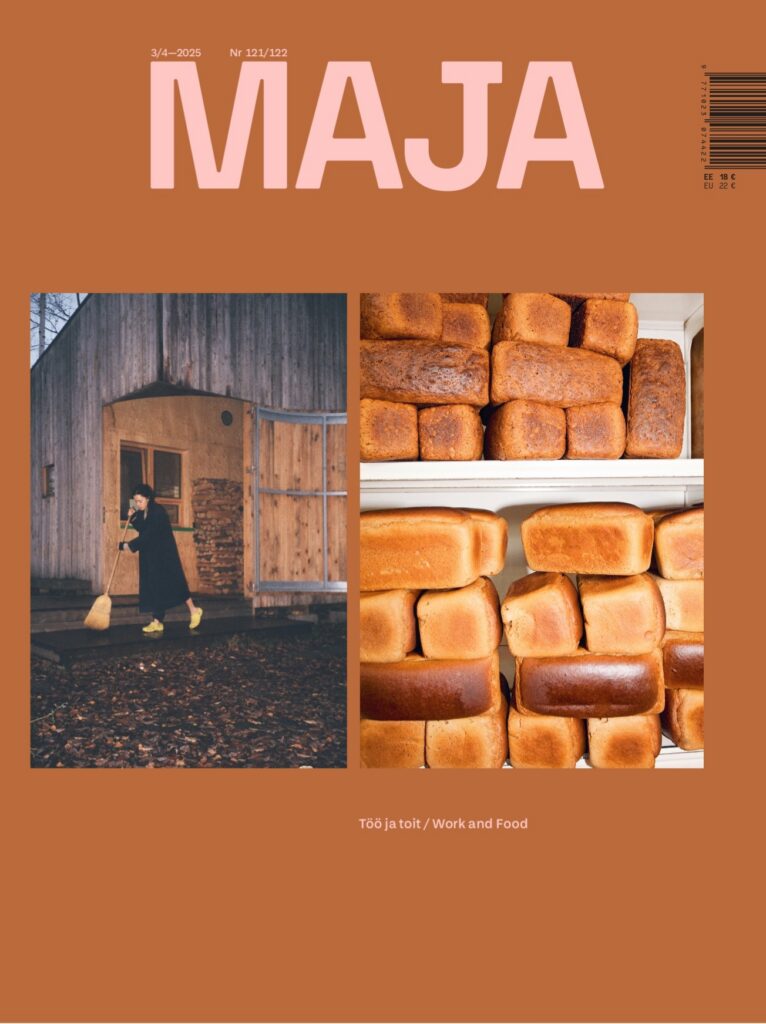
3/4-2025 (121-122): Work and Food

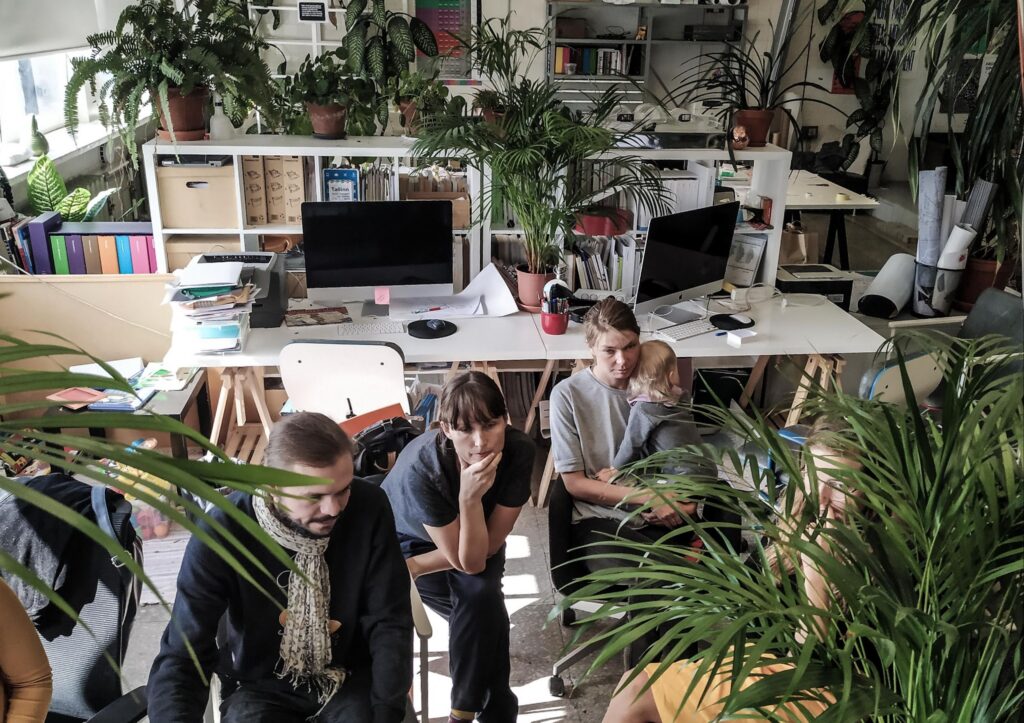
Twelve respondents—offices, architects, and collectives—describe what they take to be the result of an architect’s work. Their answers are accompanied by images of workplaces and moments in which the result is most clearly seen.
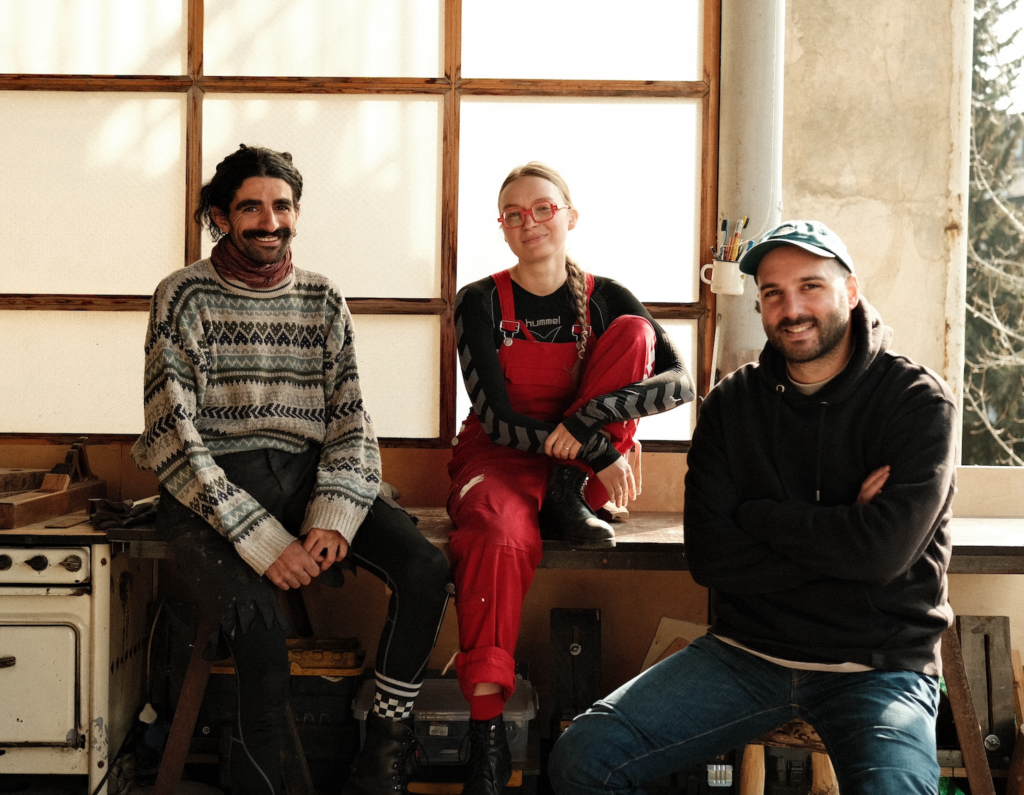
Garbage Kids is a collective of architects-turned-carpenters. The driving force behind their work is their frustration with a society that prioritises growth over sustainability and encourages overconsumption in a world with limited resources. In response, they use traditional craftsmanship and folk wisdom to create objects from found materials such as broken branches, scrap metal, and stones from abandoned quarries. Their practice strives to be intuitive, explorative, and free. Luka Abashidze, Ulla Alla, and Nika Gabiskiria share their thoughts.
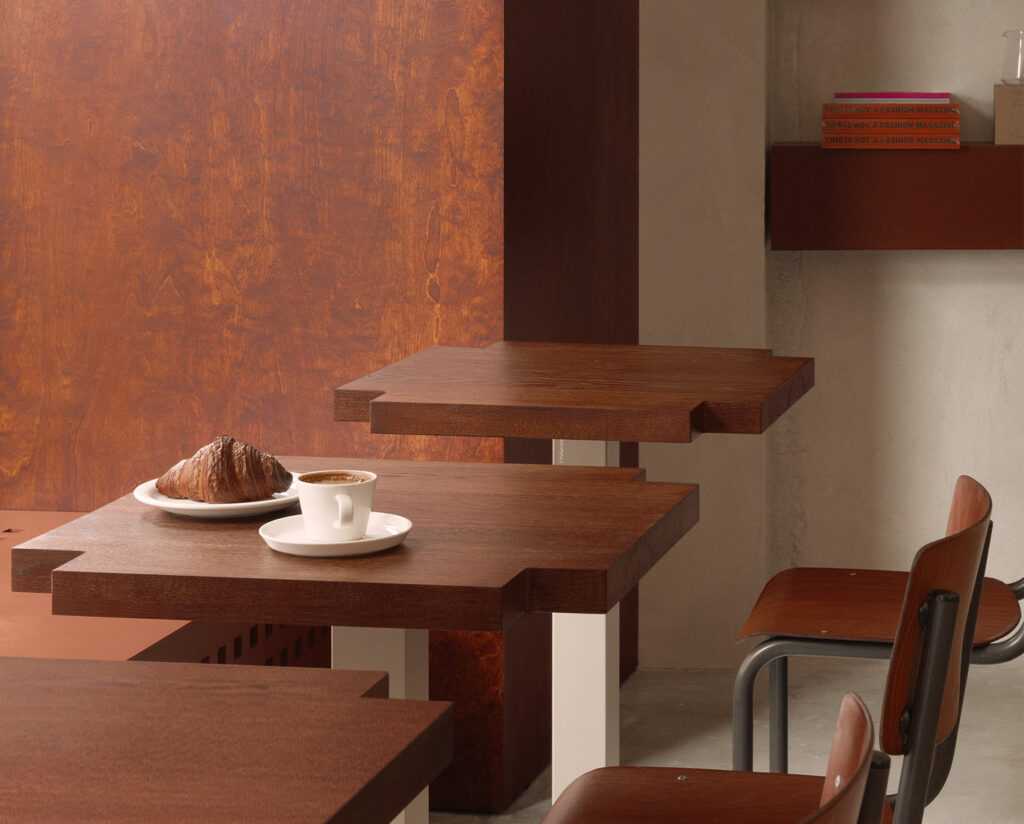
One spot offering coffee, pastries, and tables to sit at has set up shop on Pärnu Road, between a New Age shop and Reval Café. It is situated on the commercial floor of a six-story residential building designed in 1937 by architect Boris Chernov. Entering through a modestly recessed door- way, I find a simple, three-toned interior: grey, walnut brown, and Isabella white. Concrete, wood, plaster, and a bit of metal.
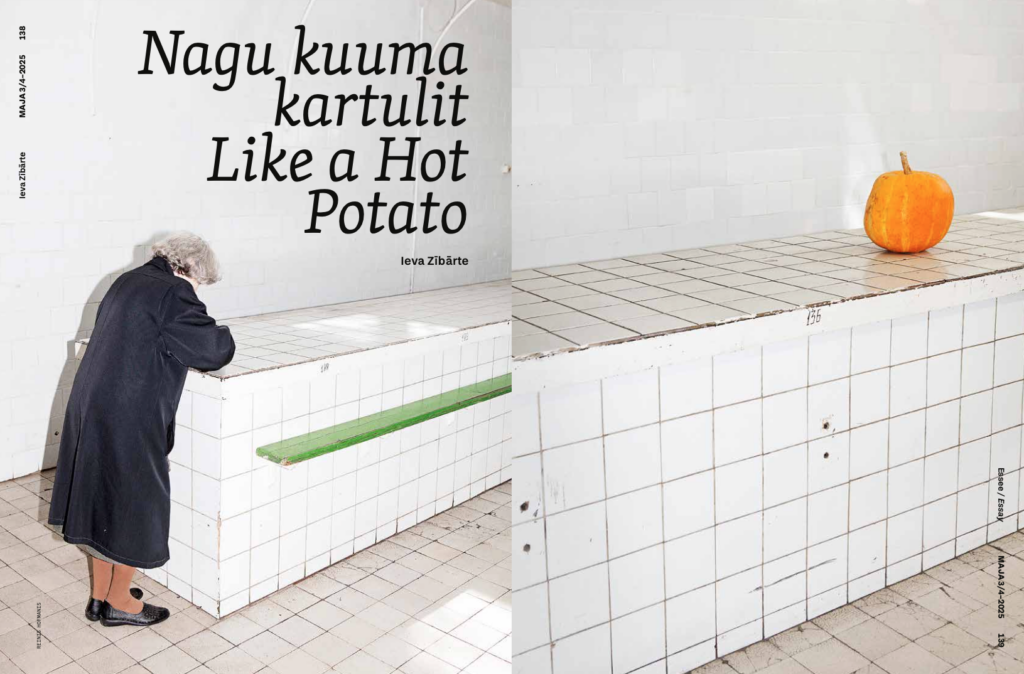
From the largest covered produce markets to scattered street stalls, Riga offers a potent architectural feast when it comes to food markets, writes Ieva Zībārte.
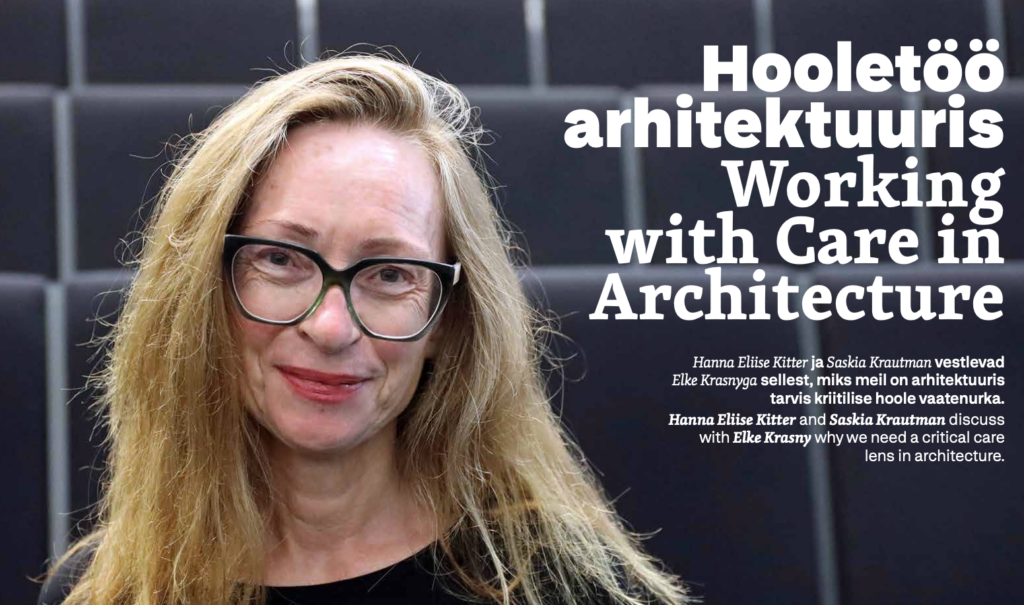
Hanna Eliise Kitter and Saskia Krautman discuss with Elke Krasny why we need a critical care lens in architecture.
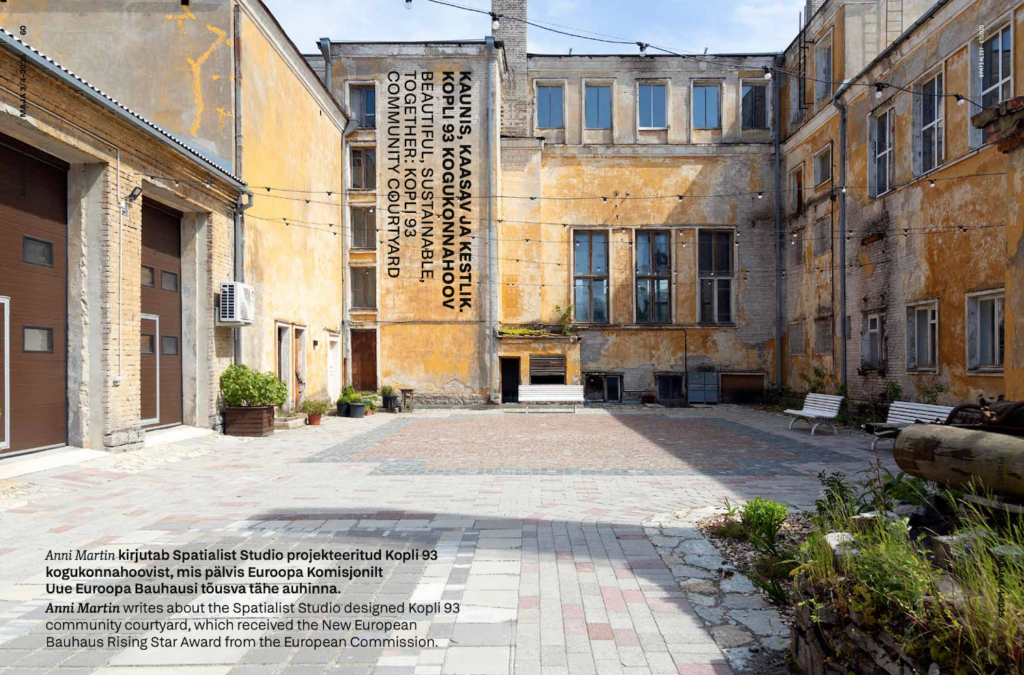
Anni Martin writes about the Spatialist Studio designed Kopli 93 community courtyard, which received the New European Bauhaus Rising Star Award from the European Commission.
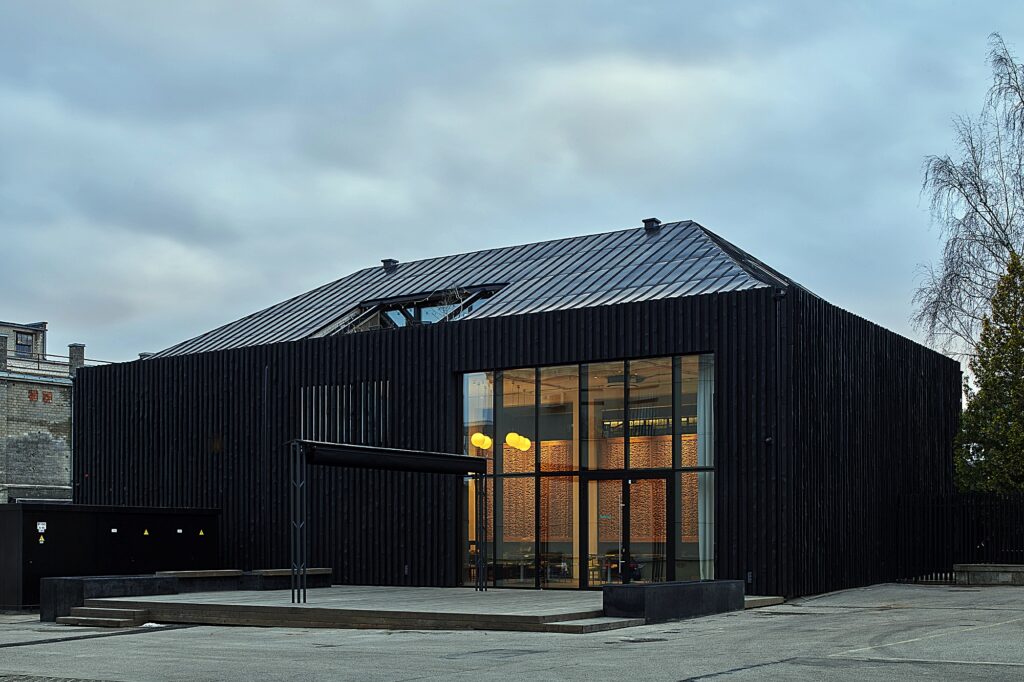
Restaurant Tummo in Vilnius is housed in an old industrial building, which has been reconstructed following the principle of material reuse.
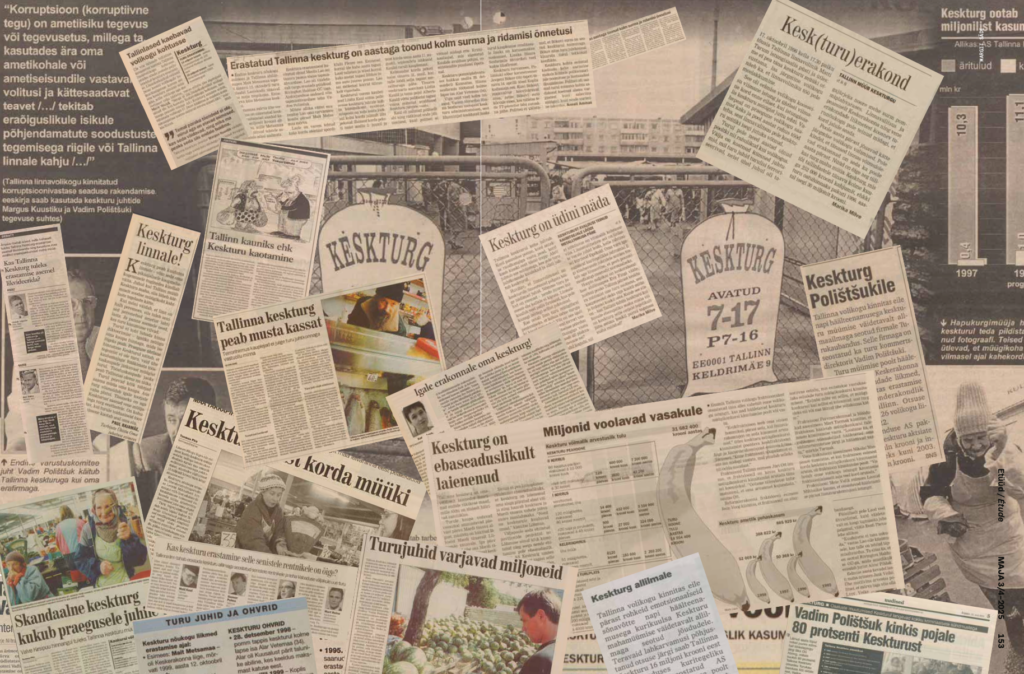
What follows is an eclectic tribute to Tallinn’s Central Market (Keskturg)—a place where the criminal and corrupt shadow of a murky past intertwines with everyday market news and daily gossip about potatoes, sugar, and coffee.
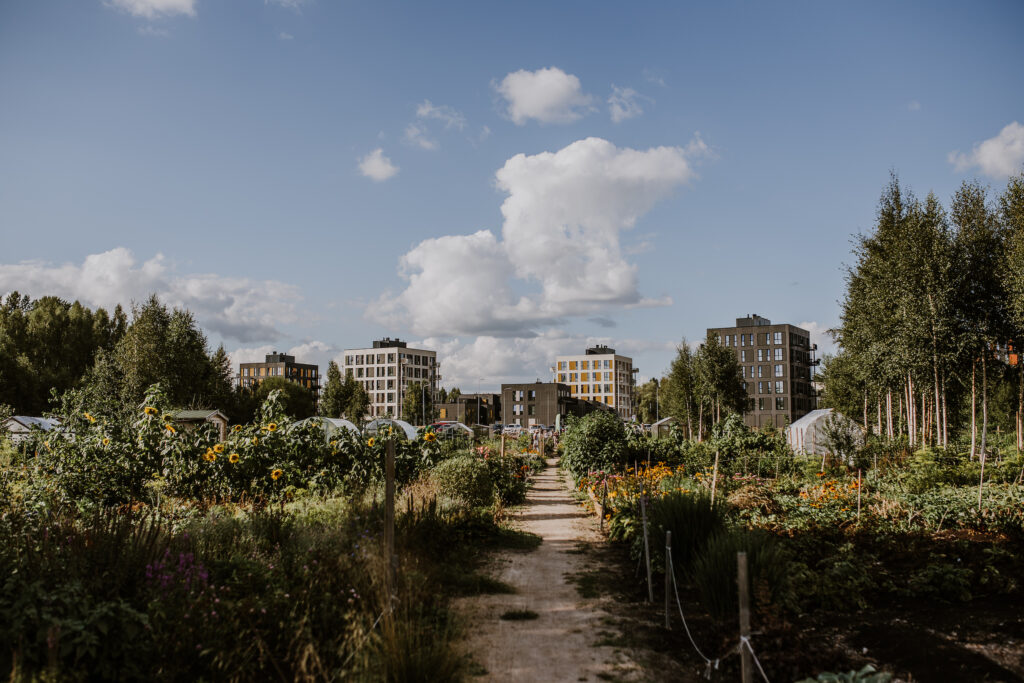
Henri Kopra, Iiris Tähti Toom, and Bianka Plüschke-Altof write about apparently modest urban gardening sites that comprise a wealth of ecological, spatial, and social infrastructure.
Postitused otsas