MEDIATION
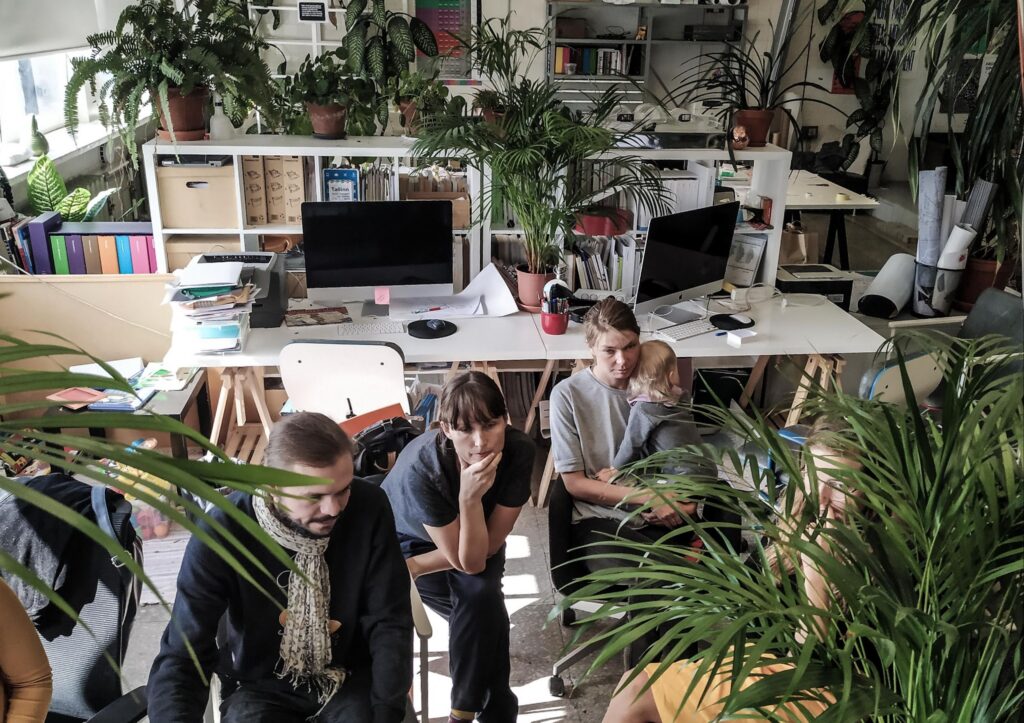
Twelve respondents—offices, architects, and collectives—describe what they take to be the result of an architect’s work. Their answers are accompanied by images of workplaces and moments in which the result is most clearly seen.
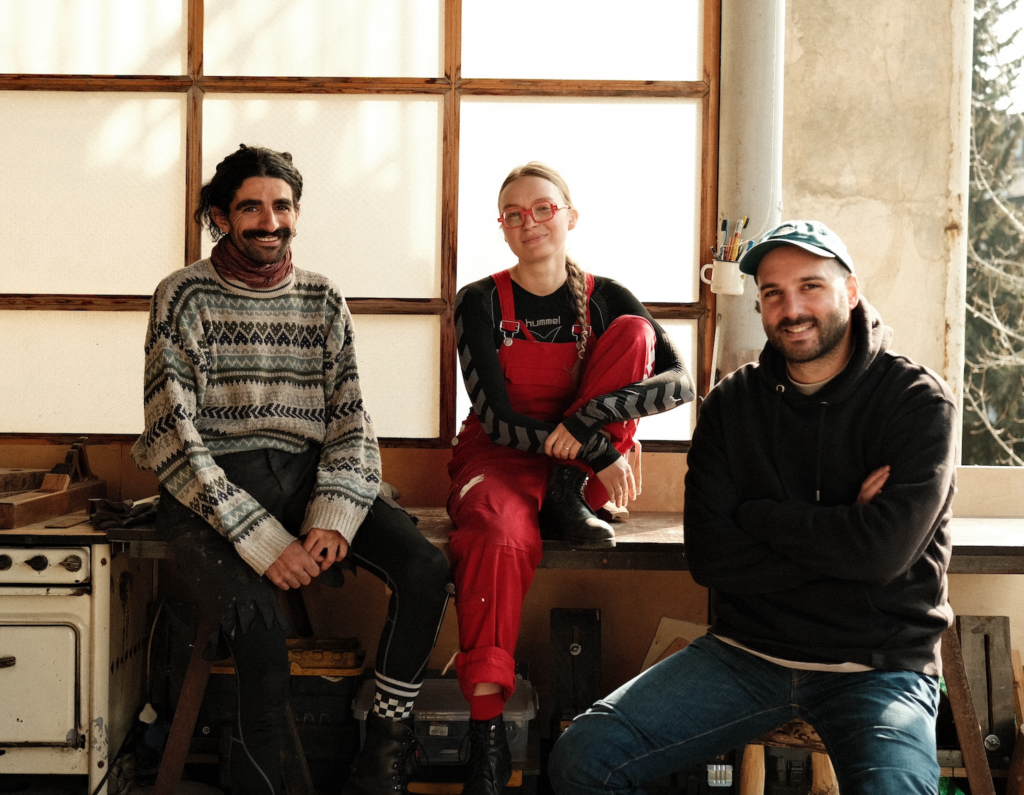
Garbage Kids is a collective of architects-turned-carpenters. The driving force behind their work is their frustration with a society that prioritises growth over sustainability and encourages overconsumption in a world with limited resources. In response, they use traditional craftsmanship and folk wisdom to create objects from found materials such as broken branches, scrap metal, and stones from abandoned quarries. Their practice strives to be intuitive, explorative, and free. Luka Abashidze, Ulla Alla, and Nika Gabiskiria share their thoughts.
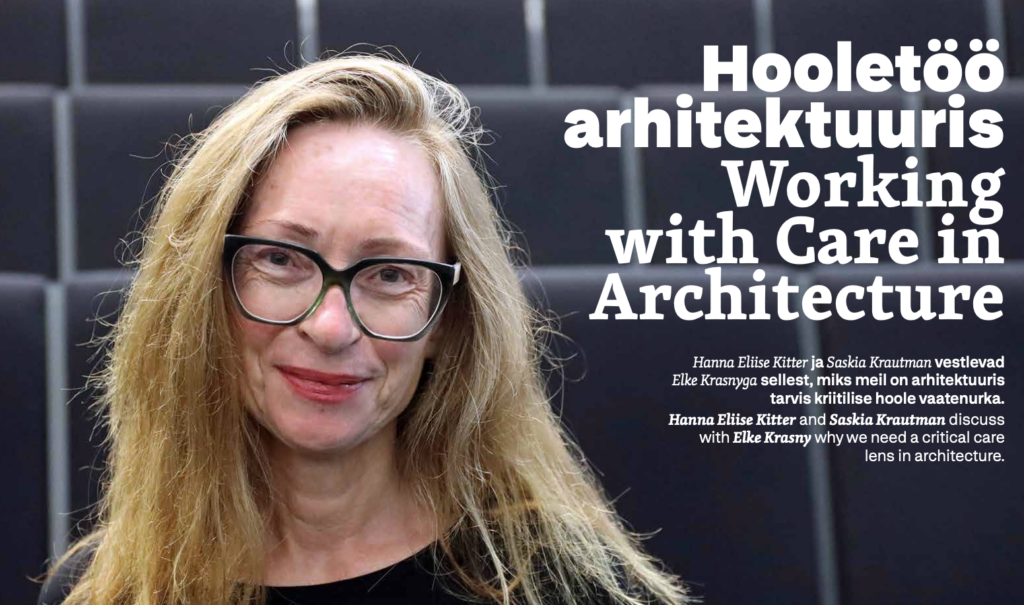
Hanna Eliise Kitter and Saskia Krautman discuss with Elke Krasny why we need a critical care lens in architecture.
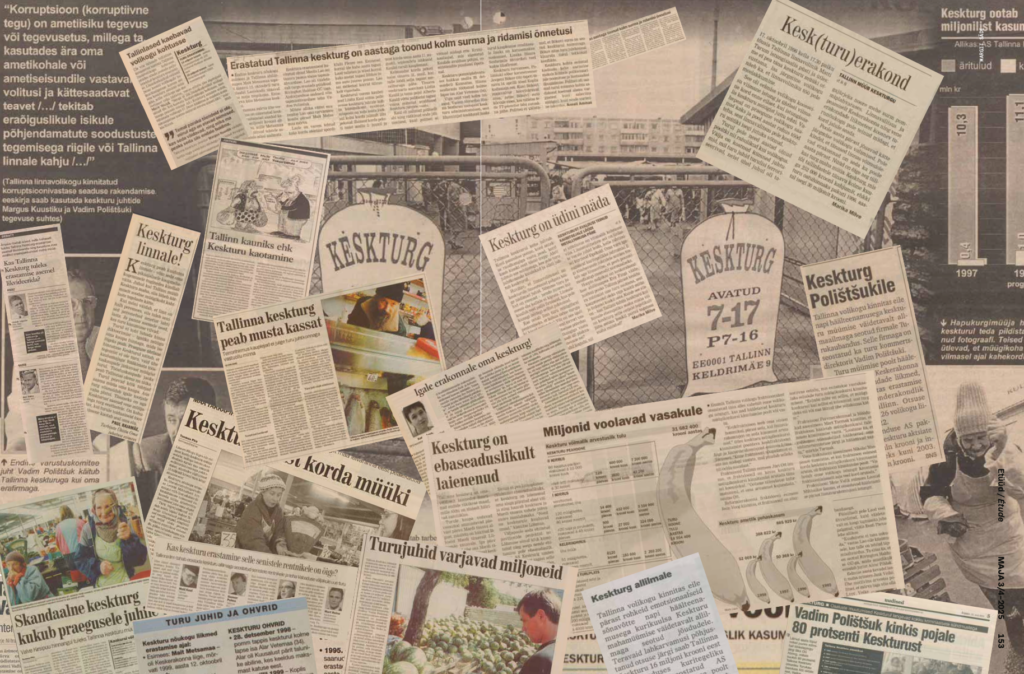
What follows is an eclectic tribute to Tallinn’s Central Market (Keskturg)—a place where the criminal and corrupt shadow of a murky past intertwines with everyday market news and daily gossip about potatoes, sugar, and coffee.
Indrek Rünkla's reflection on the nature of architectural work and the limits and paradoxes inherent in defining it.
In exchange for work, we have been promised freedom, love, and money. It is said that doing work may even make one wish to prolong that beautiful moment. Work is measured in joules, hours, and euros. Work will still be there tomorrow anyway; a work well done speaks for itself; work kills, work feeds, and, where possible, makes a man out of a monkey.
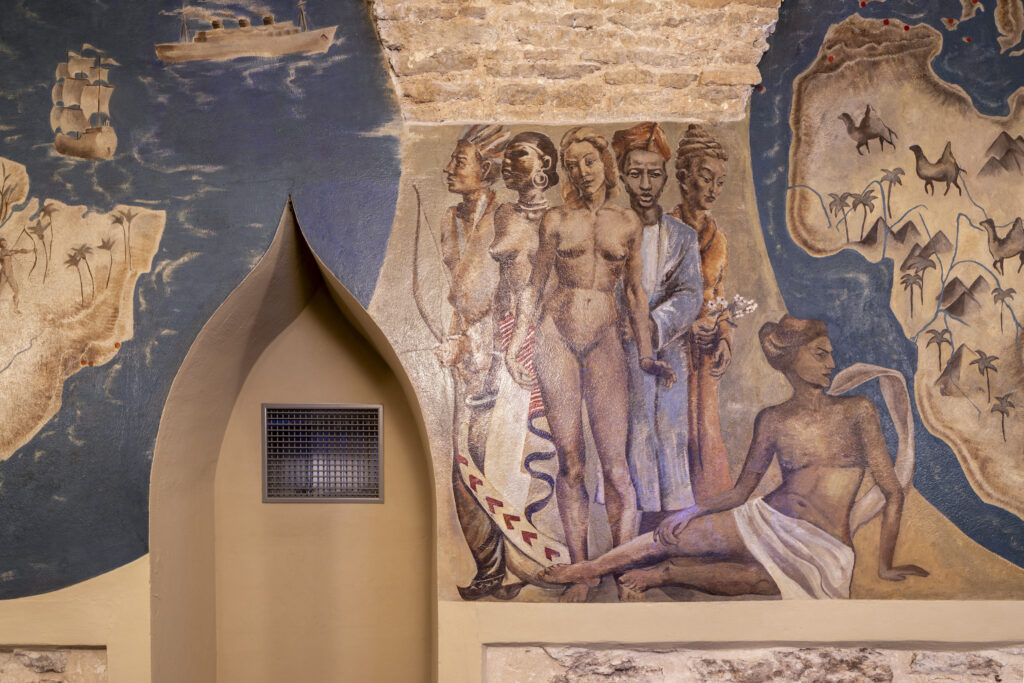
Hans Alla writes about the interesting nuances of the interior of the Knighthood House.
Postitused otsas