In exchange for work, we have been promised freedom, love, and money. It is said that doing work may even make one wish to prolong that beautiful moment. Work is measured in joules, hours, and euros. Work will still be there tomorrow anyway; a work well done speaks for itself; work kills, work feeds, and, where possible, makes a man out of a monkey.
Most people in society work to earn a living. A smaller portion sees work as self-realisation, and an even smaller one tries to avoid work altogether. Those of us who do not try to avoid it are permeated by it—we assume that we are expected to work; that we are expected to contribute a substantial amount of our time to activities that can be socially interpreted as work, or, crudely speaking, to activities for which one gets paid.
Work is not to be taken for granted. The opportunity to work has been made valuable and desirable. Jobs are given through competitions, jobs can be lost, and one can end up jobless—a regrettable and pitiable condition. One might think that the opposite of ‘jobless’ is ‘hardworking’, but that is not the case. ‘Hardworking’ was said of diligent and capable people long before the word ‘jobless’ appeared in our language. Back when the word ‘jobless’ was still unknown, there must have been other things that were regrettable and pitiable. Surely there was no shortage of them either.
Practicing architecture can be regarded as work. It has also been regarded as a creative activity, play, and sport. One does not rule out the others. Architectural work is sometimes awarded through competitions: competitions are won and lost, the winner gets the job, the loser loses and will not get the job. But we do not say in this case that the loser is left jobless.
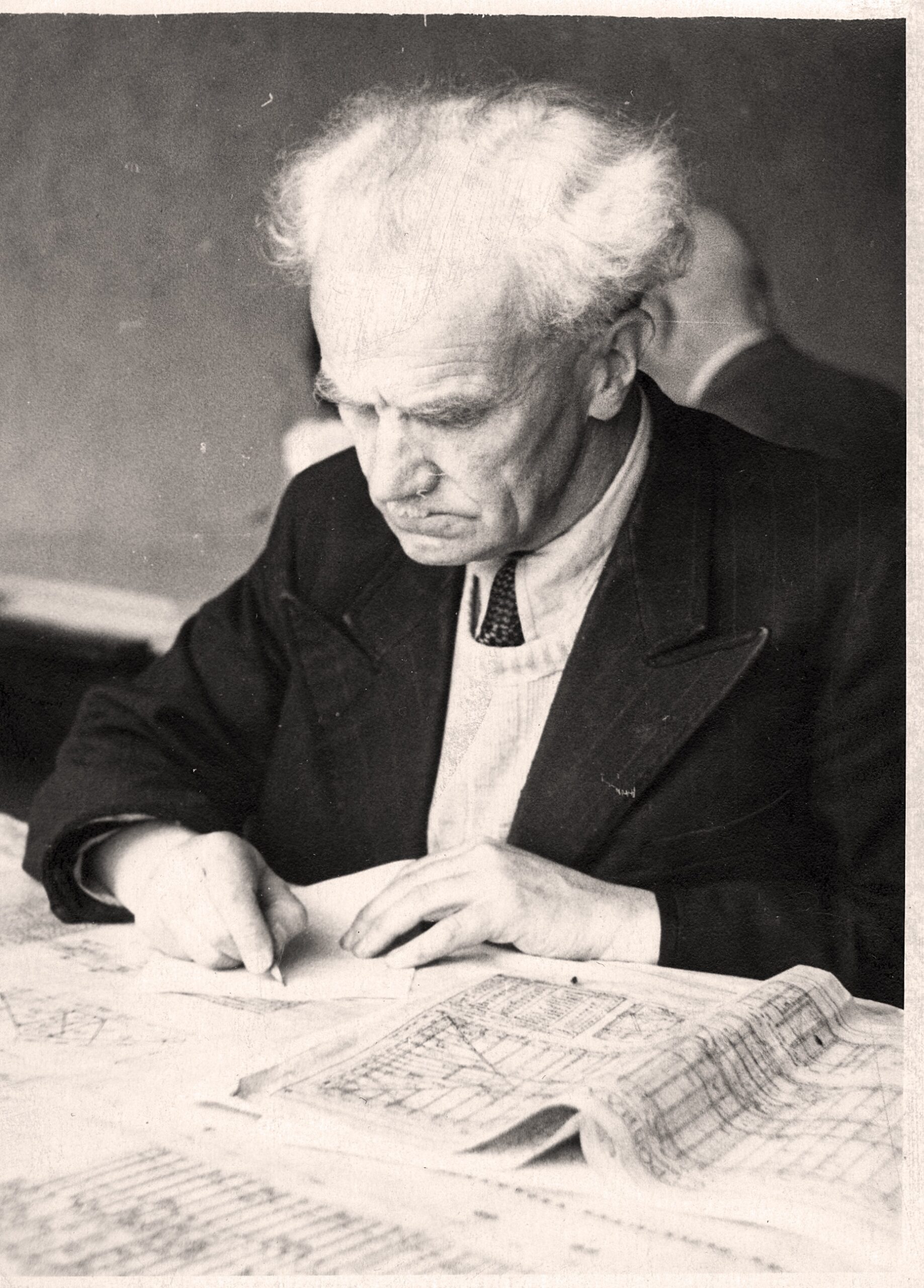
Photo: Museum of Estonian Architecture
Profession and vocation
For work to be a prize worth competing for, there must be rules by which applicants are judged. To prevent a situation where everyone goes after every kind of work, making competitions overly bloated and complex, we divide different kinds of work into groups and call these groups ‘professions’. A person is allowed to practice a profession based on certain prerequisites. In the past, these prerequisites have been maintained and applied in different ways. Previously, one became a professional through education and/or work experience; in other times, birthright was enough; there have also been societies where entry into a field was not regulated in any way. Today, we have developed a system of professional standards. Based on these standards, an authorised body issues professional certificates, which help in separating the wheat from the chaff on the labour market. And yet, even today, one can work as an architect without education or certification. In fact, I know some good architects who lack these requisites.
For work to be a prize worth competing for, there must be rules by which applicants are judged.
A profession is most generally defined based on activities, knowledge, and skills. In competing for a job, the prize is the activity, while people compete on their level of knowledge and skills. The metrics for knowledge and skills are set out in professional standards. Currently, there are standards for 529 professions listed on the Qualifications Authority’s website, eleven of which have to do with architecture in some capacity, including the professions of interior architect and landscape architect.
The system of qualification levels has been harmonised across Europe for architects, assistant pyrotechnicians, and dental hygienists alike, and this uniformity is reflected in the qualification framework annex to the Professions Act. However, it must be noted that each country still sets its own professional standards (for now), as professions differ slightly in each society, and these differences can still be preserved within a union of states.
In this world striated by regulations, the individual is reduced to a data unit. The best option for both you and me is to fit into one box or another. Those who can fit into several boxes at once are said to be especially dynamic—when work in one box runs out, they move over to another.
Each box thus contains certain activities, skills, and knowledge. I qualify for a box by convincing some evaluator that I have the skills and knowledge appropriate for that particular box. I have often wondered how the boundaries of these boxes are drawn, how skills and knowledge are distributed among them, and how it all seems so rigid. All these professions have emerged and evolved in their own particular ways, but the system of professional qualifications tries to put an end to this flux, declaring that we are now complete as a society—might as well give the Old Man of Ülemiste a call.1
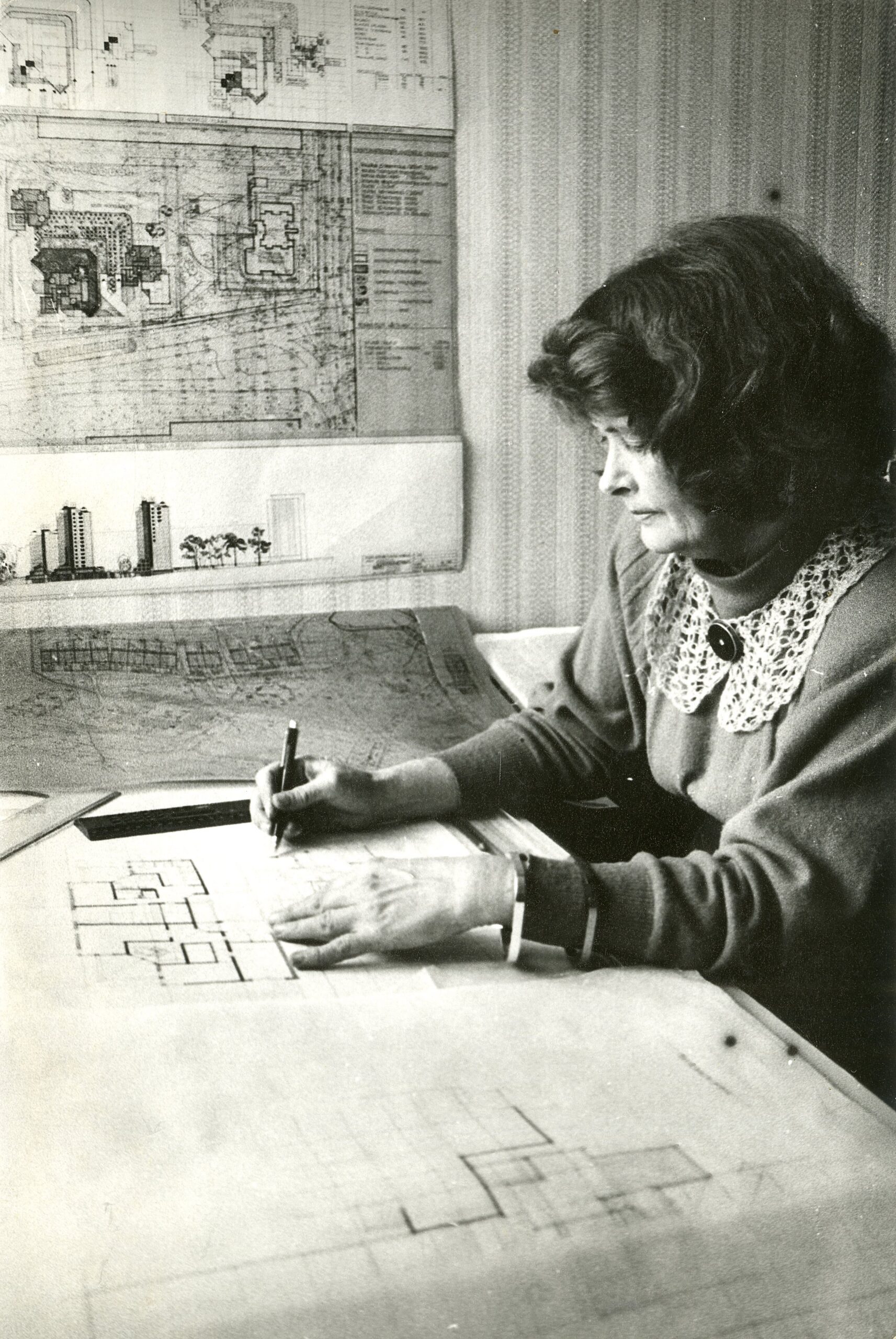
Photo: Museum of Estonian Architecture
The system of professional qualifications tries to put an end to the flux, declaring that we are now complete as a society.
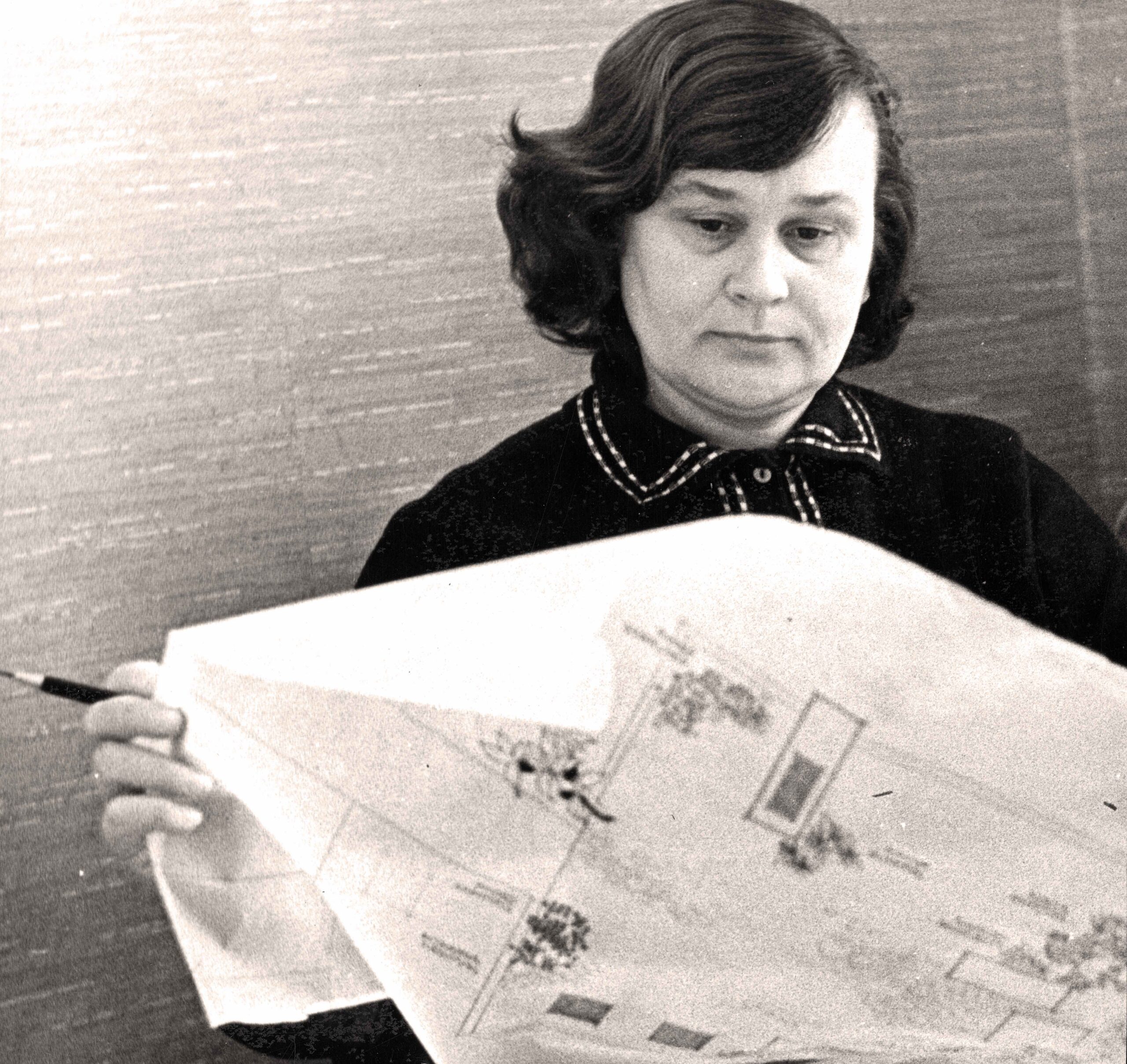
Photos: Museum of Estonian Architecture
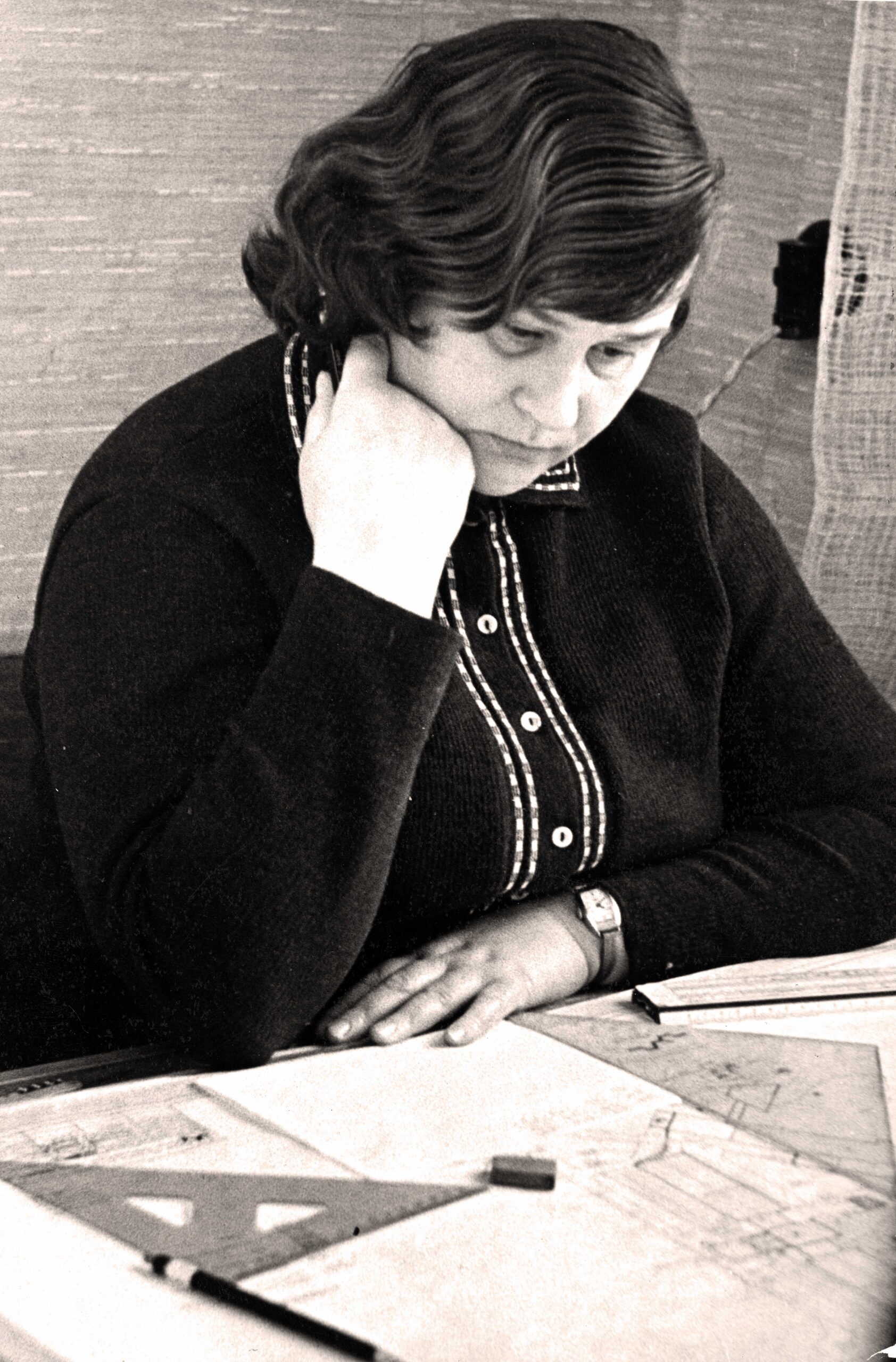
The boxology of architects
The professional qualification of an architect is granted in three stages. A Level 7 Chartered Architect is basically a fully qualified architect whose independent work in the field is not restricted by the type, size, or importance of the designed buildings. The list of competencies is long, ranging from general skills such as thinking, self-management, and communication, to all stages of planning and design and the corresponding roles that an architect might take. A Level 7 Certified Architect is a slightly trimmed version of that, while a Level 8 Chartered/Principal Architect is like a Level 7 specialist elevated to nobility—no new rights or duties are added, but the title sounds grand.
These professional standards have been laid down and adjusted with a sense of dignity and unshakable seriousness. In Estonia, the current Level 7 Chartered Architect standard is version number nine. The description has become more precise, occasionally clearer, yet it still aligns with my own professional work and skills only partially.
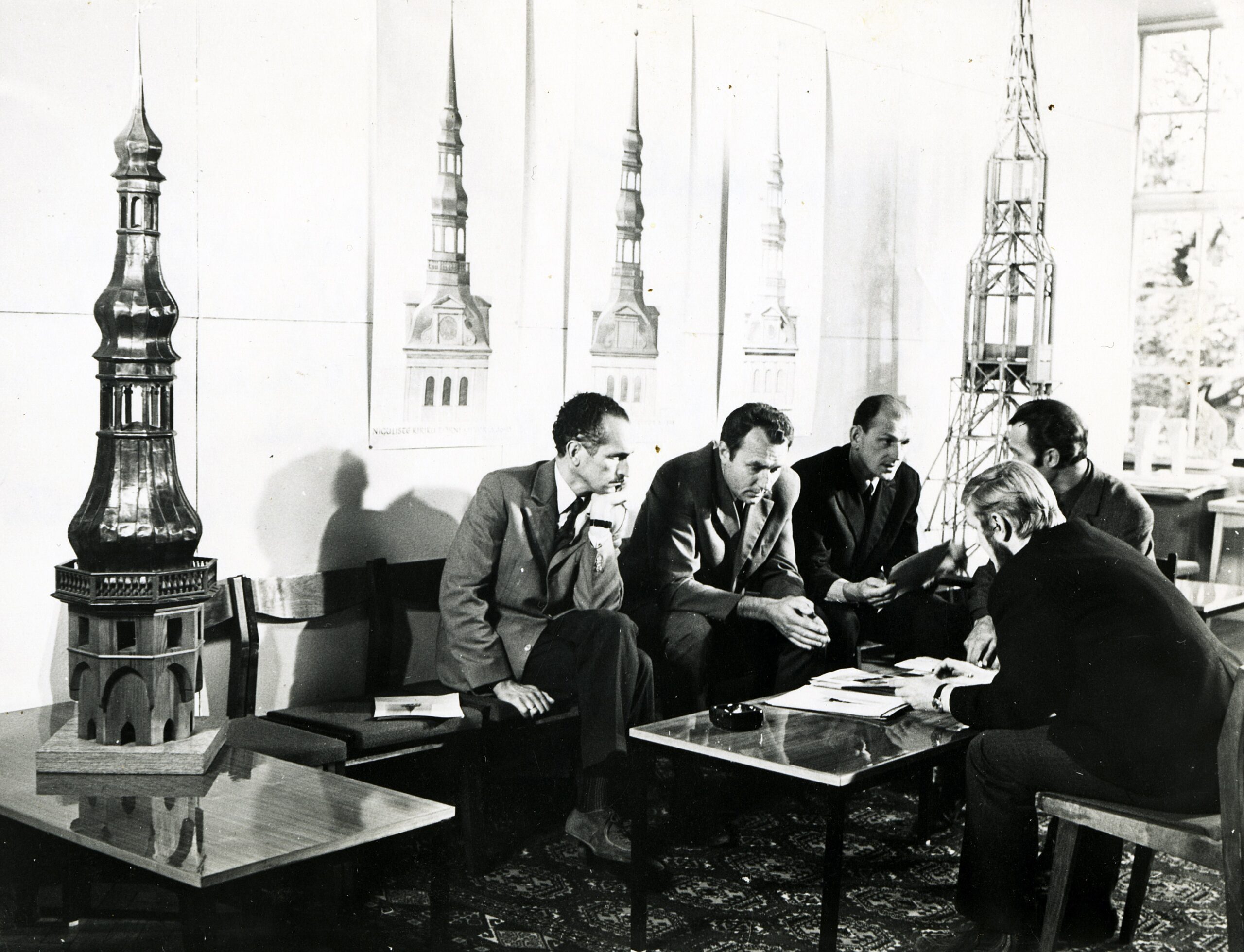
Photo: Museum of Estonian Architecture
A human being is a relatively small bag that can hold only a certain amount of skills and knowledge. Acquiring skills takes time, of which we mortals have only a limited supply. As we are acquiring a certain skill, others fade into the background. If we do not use an acquired skill for a long time, we lose our proficiency. To practice a profession, it is at least rhetorically expected that one’s skills are of a very high level. Reading the qualification framework of the Professions Act, I find that the description of Level 3 is the best fit with my own idea of my capacities. I qualify for Level 3 if I have ‘basic cognitive and practical skills required to use relevant information in order to carry out tasks and to solve routine problems using simple rules and tools’.2 Unfortunately, a Level 3 architect qualification does not exist. Beyond that, the descriptions of levels get increasingly puffed-up, and the Level 8 qualification is already outright fizzling: ‘the most advanced and specialised skills and techniques, including synthesis and evaluation, required to solve critical problems in research and/or innovation and to extend and redefine existing knowledge or professional practice’.3 Impressive. And so every morning you return to work on that apartment building—bedrooms, living rooms, stairwells, bathrooms, plinth, cornice, balcony glazing—applying your highly advanced skills and techniques.
Of course, some skills and techniques do develop in great strides while solving that very cornice detail. Then again, the Level 7 Chartered Architect’s standard lists 16 general skills and 9 extended work units,4 all requiring a host of specialised skills. Can and should one person really master all that, and how? I suppose the correct answer is: no, they should not, and they really cannot. To receive a professional certificate, our work, knowledge, and skills are assessed by a committee of fellow architects who know firsthand what a human being can and cannot do. In other words, every evaluation passes through the prism of real people and adjusts to real life.
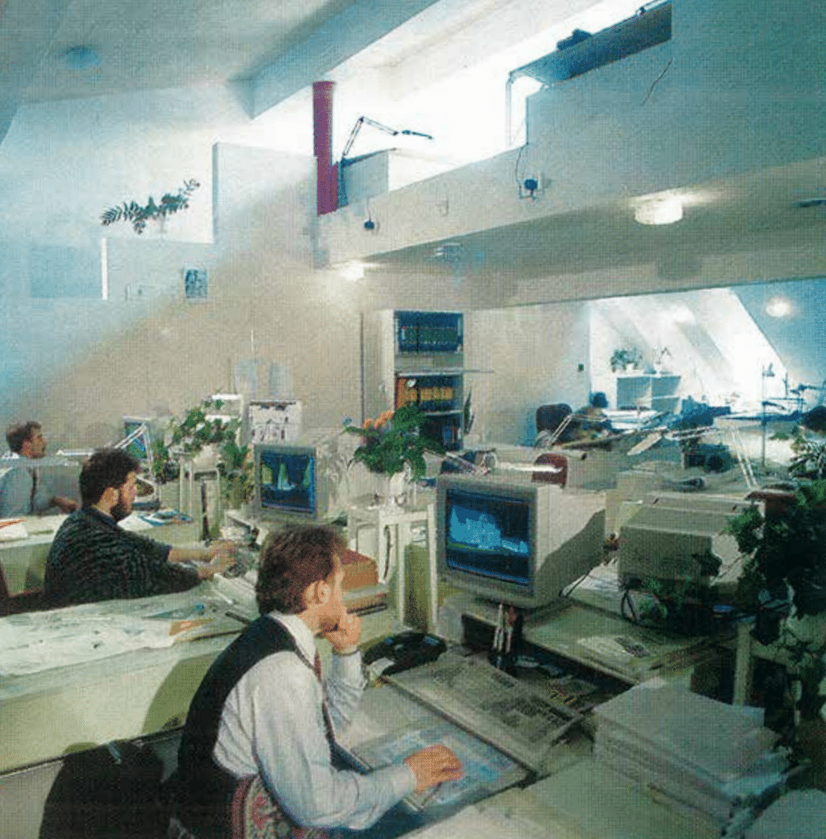
Photo: Kalle Rõõmus, AS Solness
The palette of architects’ professional standards describes simply a one-time image of an architect.
Inconsistencies
I have noted before that confusing a thing with its description is one of the great errors of our word-centric culture. Once we have a description of a thing, we begin to trust it more than we trust the thing itself or our personal sense of it. If I call myself an architect, and there exists a professional standard for what an architect is, then in a better world, my competence as an architect would match that standard; in an even better world, my skills and knowledge would exceed what is described in the standard. In reality, though, my self-image and the professional standard overlap only partially; far greater than the overlap is a kind of grey area where things are not that unambiguous and clear. I personally do not consider this a problem or think that society loses anything by calling me an architect—neither in practical, work-related matters nor in general credibility.
As a society, we might ask: why do we keep generating and amplifying this dissonance between description and reality? It begins already in school, where every performance is always lacking something. Even every overachieving whizz-kid must feel that they are not really sufficient, that the world expects more, and that their sense of inadequacy is their own personal fault, their own burden. On one hand, this is probably supposed to motivate the small person to be even better, to strive harder, to give their all and then some. On the other hand, this constant dissonance creates inner tension and anxiety.
Stress and social anger are treated as something personal—anger is within a person, and dealing with it is their own problem. Let us realise that this is a mistake. Social anger is a reaction to a societal contradiction, the one reproduced by the very perfections we are forced to mirror, always destined to lose.
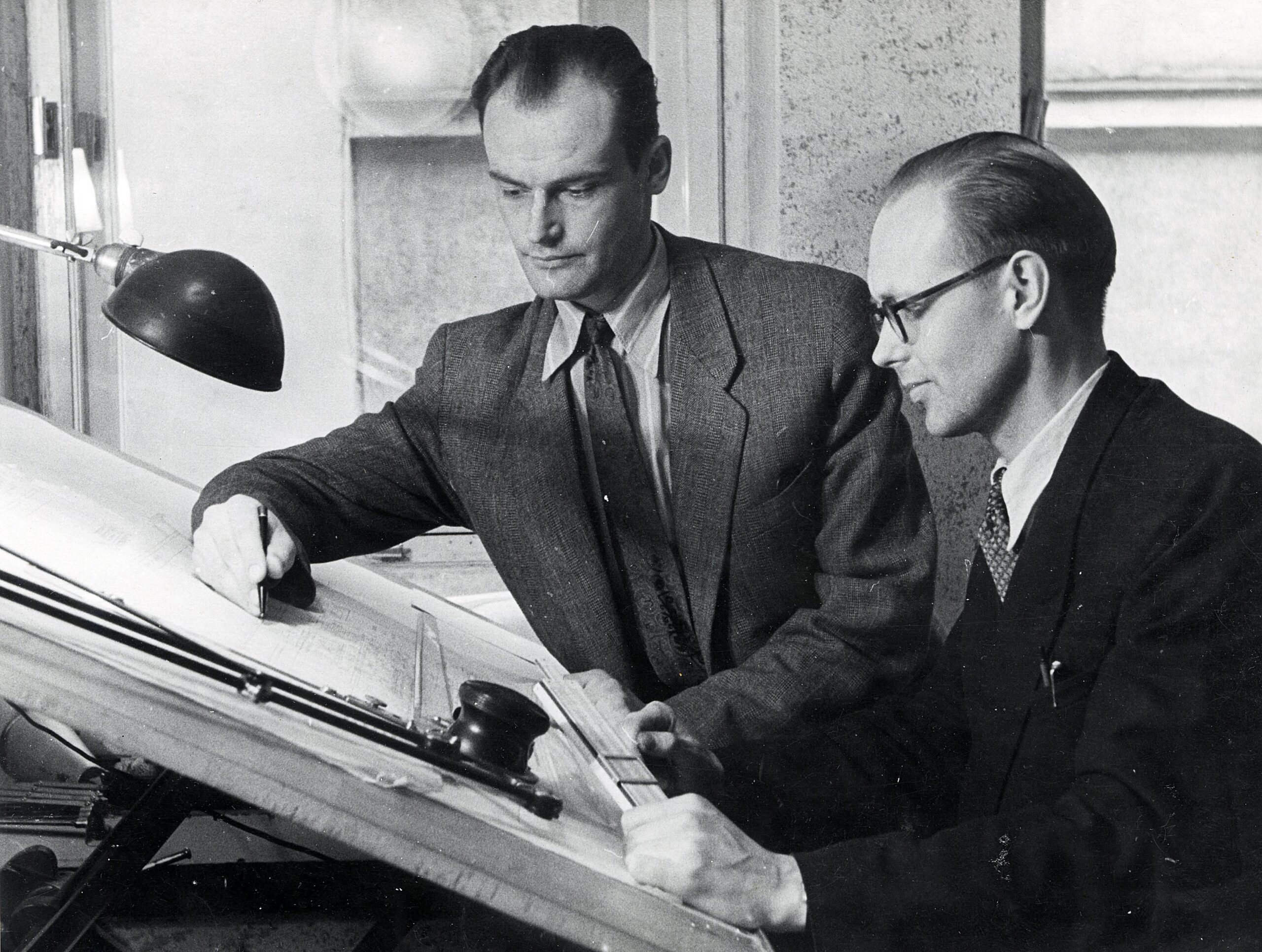
Photo: Museum of Estonian Architecture
It helps if we see this matrix-apparatus as a parasite feeding on life. The risk for any ossifying bureaucracy is that life simply rolls over and past it. The palette of architects’ professional standards likewise describes simply a one-time image of an architect. There have been cases where a qualification committee, for formal reasons, refuses to certify a practitioner who, in the next moment, is shaping the very future of the practice. The world changes and the deck of cards gets reshuffled. Skills are redistributed among people in a new way; professional boundaries begin to drift. Individual human beings with their particular skills and knowledge are always ahead of the matrix. In fact, it is the matrix’s job to catch up with the changing world, not the other way around. It is the standard that should feel stress when the practice no longer fits its prescribed borders.
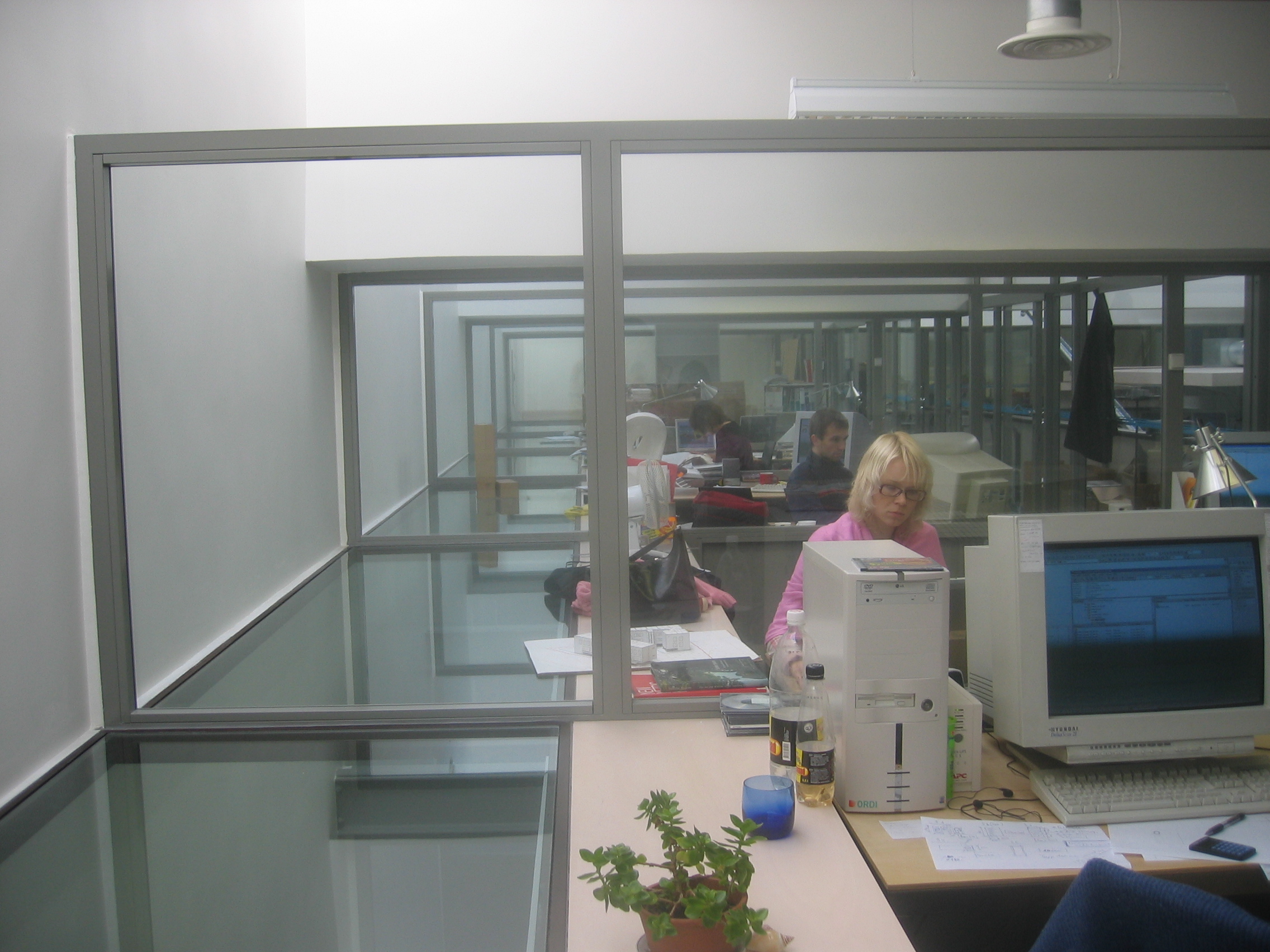
Photos: Janek Maat
At the edges of the profession
The architect’s profession also has a periphery where being an architect becomes dubious. A simple example is running your own office. The larger the office, the more it demands management, delegation, client relations, and other sorts of dealings that by no means can be called architecture—even though the professional standard regards all these things as important professional skills. When an architect who founded a now-large office looks at their daily activities in a moment of clarity or confusion, they may realise that they have ceased to be an architect. An architect might also turn into a designer, politician, project manager, site manager, lecturer, or bureaucrat. An architect with good modelling skills working in a large office may be stuck with modelling context buildings for competition entries.
One can also turn into an architect. A project manager in a real estate firm may spend such a long time writing the rules for apartment design that they eventually realise they can do the best design themselves. A politician may turn into a cycling infrastructure specialist; a structural engineer may start designing summer houses for friends.
At the edges and transition zones of the professional boxes, one can deliberate over whether to remain an architect or not. If one carries along the distinctive ways of thinking and the operating logic from the architectural profession, one can work daily on things only loosely related to space-making and still maintain the self-image of an architect. In a changing world, the keys to survival might lie at the edges, under sharp stones. Artificial intelligence or wartime economy may well roll over our civilian conventions so that even archaeologists will afterwards struggle to make sense of the old distinctions.
These ways of becoming and begoing an architect reveal just as much about the nature of the work and the profession as the professional qualification system. Each individual’s work may well fall between the boxes, and that bread may last longer and be tastier than the one offered inside the box.
Do not blindly believe any descriptions. It is a good sign if something is bubbling under the surface.
INDREK RÜNKLA is a hardworking Estonian architect.
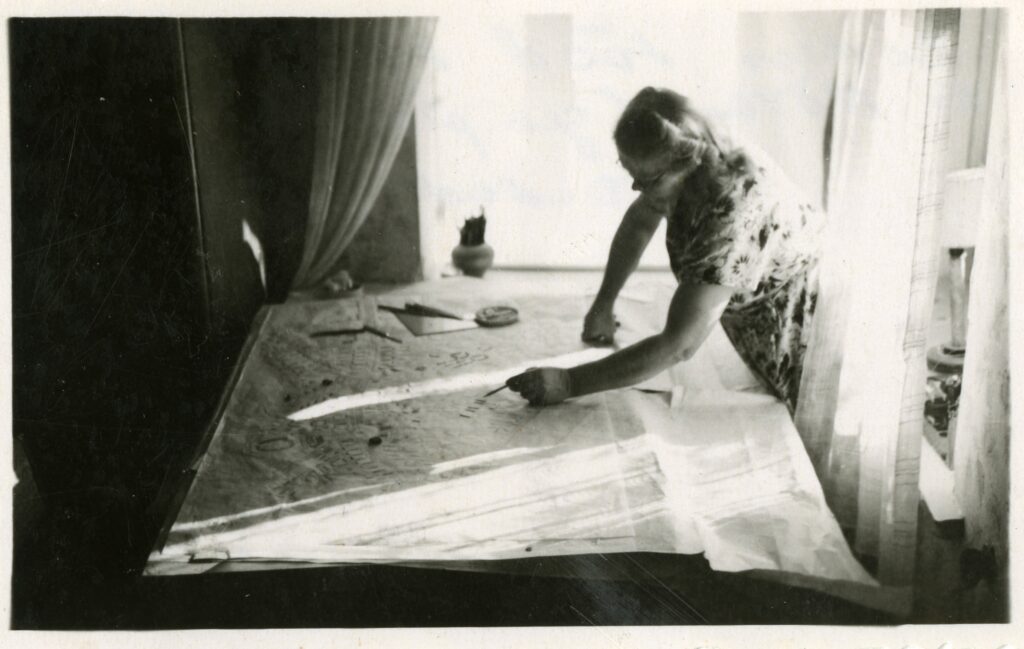
HEADER: Architect Erika Nõva drafting at home. Photo: Museum of Estonian Architecture
PUBLISHED: MAJA 3/4-2025 (121-122) with main topic TÖÖ JA TOIT
1 The Old Man of Ülemiste is a legendary figure in Estonian folklore said to live in Lake Ülemiste near Tallinn, waiting to flood the city if anyone tells him that it has finally been completed, which is why it must keep growing indefinitely.—Trans.
2 Professions Act, Annex 1, ‘Qualifications framework’, https://www.riigiteataja.ee/tolkelisa/5251/1201/3007/annex.pdf
3 Ibid.
4 Qualifications Register, ‘Occupational Qualification Standards: Chartered Architect, EstQF Level 7’, https://www.kutseregister.ee/ctrl/en/Standardid/vaata/11338619.