SPATIAL DESIGN

Twelve respondents—offices, architects, and collectives—describe what they take to be the result of an architect’s work. Their answers are accompanied by images of workplaces and moments in which the result is most clearly seen.
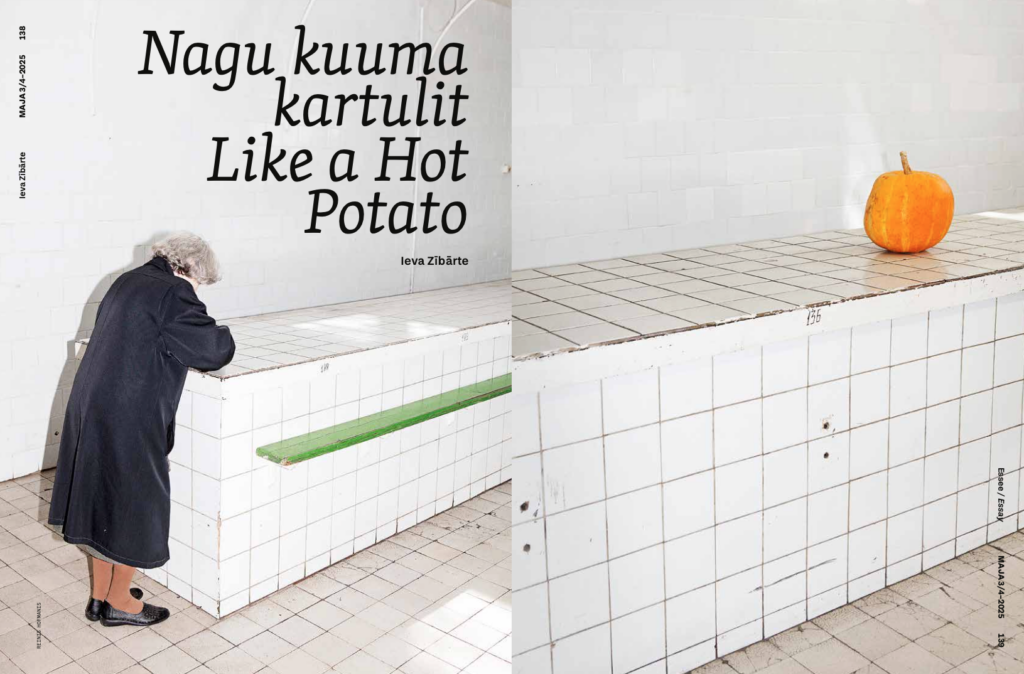
From the largest covered produce markets to scattered street stalls, Riga offers a potent architectural feast when it comes to food markets, writes Ieva Zībārte.
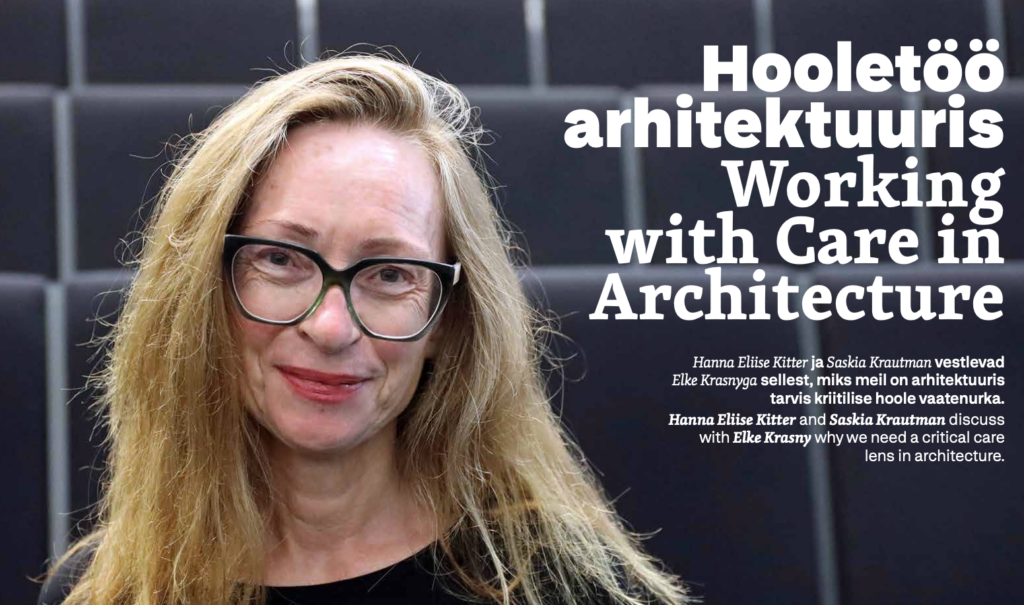
Hanna Eliise Kitter and Saskia Krautman discuss with Elke Krasny why we need a critical care lens in architecture.
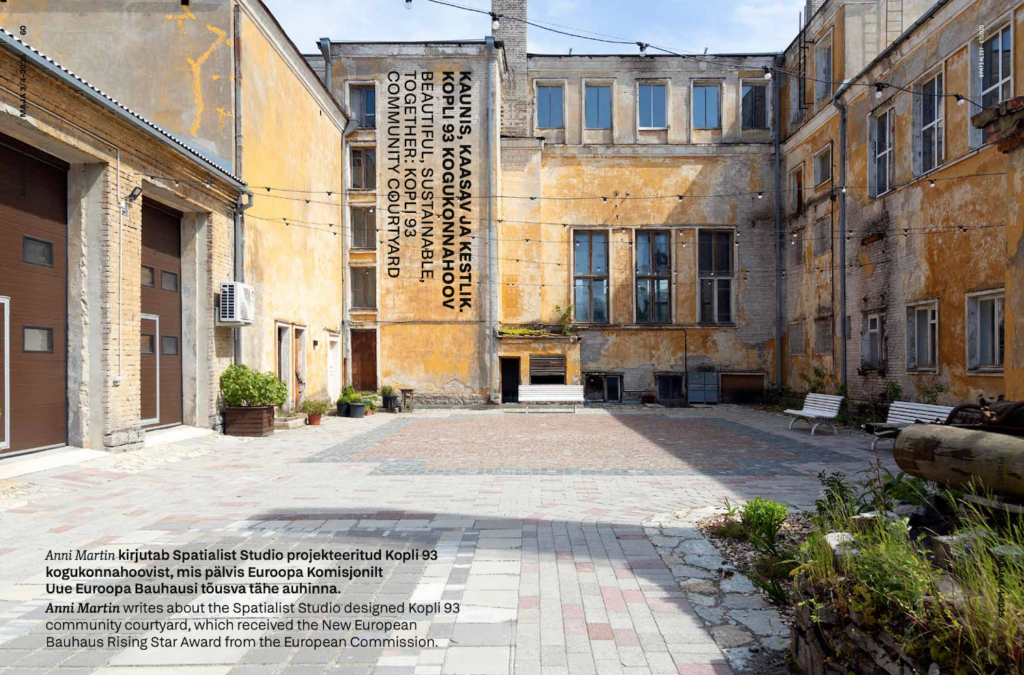
Anni Martin writes about the Spatialist Studio designed Kopli 93 community courtyard, which received the New European Bauhaus Rising Star Award from the European Commission.
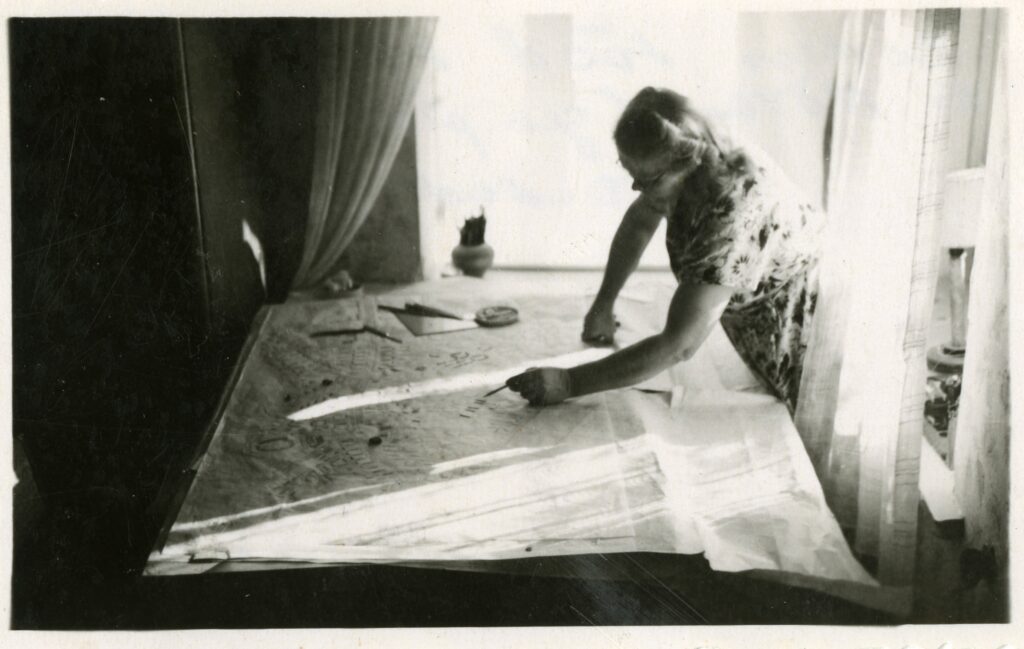
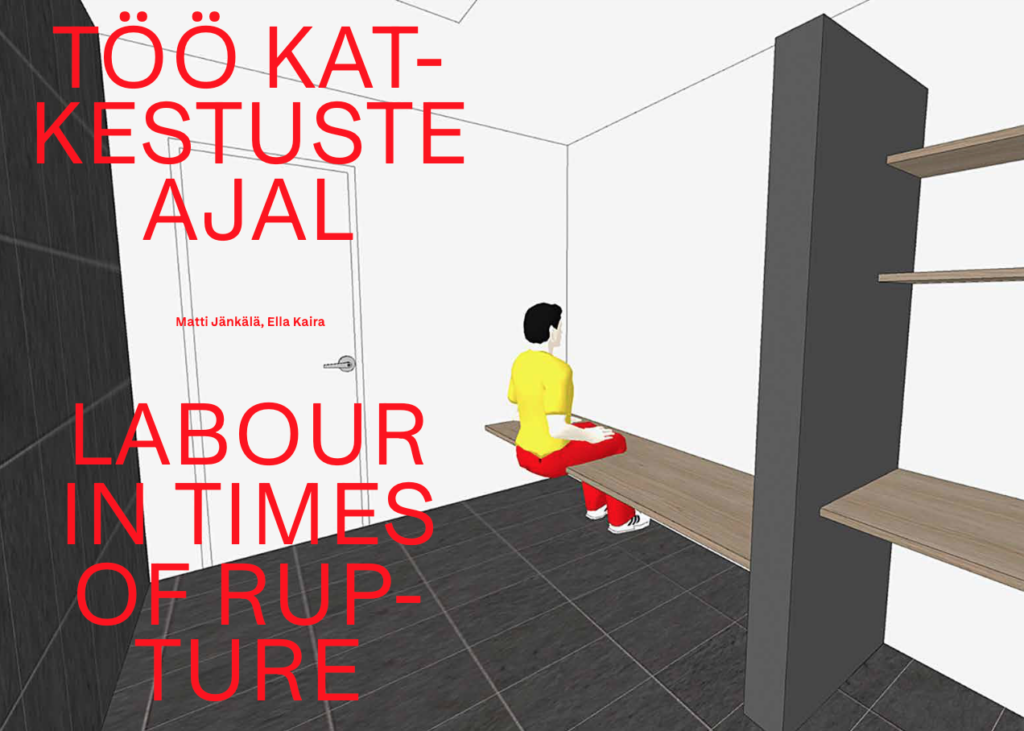
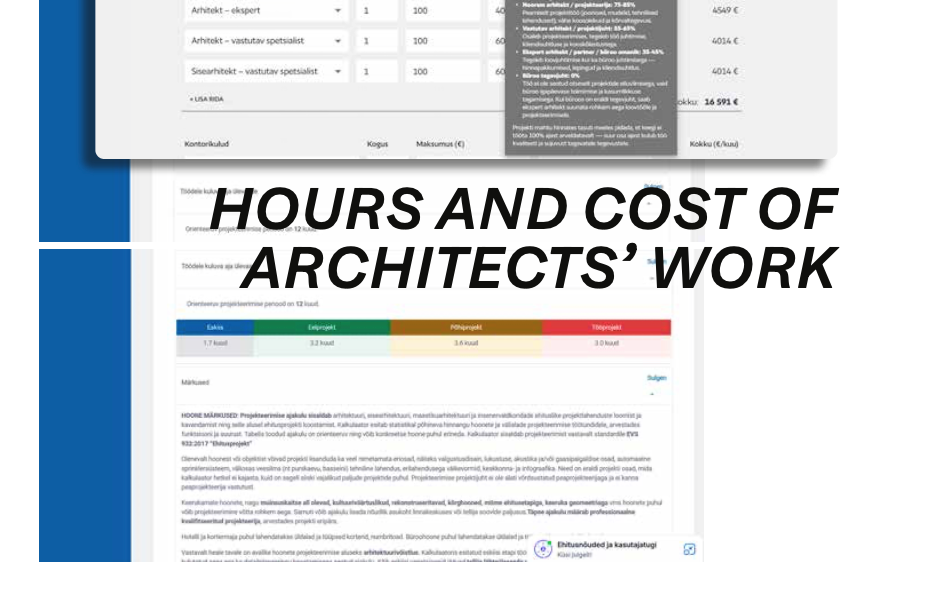
Indrek Rünkla's reflection on the nature of architectural work and the limits and paradoxes inherent in defining it. In exchange for work, we have been promised freedom, love, and money. It is said that doing work may even make one wish to prolong that beautiful moment. Work is measured in joules, hours, and euros. Work will still be there tomorrow anyway; a work well done speaks for itself; work kills, work feeds, and, where possible, makes a man out of a monkey.
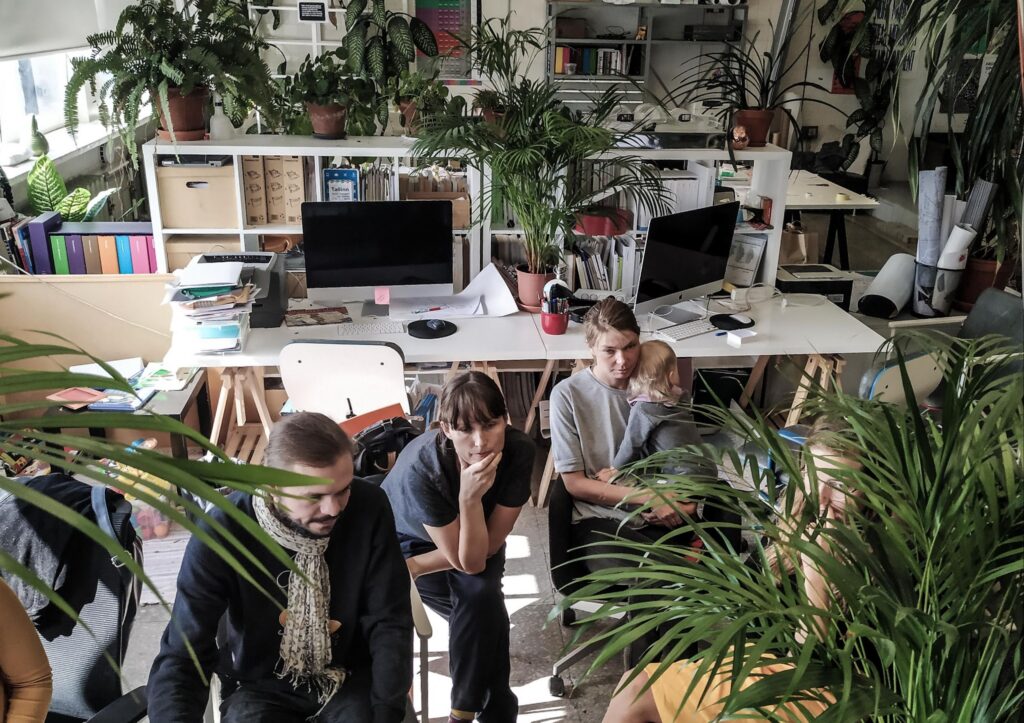
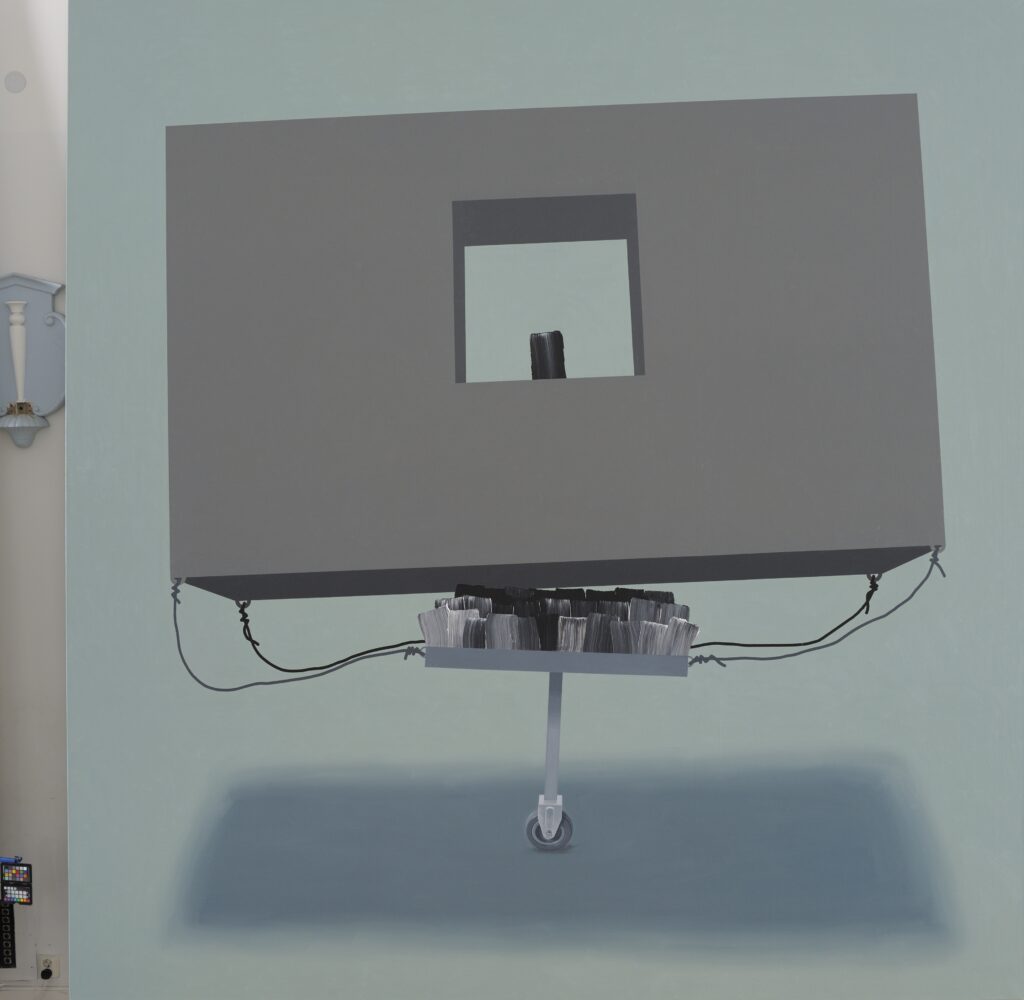
Madli Kaljuste invited Mari Rass, Ülo-Tarmo Stöör and Mihkel Tüür to discuss architects’ labour.
Laura Linsi talks to Keiti Lige, Elina Liiva, and Helena Männa to discuss whether the cornerstone in the renovation marathon is the concrete panel—or whether it is strong human relationships instead.
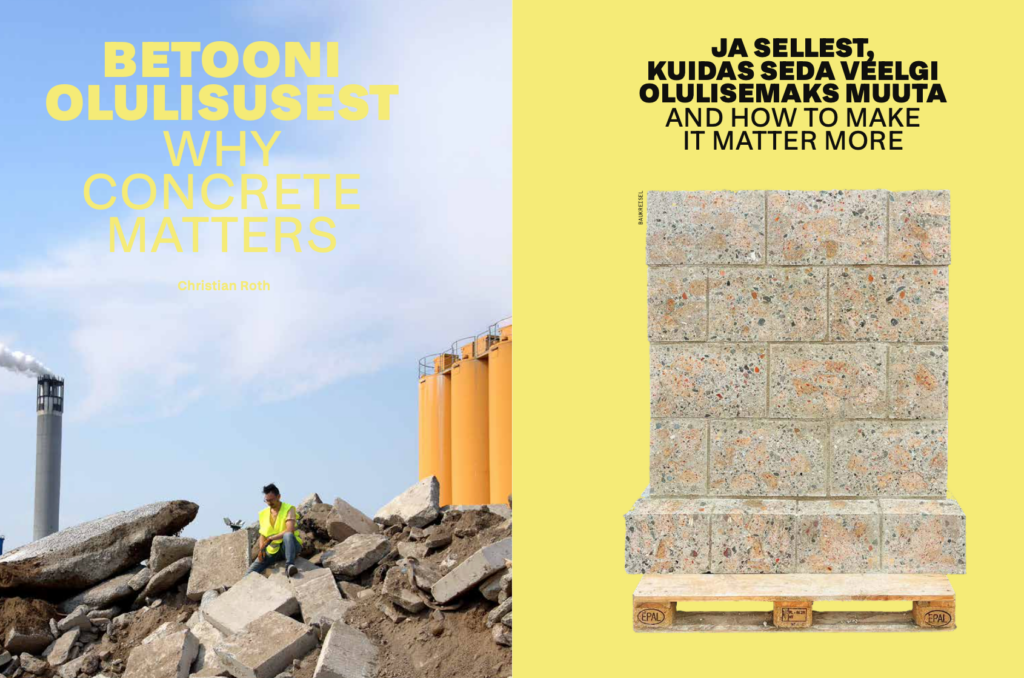
Understanding concrete today requires more than appreciating its technical performance, writes Christian Roth from Baukreisel. It also means confronting its ecological and economic downsides. With the project concrete.matters, for which Baukreisel received the Experimental Fellowship at Bauhaus Earth, they focus on scalable practices of concrete reuse in architecture.
Postitused otsas