Twelve respondents—offices, architects, and collectives—describe what they take to be the result of an architect’s work. Their answers are accompanied by images of workplaces and moments in which the result is most clearly seen.
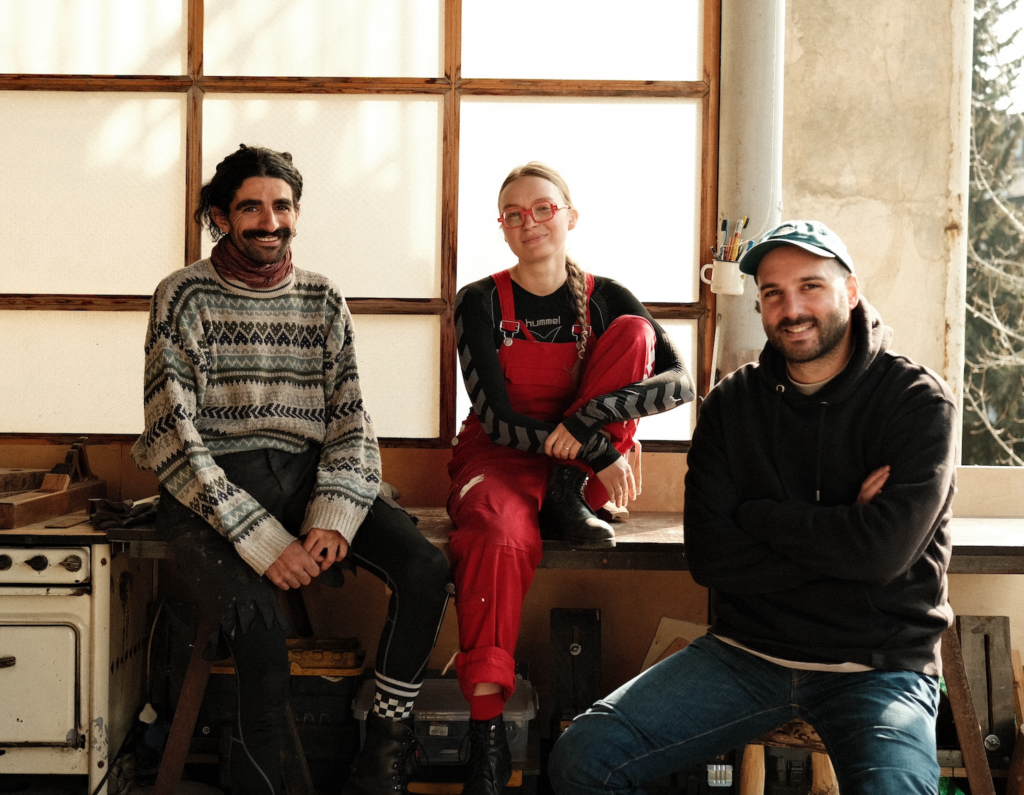
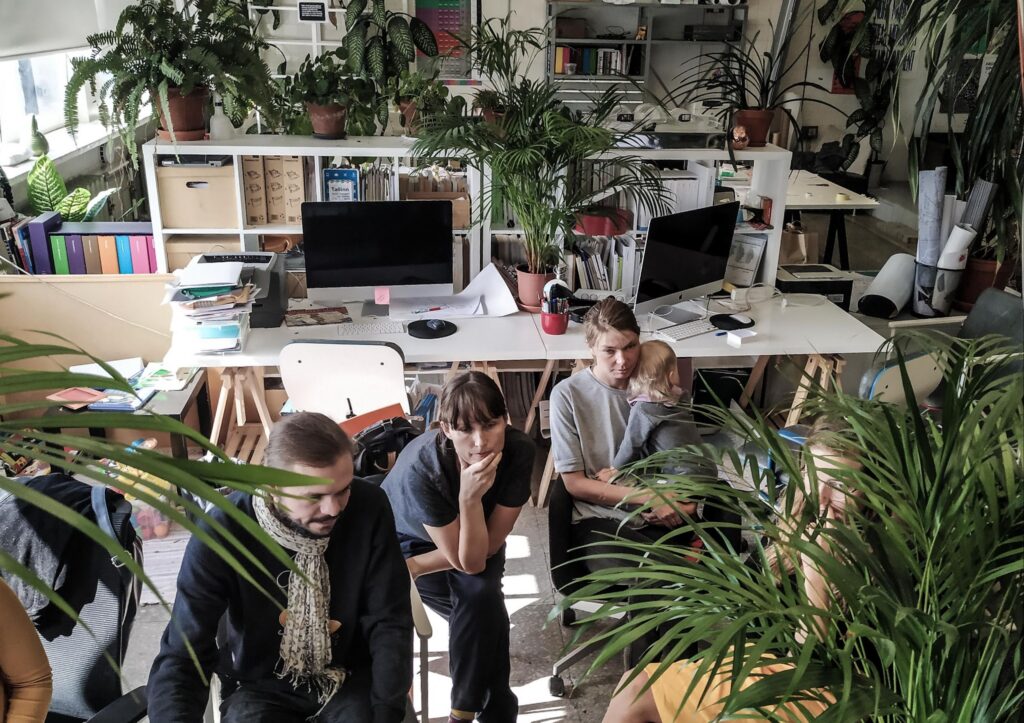
Garbage Kids is a collective of architects-turned-carpenters. The driving force behind their work is their frustration with a society that prioritises growth over sustainability and encourages overconsumption in a world with limited resources. In response, they use traditional craftsmanship and folk wisdom to create objects from found materials such as broken branches, scrap metal, and stones from abandoned quarries. Their practice strives to be intuitive, explorative, and free. Luka Abashidze, Ulla Alla, and Nika Gabiskiria share their thoughts.
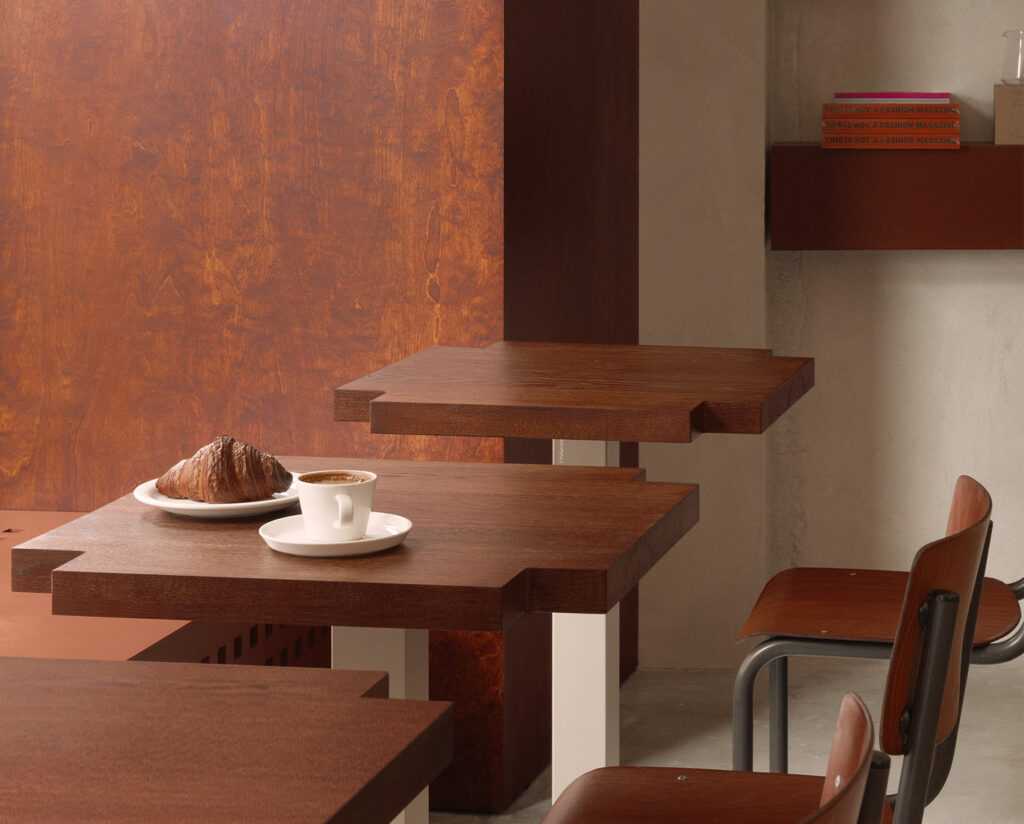
One spot offering coffee, pastries, and tables to sit at has set up shop on Pärnu Road, between a New Age shop and Reval Café. It is situated on the commercial floor of a six-story residential building designed in 1937 by architect Boris Chernov. Entering through a modestly recessed door- way, I find a simple, three-toned interior: grey, walnut brown, and Isabella white. Concrete, wood, plaster, and a bit of metal.
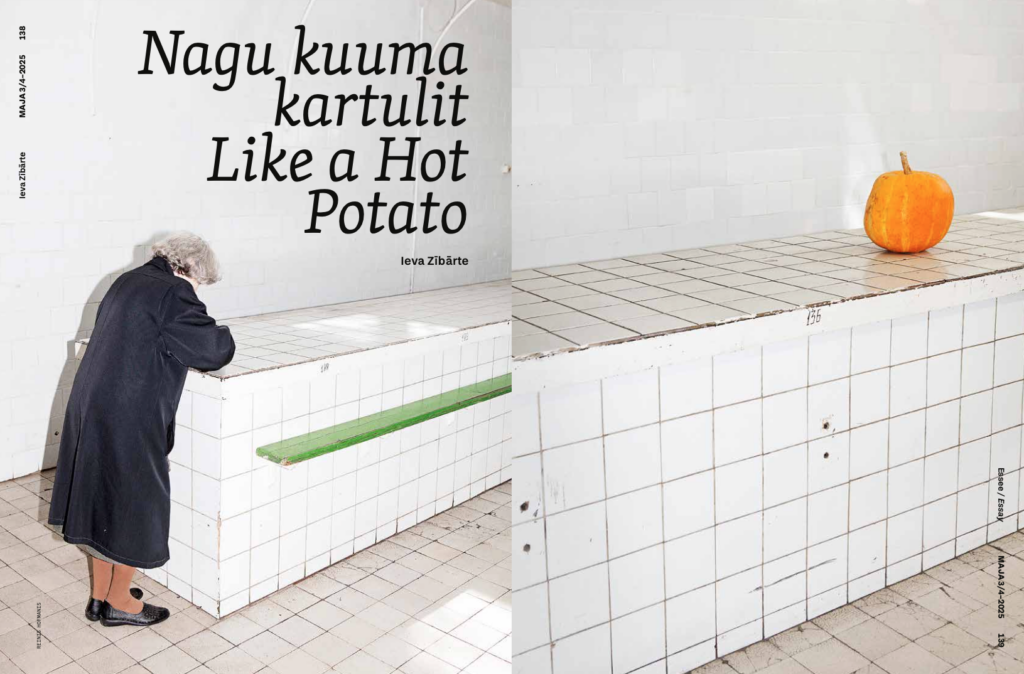
From the largest covered produce markets to scattered street stalls, Riga offers a potent architectural feast when it comes to food markets, writes Ieva Zībārte.
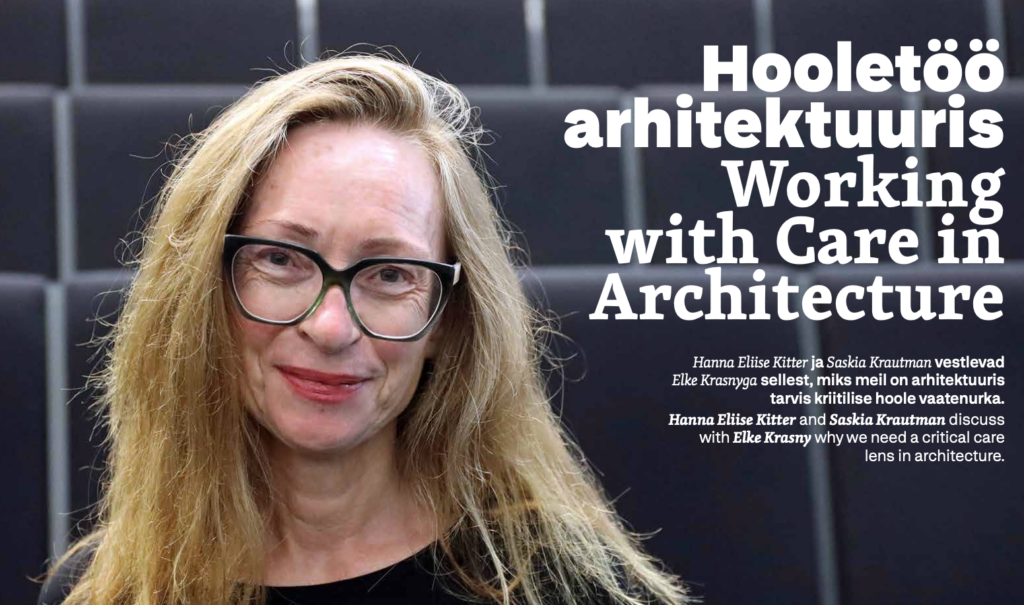
Hanna Eliise Kitter and Saskia Krautman discuss with Elke Krasny why we need a critical care lens in architecture.
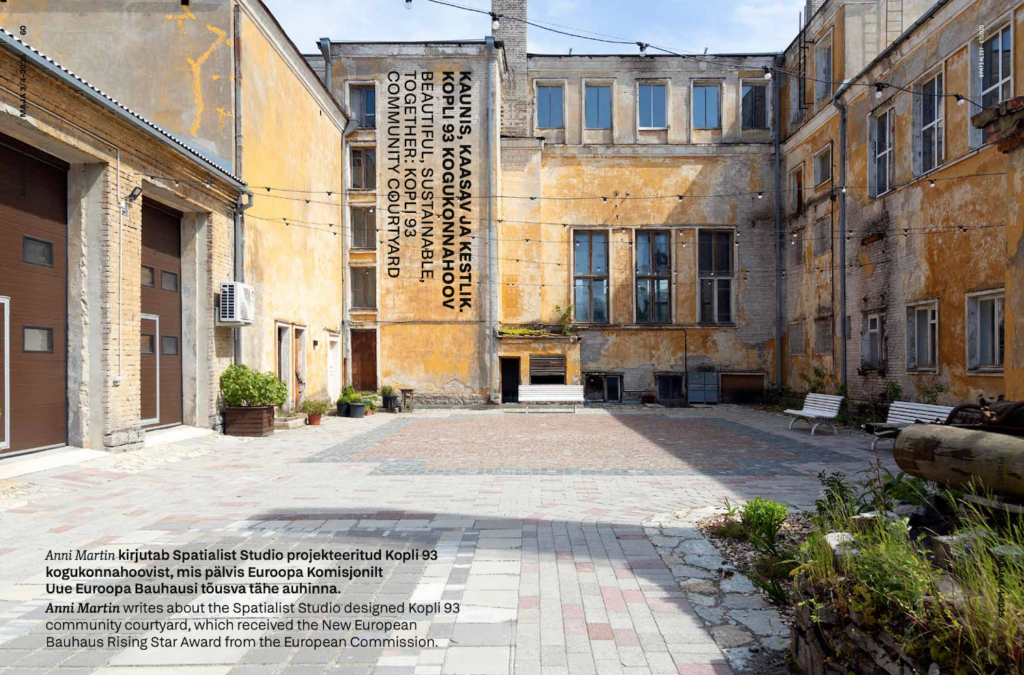
Anni Martin writes about the Spatialist Studio designed Kopli 93 community courtyard, which received the New European Bauhaus Rising Star Award from the European Commission.
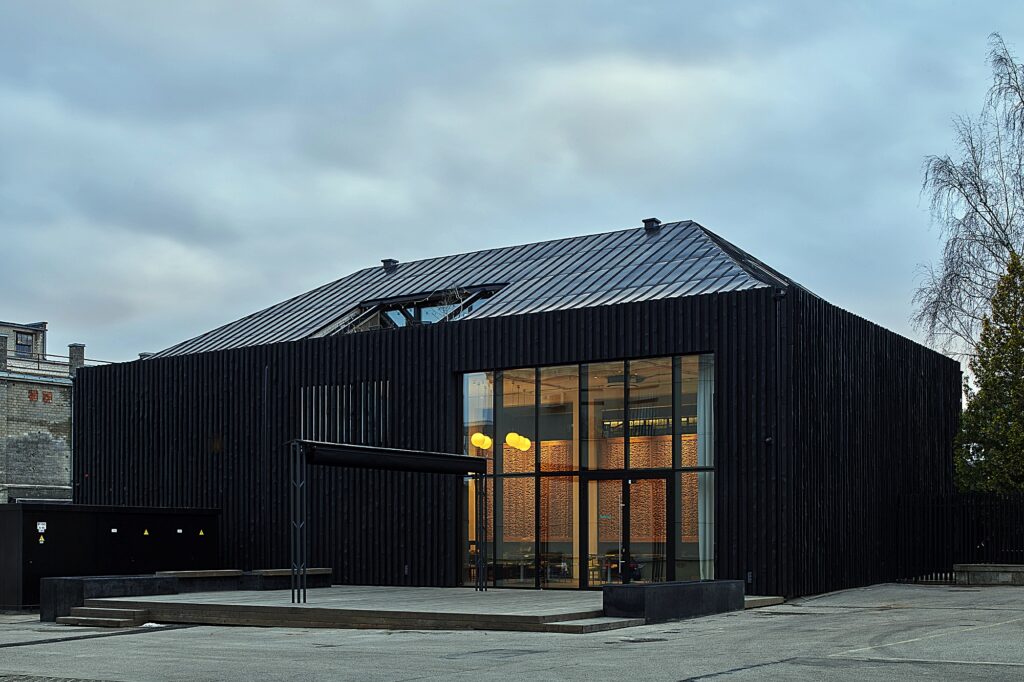
Restaurant Tummo in Vilnius is housed in an old industrial building, which has been reconstructed following the principle of material reuse.
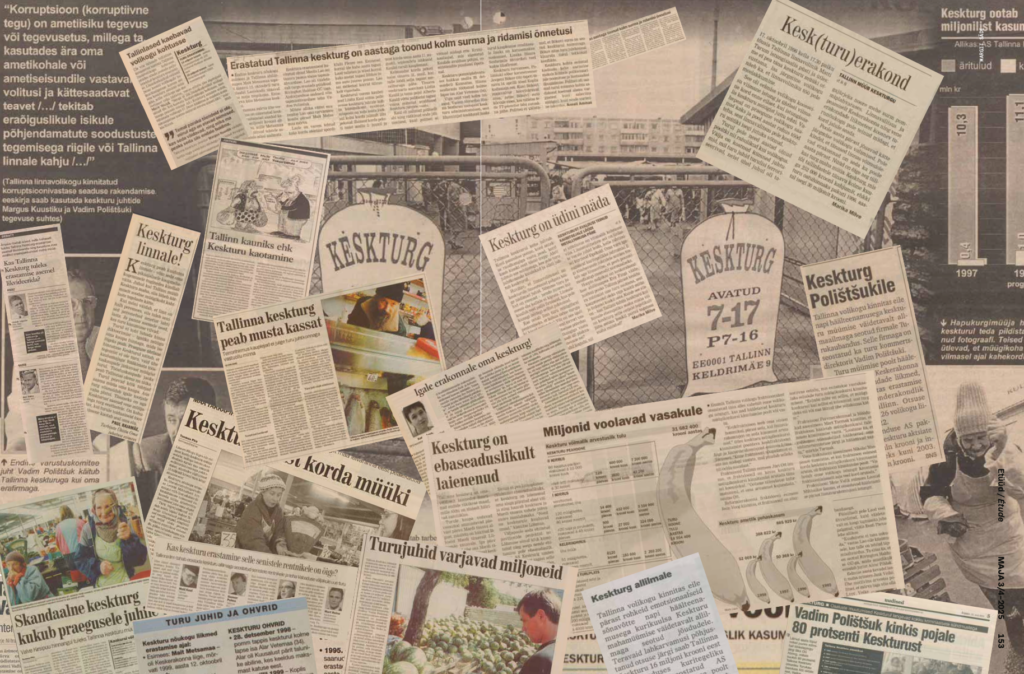
What follows is an eclectic tribute to Tallinn’s Central Market (Keskturg)—a place where the criminal and corrupt shadow of a murky past intertwines with everyday market news and daily gossip about potatoes, sugar, and coffee.
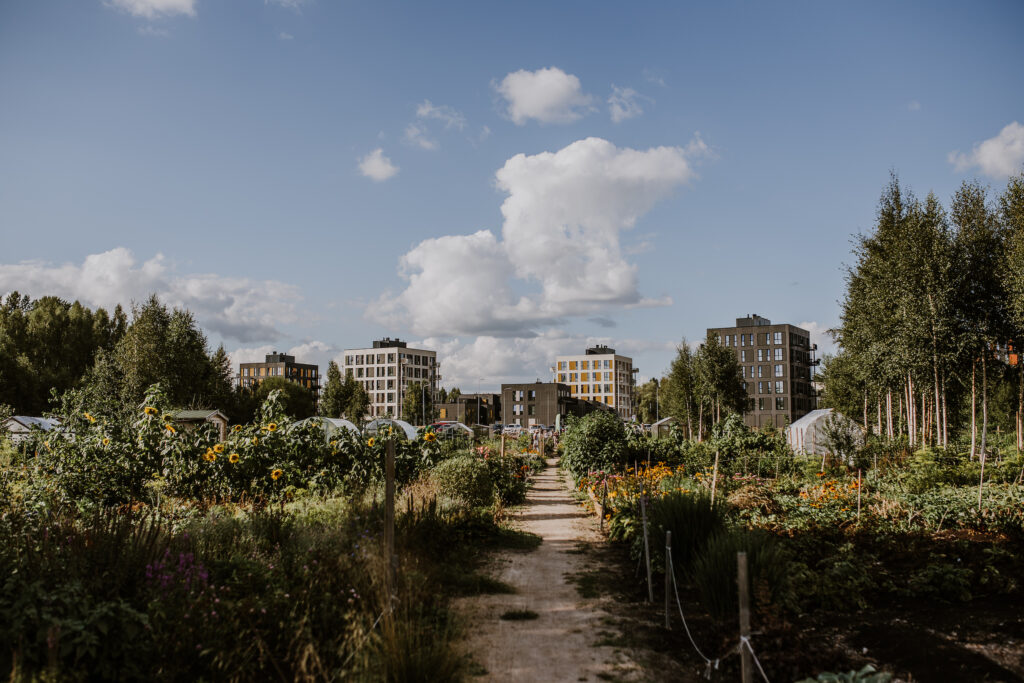
Henri Kopra, Iiris Tähti Toom, and Bianka Plüschke-Altof write about apparently modest urban gardening sites that comprise a wealth of ecological, spatial, and social infrastructure.
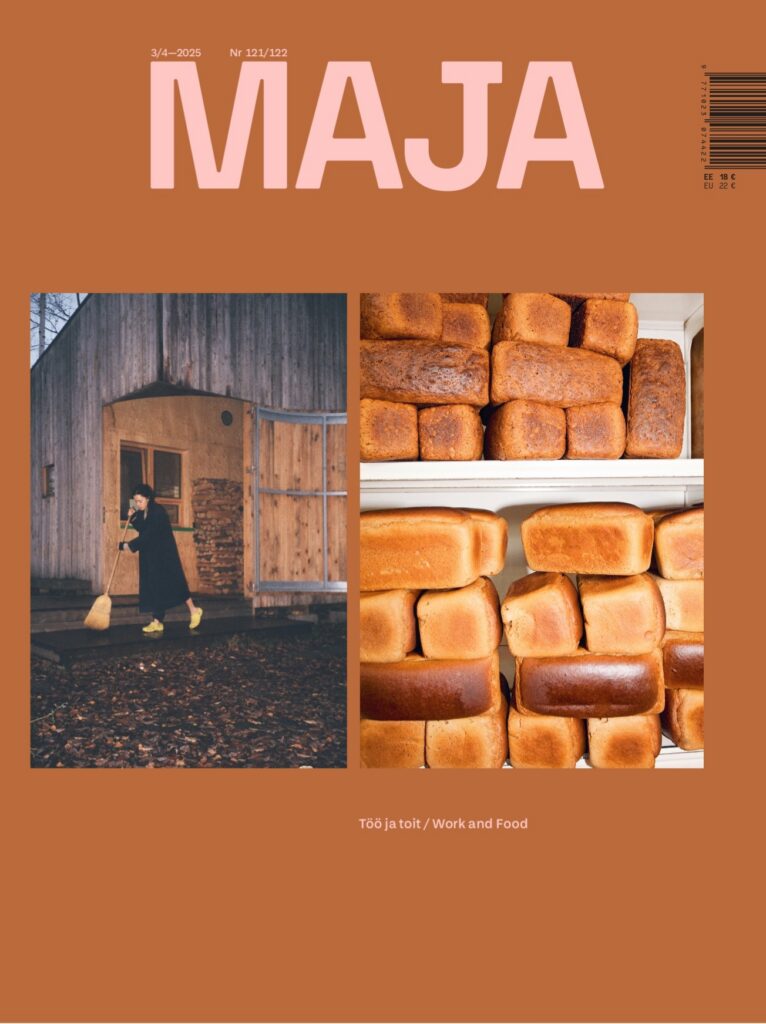
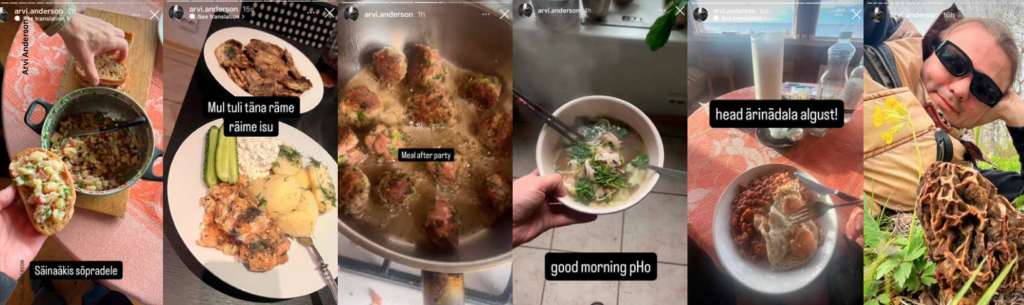
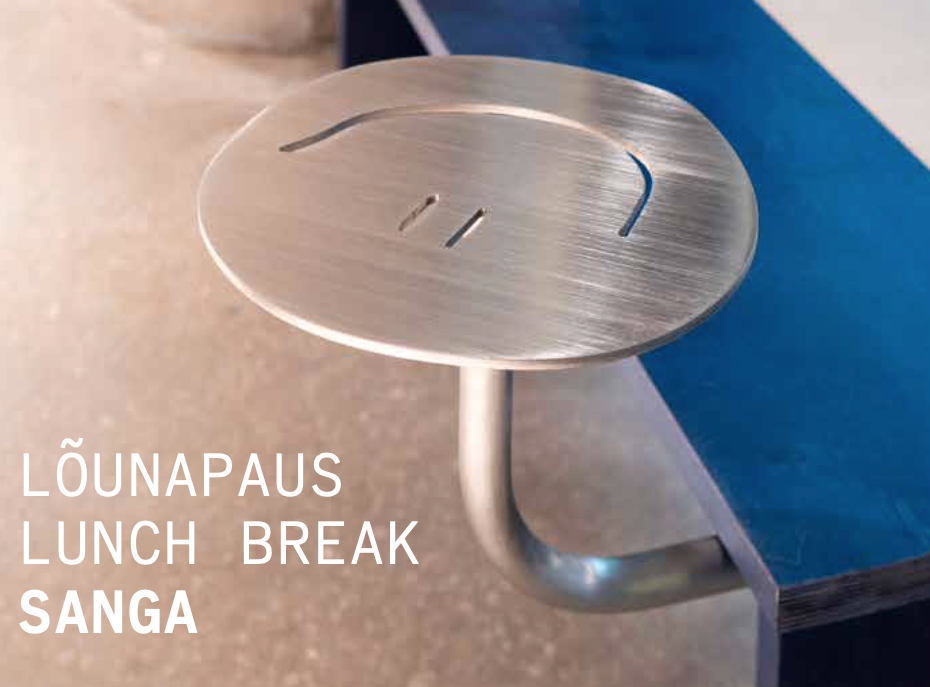
I have long waited for bread-focused restaurants or kiosks to appear in Tallinn, since good, fresh bread—whether sourdough, baguette, or brioche—is one of my greatest weaknesses. Happily enough, two such places sprang up almost at the same time. In the summer of 2024, the red-and-white Sai! opened on the edge of the Old Town, serving kurja koera võikus (literally ‘angry dog sandwiches’ in Estonian); at the end of the year, it was followed by the predominantly blue-toned Sanga in the Rotermann Quarter.
No more posts

Editors' choice

What kind of relationship between a space and its surroundings would help to avoid the objectification of space—i.e., treating buildings or areas as sculptures or fully controllable objects?
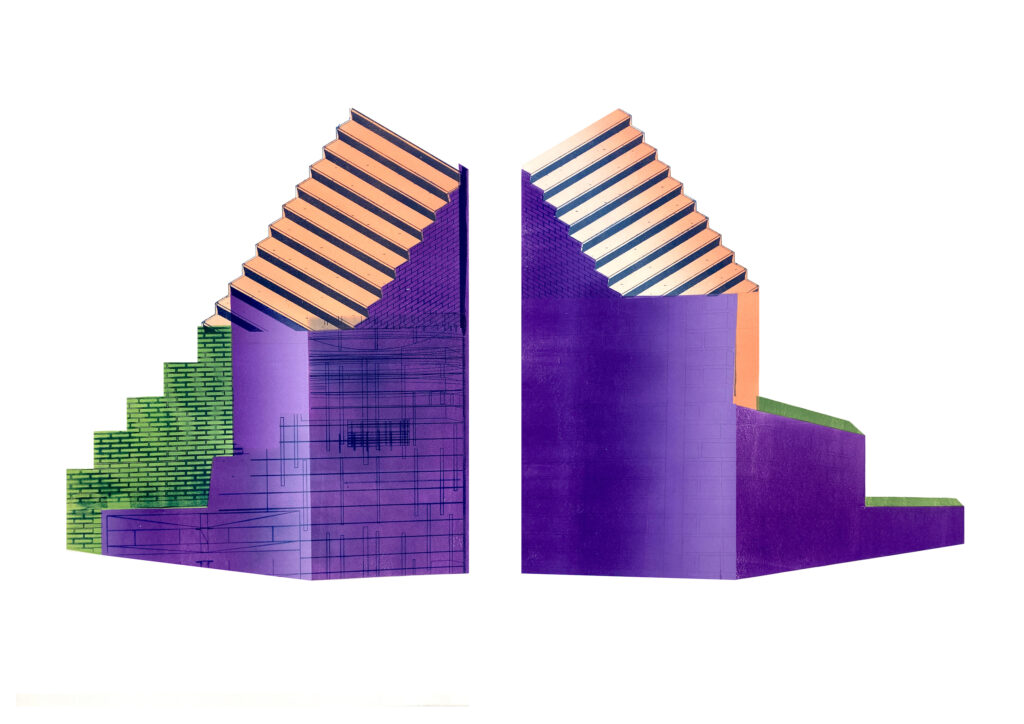
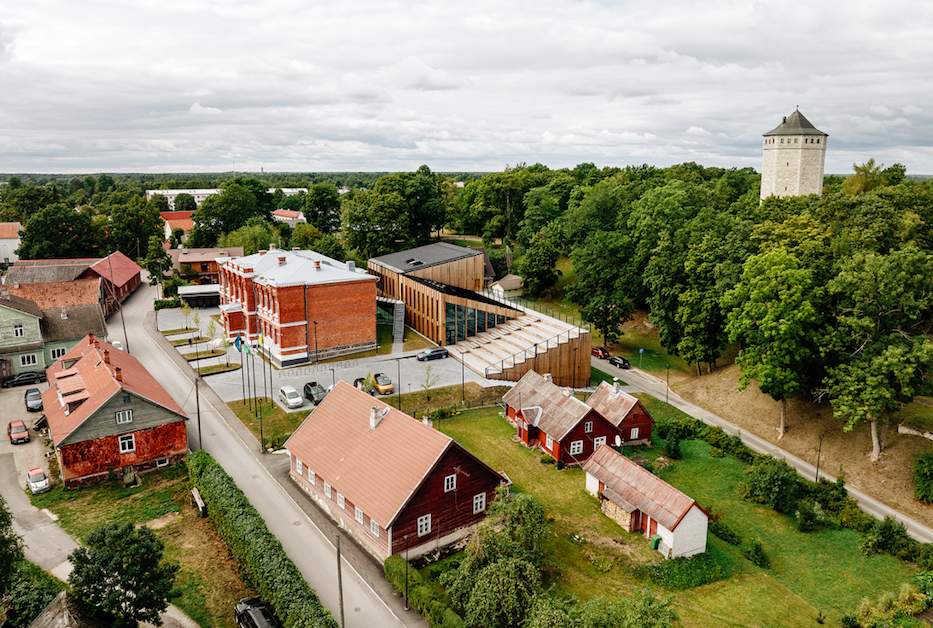
Paide State Secondary School is an excellent example of the mutually complementary dialogue between a historical space and contemporary architecture.
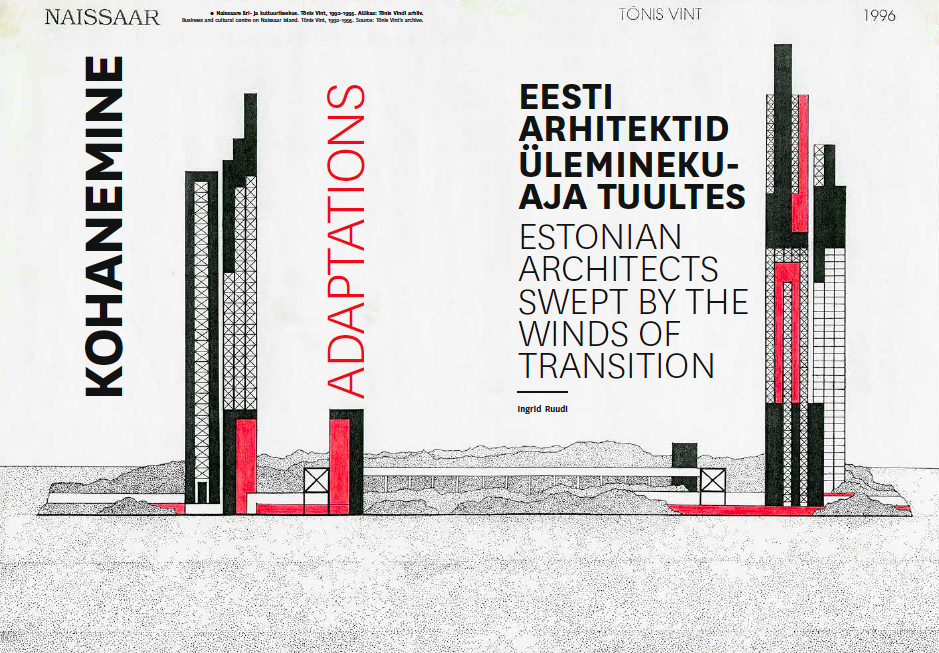
Little was built following the re-establishment of Estonian independence in the early 1990s, however, the debates held and practices established largely came to set the foundations for the dominant issues in the architectural field in the past decades.
What kind of relationship between a space and its surroundings would help to avoid the objectification of space—i.e., treating buildings or areas as sculptures or fully controllable objects?
No more posts

Most read

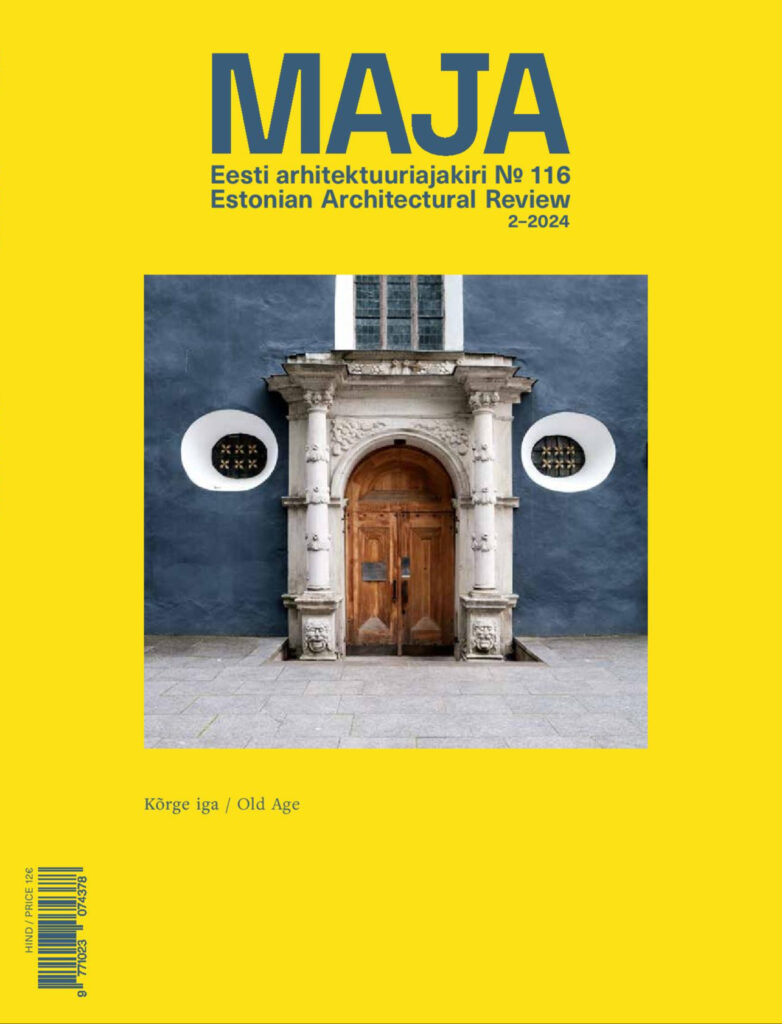
Most people are more or less consciously preparing for old age, the most ordinary and nationally approved preparation consisting in accumulating money into pension funds. Are we opening Pandora’s box when we ask how and if these most common investment funds affect environmental and social developments now and in the near future?
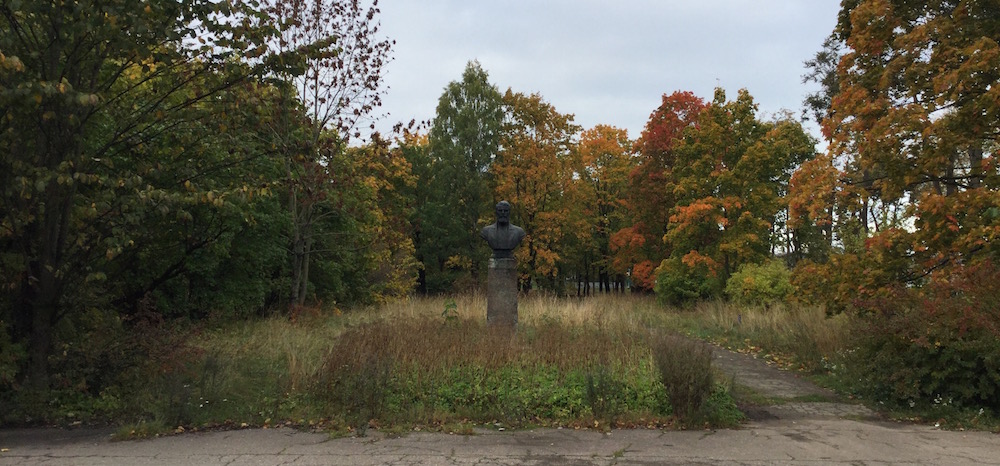
Distinctive places such as a modest park in Kreenholm district can connect the community by approaching citizens in their own way and encouraging the search for a common ground.
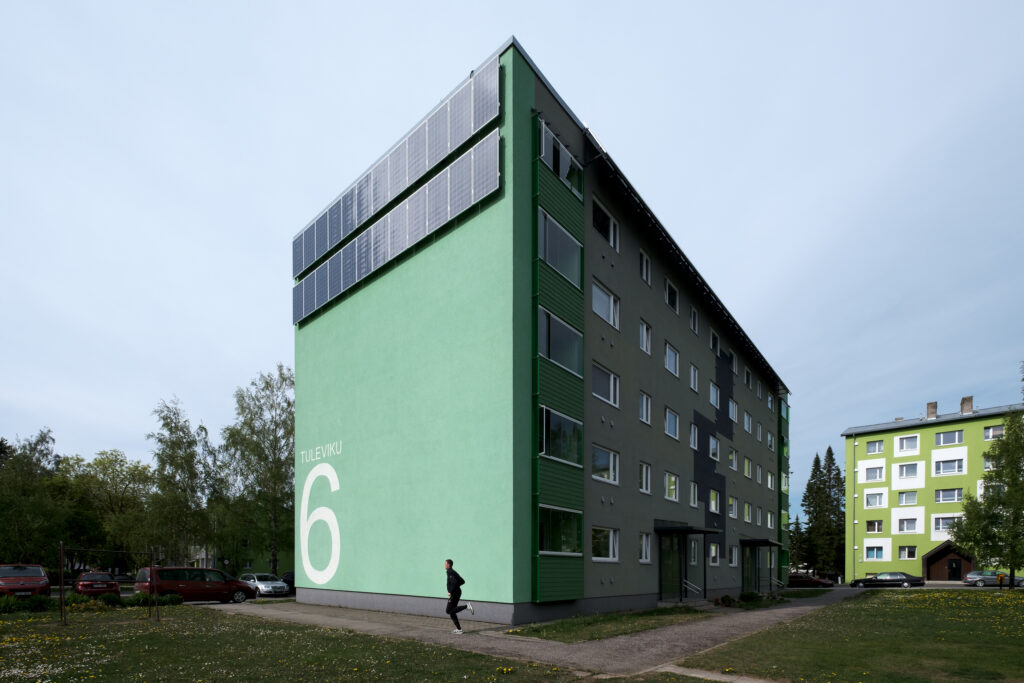
On the backdrop of successful energy efficiency renovations, one can also notice two worrying trends—residents moving out either due to a lack of renovation, or due to renovation.
Preservation has achieved cultural significance as a lens through which various urban experts have come to imagine what a socially and environmentally sound future might look like. As an approach, preservation has been applied to disparate phenomena ranging from historic neighbourhoods and natural environments to democracy and identity.
Spatial design of a city is not a project with a clear beginning and end, but a continuous process, and a wickedly slow one at that.
Is it possible to pair the obscure component of architecture—the component which it is easier to remain silent about, but which may possibly have the ability to establish meaningful connections with most diverse audience—with a clear and coherent analysis?
Architecture: Arhitektuuribüroo Studio Paralleel (Jaak Huimerind, Kadri Viltrop). Interior architecture: Pink (Tarmo Piirmets, Inna Fleišer).
No more posts
Most people are more or less consciously preparing for old age, the most ordinary and nationally approved preparation consisting in accumulating money into pension funds. Are we opening Pandora’s box when we ask how and if these most common investment funds affect environmental and social developments now and in the near future?
No more posts