SPATIAL DESIGN

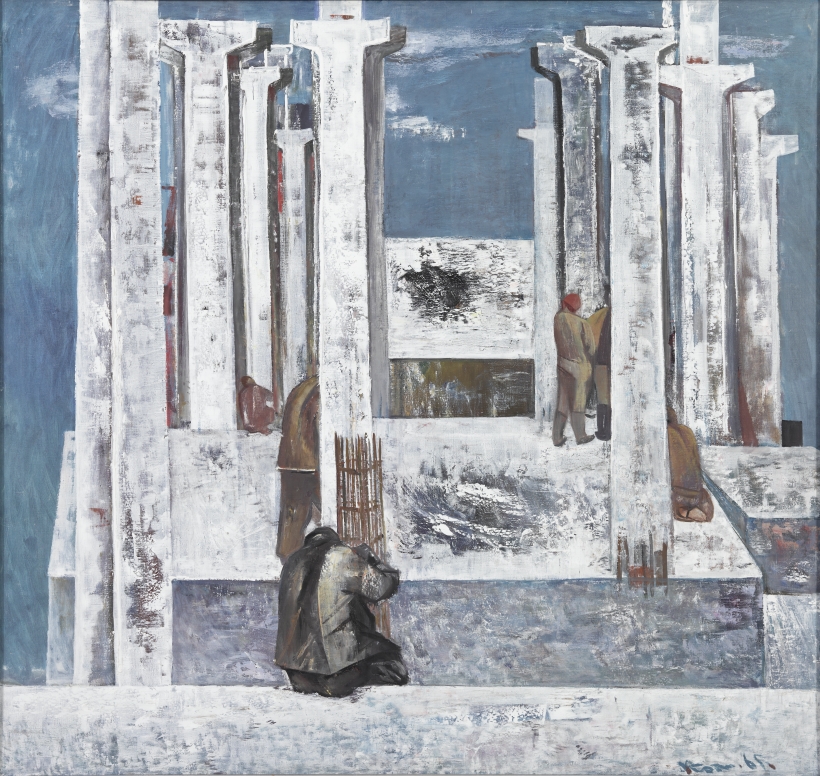
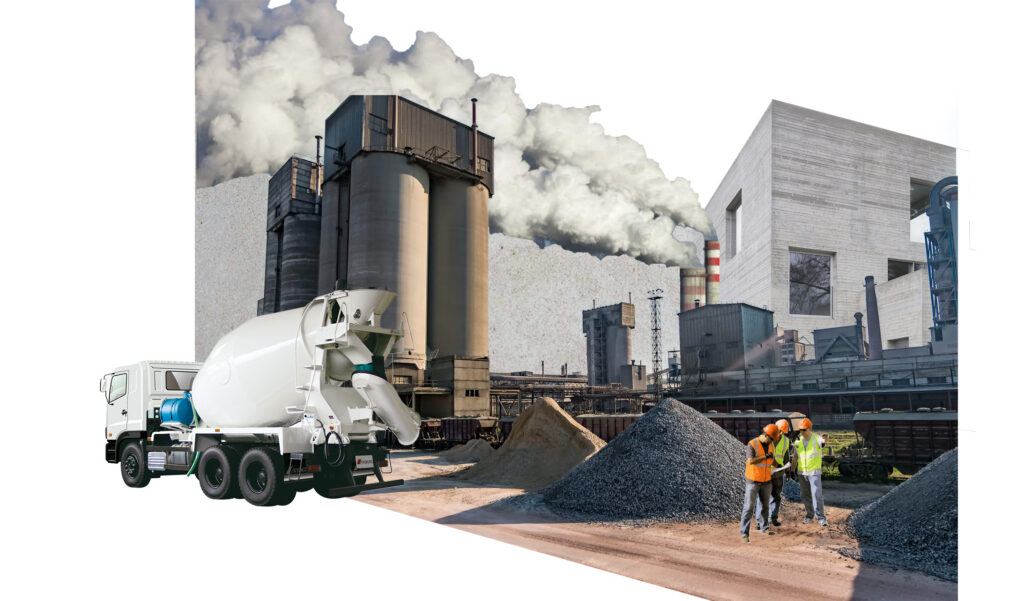
Concrete is durable but resource-intensive. Therefore, in the context of climate crisis and resource depletion, we must make sure we use it in an informed and responsible way, writes Kadri-Ann Kertsmik.
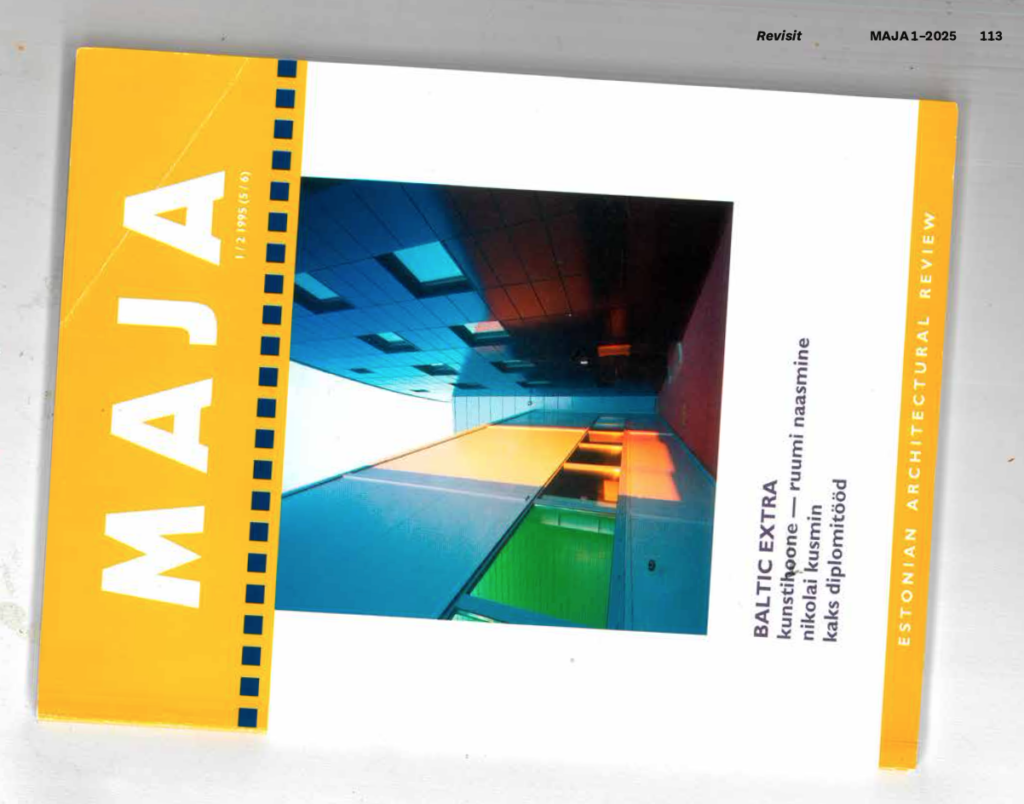
Hannes Aava shares some subjective tidbits about the last 30 years of spatial design in the Baltics.
Designing with a territory values connection over extraction. Clara Kernreuter from Atelier LUMA and Maria Helena Luiga from kuidas.works discuss bioregional design.
Although dictionaries define the term ‘plateau’ as a stable, fluctuation-free state, they also include a caveat: it only lasts for a certain period of time. So, what comes next?
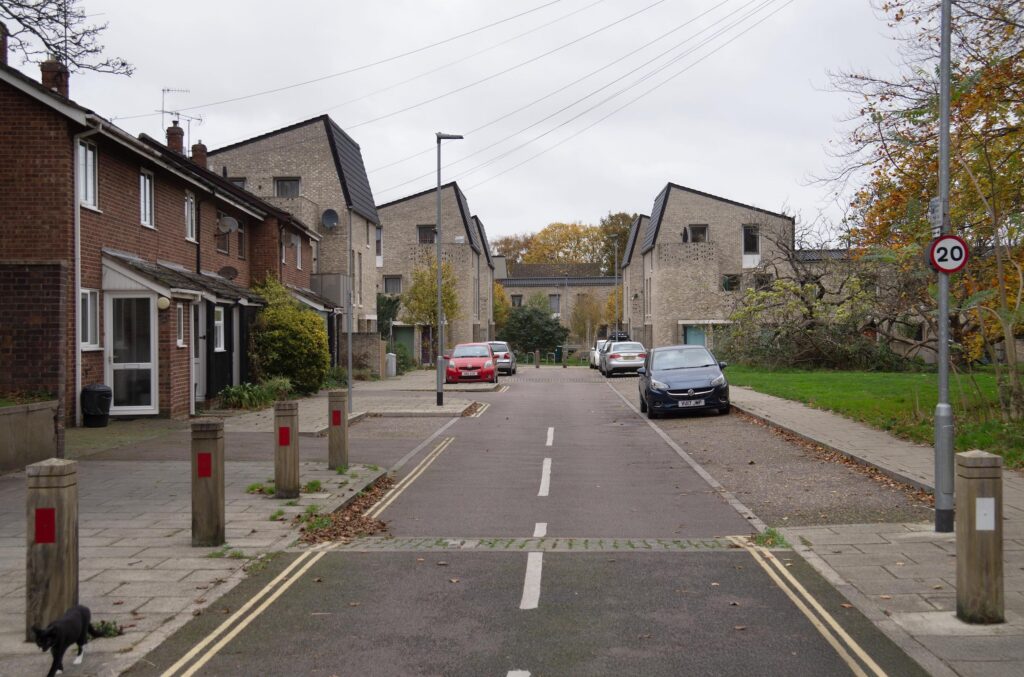
In the UK, a number of councils have adopted the passive house method in order to realise their growing ambitions in the housing sector. Could this also lead to an increase in spatial quality?
In contemporary discourse, the term 'infrastructure' typically conjures images of roads, bridges, and utilities—physical systems essential to the functioning of our societies. However, the concept of infrastructure can be extended beyond its tangible form to encompass networks of care, healing, and empathy. As a community initiative, an ‘infrastructure of care’ transcends mere functionality, weaving connections that nurture the human spirit and foster collective healing.
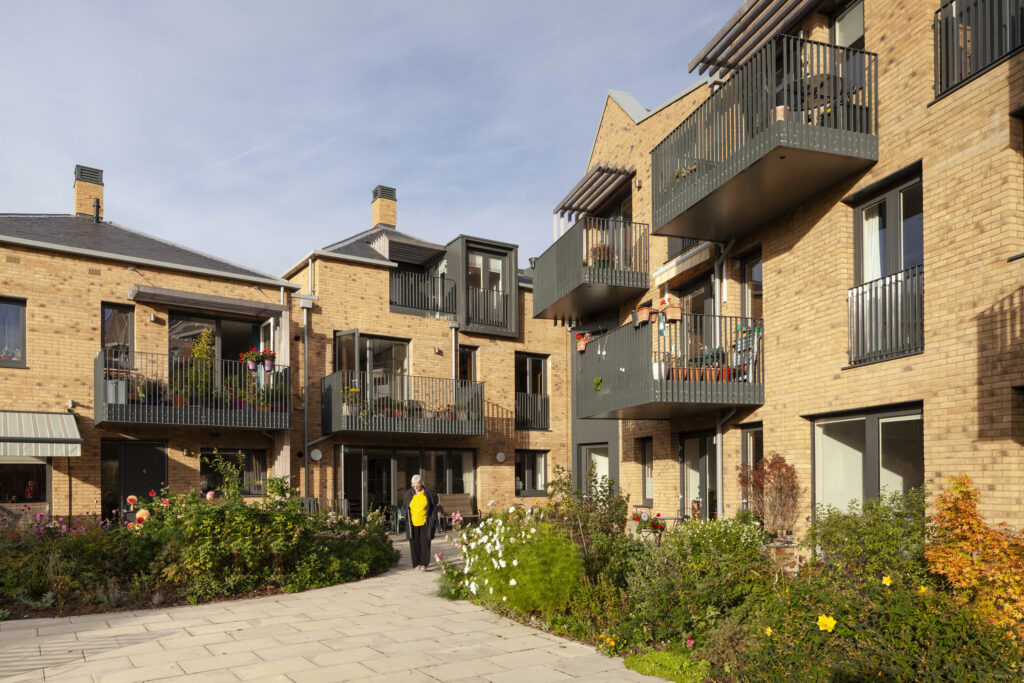
In 2016, a group of women moved into a building in the borough of Barnet on the outskirts of London—a building that had been developed and built in collaboration with them and specially for them. Thus culminated a process that had begun in 1998, when some of these women founded the Older Women’s Co-Housing (OWCH) group.
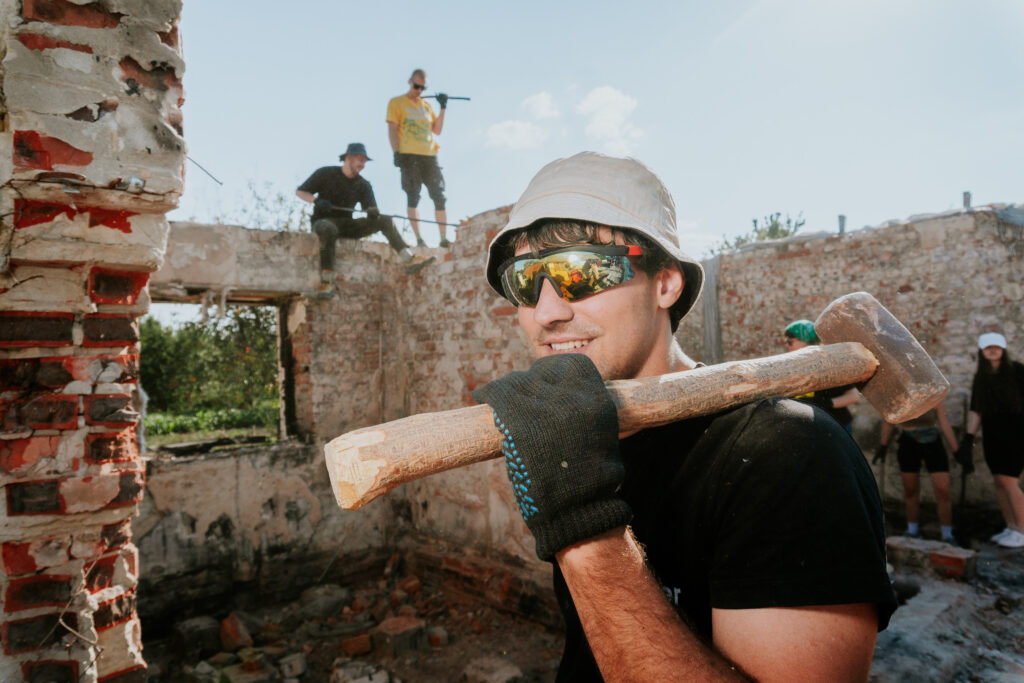
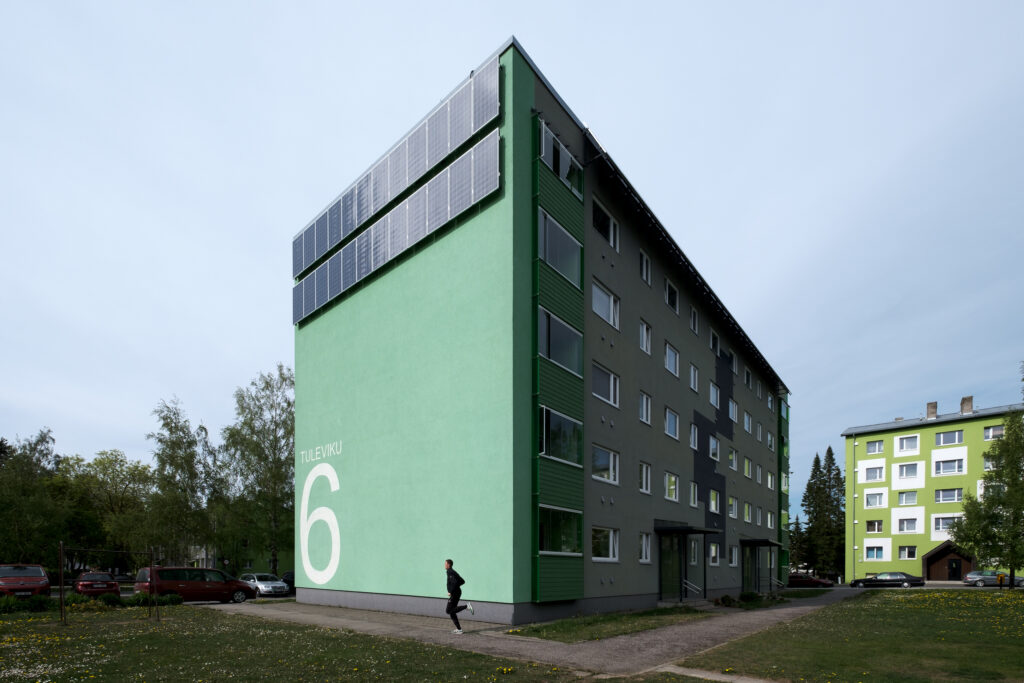
On the backdrop of successful energy efficiency renovations, one can also notice two worrying trends—residents moving out either due to a lack of renovation, or due to renovation.
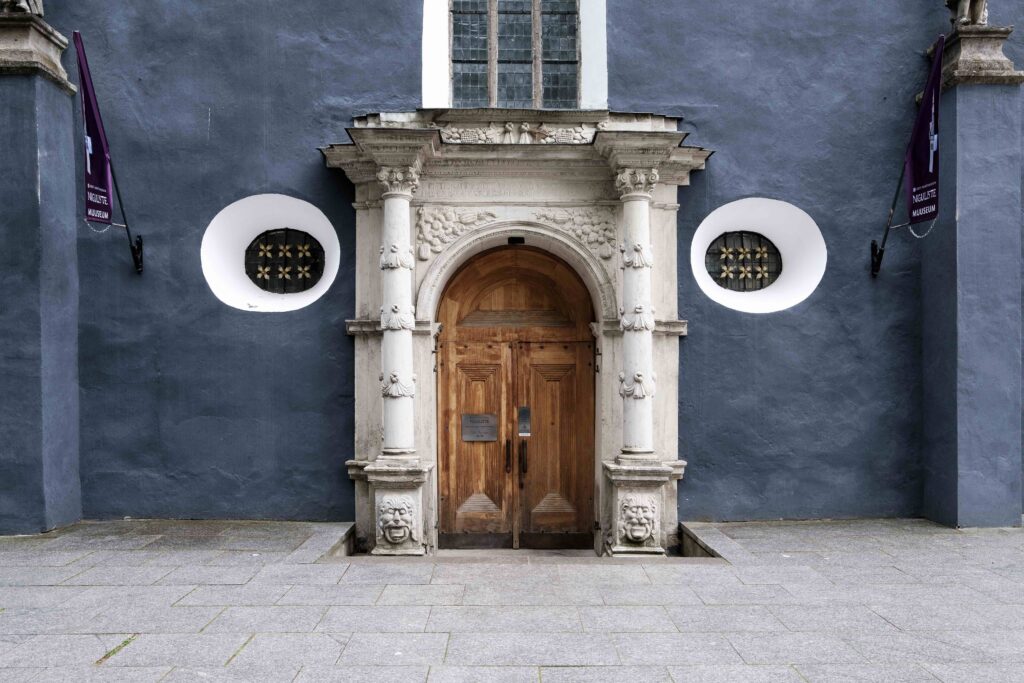
The term ‘accessibility’ marks everyone’s involvement in the living and informational environment, regardless of their age or health, by ensuring equal opportunities for everyone’s participation in the society. The topic is increasingly discussed both on the national and municipal level, and work to improve accessibility is also ongoing in cultural institutions, including museums, which this article will be focusing on.
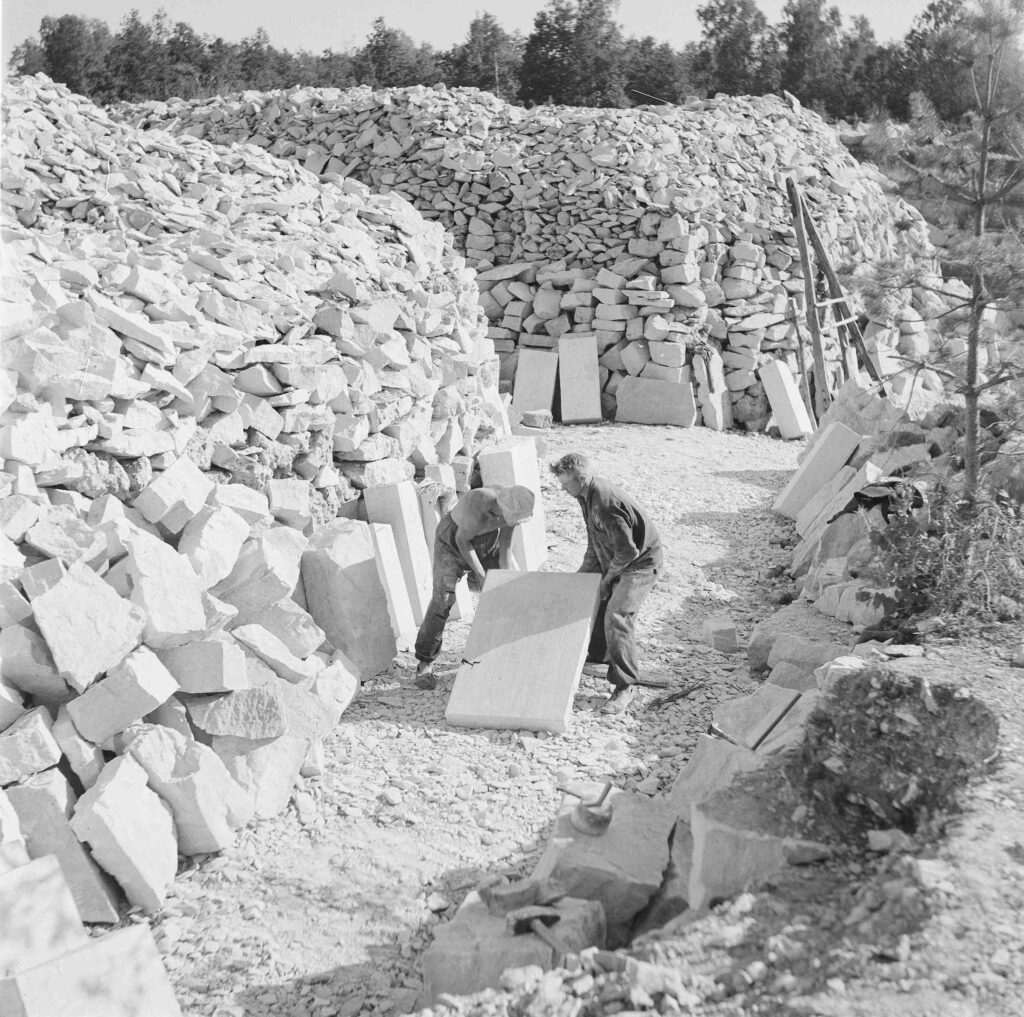
Limestone in Estonian Construction and Architecture in the 20th Century.
Postitused otsas