LOGI SAUN
Type: community sauna
Location: Tallinn, Estonia
Architects: Kaisa Sööt, Liina-Liis Urke, Margit Säde, Regina Viljasaar-Frenzel
Structural engineers: Simo Ilomets (consultant)
Client: MTÜ Kuum ja Külm
General contractor: Gert Pottmann, Cocon Life
Area: 56 m2
Completed: 2023
Kaisa Sööt, Margit Säde, Regina Viljasaar-Frenzel, and Liina-Liis Urke—the initiators, architects, and heaters of the community-run Logi Sauna in Tallinn city centre—talk to Diana Drobot and Linda-Li Arro about applying common sense in an urban environment, collaborating with the public sector, and having the courage to intervene in urban space.
Diana Drobot (DD), Linda-Li Arro (LLA): What is Logi Sauna?
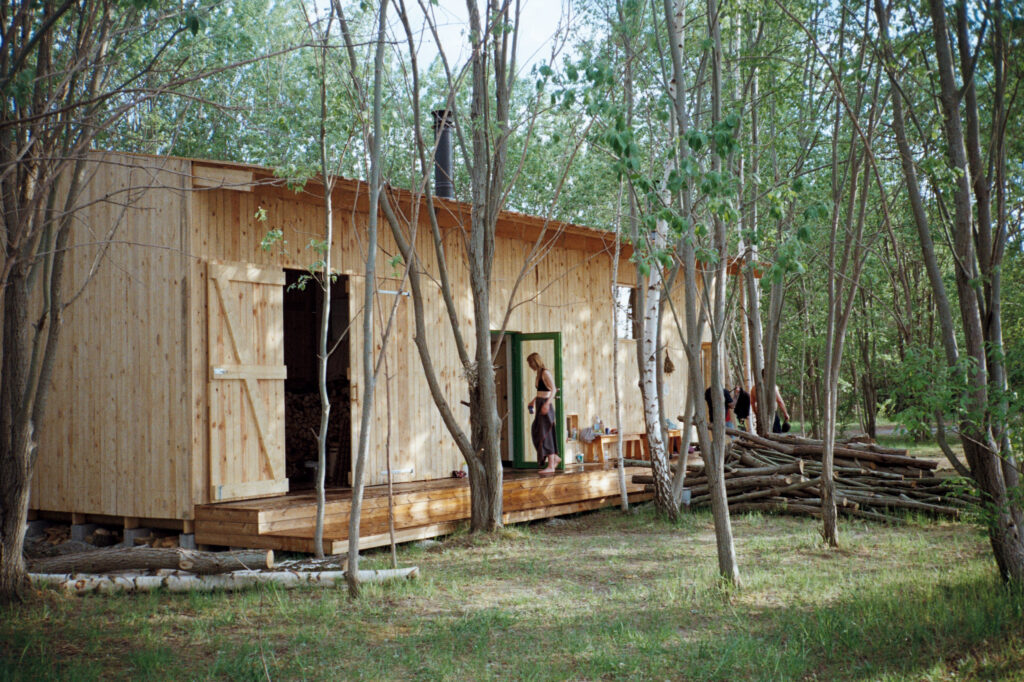
Kaisa Sööt (KS), Margit Säde (MS), Regina Viljasaar-Frenzel (RVF) ja Liina-Liis Urke (LLU): Logi Sauna is a simple public sauna founded on civic initiative, located by the sea in the centre of Tallinn. The design, construction, and day-to-day operation of the sauna have all been collective processes. The authors of the design run the sauna themselves, heating it three times a week during regular opening hours with the help of volunteers.
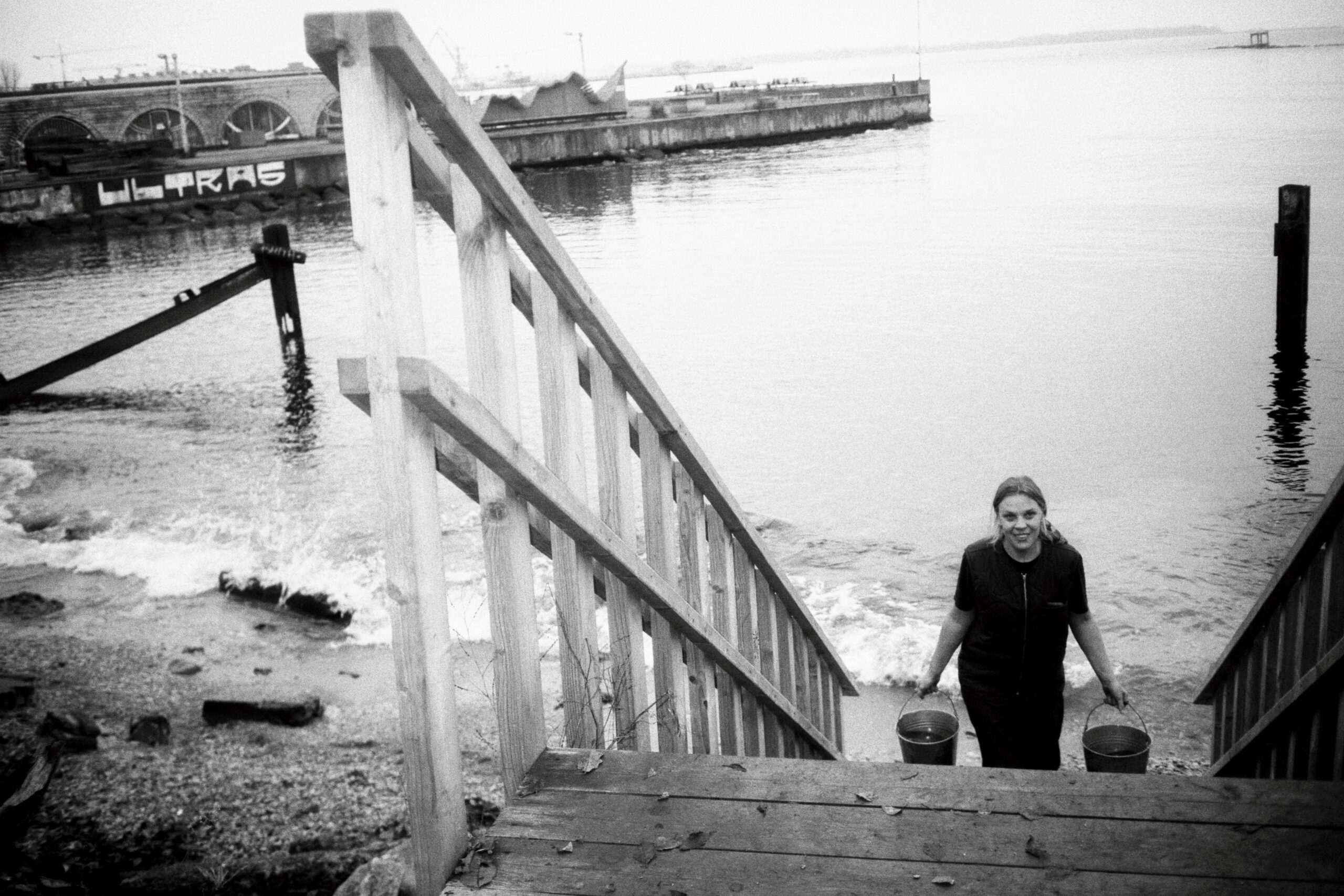
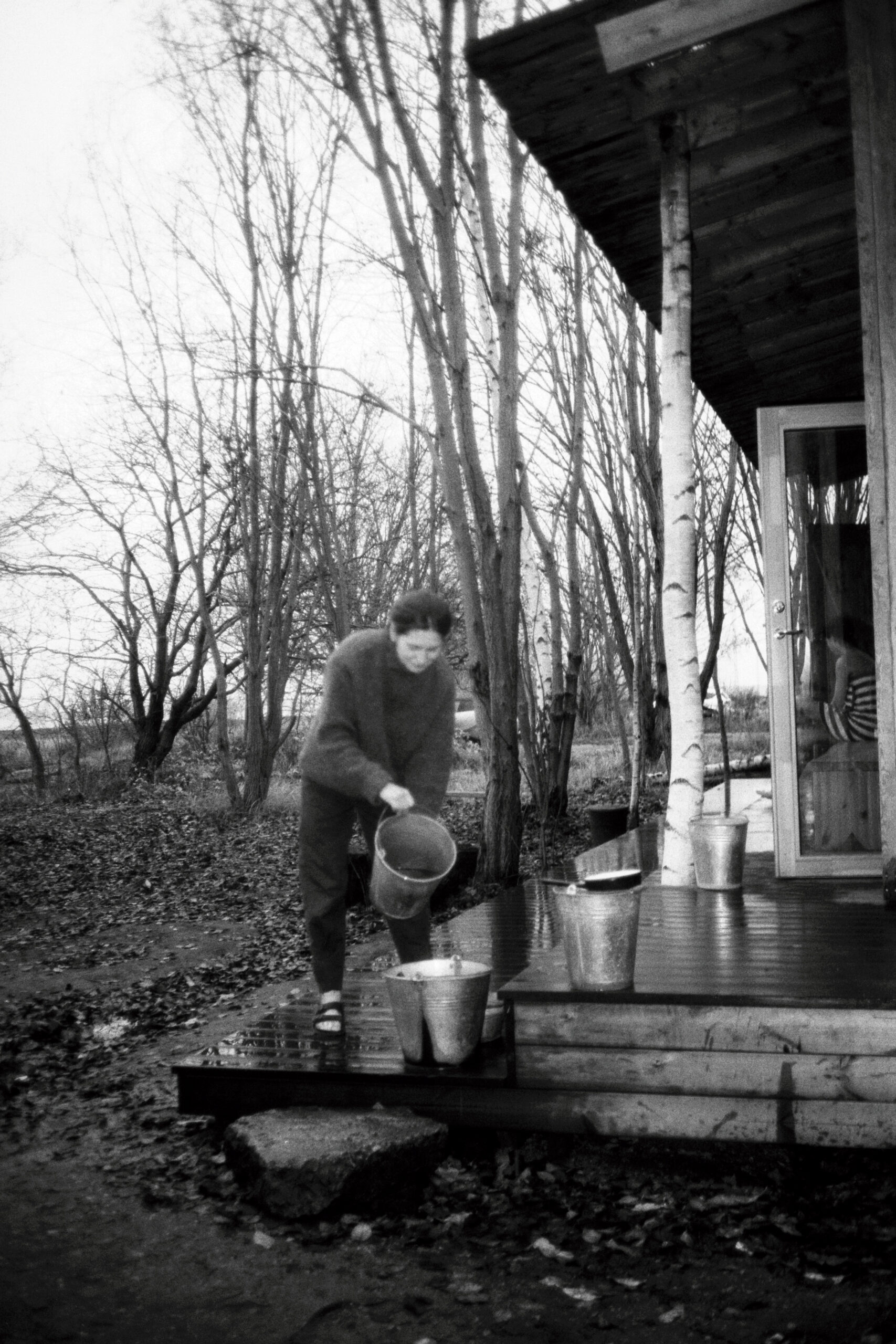
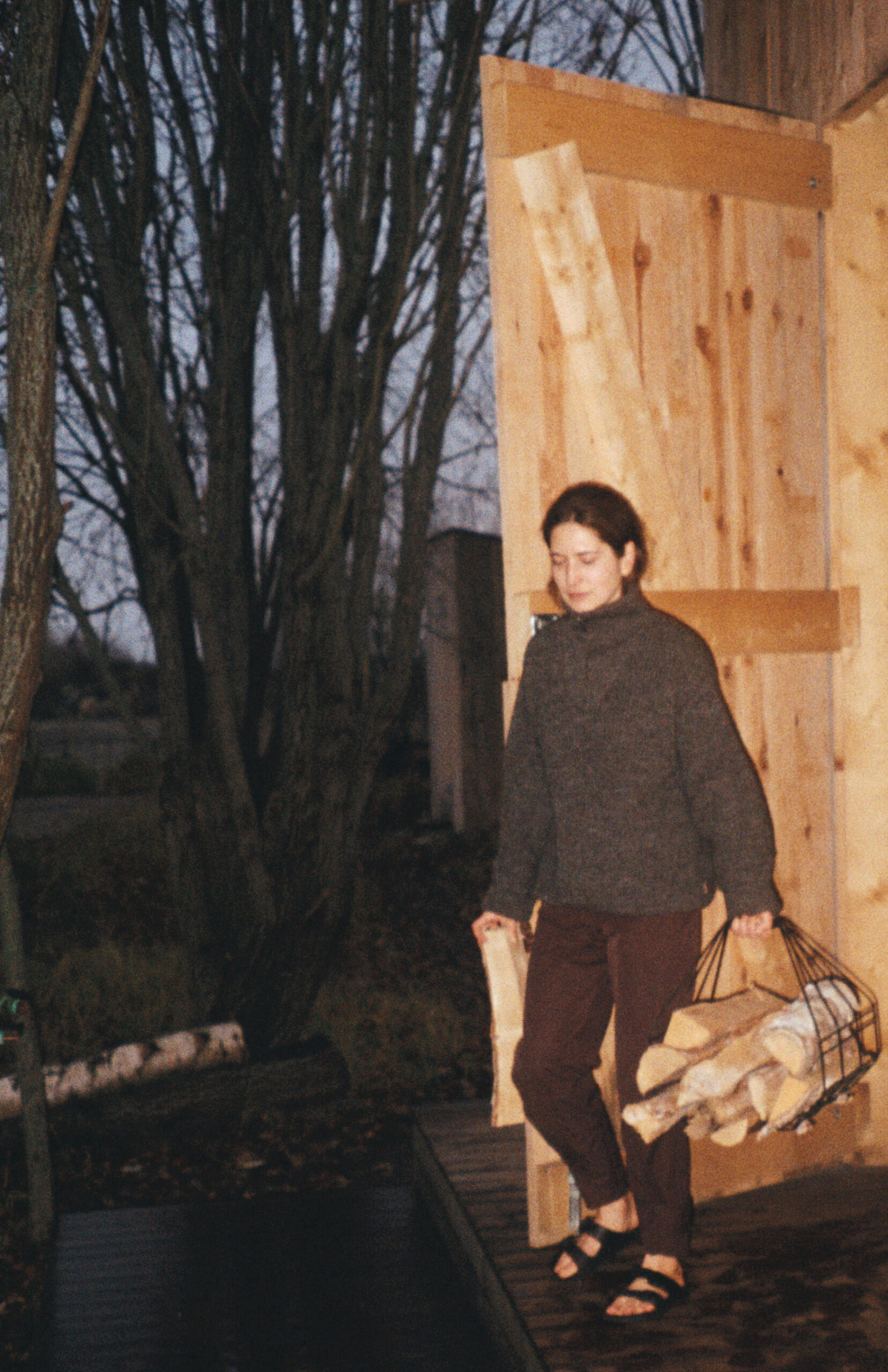
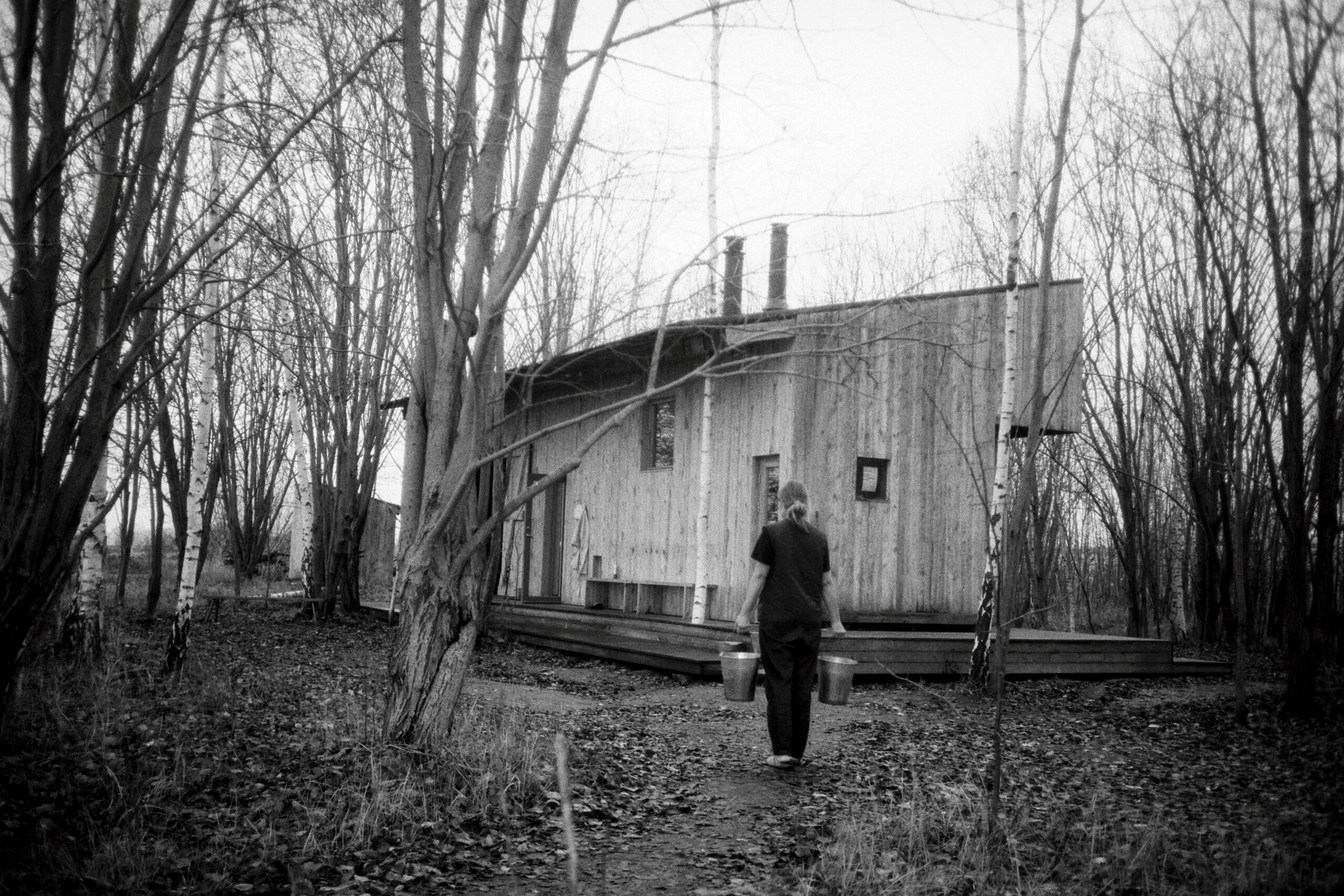
Pooling our different sauna experiences and knowledge, we created a wood-heated space that also allows dipping into the sea, a space that features as little as possible and as much as necessary. The sauna has no running water and electricity; you can refresh yourself with seawater, and candles chase away the darkness. There is a view of the sea from the inside.
DD, LLA: The four of you—an architect, an interior architect, a curator/artist, and an urbanist—are a textbook example of cross-disciplinary collaboration. Did you feel that your different backgrounds gave momentum and depth to the project?
KS, MS, RVF, LLU: Our skill sets are indeed very different; each of us excels in something the others do not. An architect could design a sauna alone, but our sauna turned out different precisely because we all came with our different experiences, knowledge, and perspectives.
Establishing a sauna was a complex undertaking. At first, we had to map the situation and organise resources: both people and financial means. We also needed to figure out how to create a sauna that would not remain merely a monument but become a living, well-kept space—community-based operation was important from the outset. We never handed the sauna over to someone else; we heat it ourselves together with volunteers. Granted, making decisions with four people takes a lot of time. You need to discuss, deliberate, argue—but this sort of collaborative process has been very interesting and educative.
DD, LLA: Please tell about this process in more detail. How did Logi Sauna come about?
KS, MS, RVF, LLU: A shared longing for a public sauna, echoed by many others, was a clear sign that Tallinn needed such a space. A survey among acquaintances and friends likewise confirmed that the time was ripe. The crucial question was: how could we acquire both a location and financial support at the same time? If you approach a plot owner without having funding, you are not taken seriously. And conversely, you will not get funding without a specific location or backing from the city.
Eventually, the site kind of came to us rather than the other way around. We made various sketches for different places. We visited the Tallinn Strategic Management Office, met with officials and planners, and spent a lot of time looking for a suitable plot. At first, we were offered a pier at the Seaplane Harbour, but this turned out to have too many restrictions. Then we were brought into contact with the developers of the Hundipea district, who seemed to share our values, but the 100-metre coastal construction exclusion zone there would have moved the sauna too far from the sea. A couple of years later, we circled back to the Strategic Management Office, where Kaidi Põldoja and Ann Kristiin Entson were currently working on the area around Linnahall. The plans had already designated a spot for a sauna, the city was looking for ideas and initiators, and we happened to be in the right place at the right time.
After having secured a plot and support from the European Green Capital programme, everything took shape. Our budget was merely symbolic; we did everything ourselves on a voluntary basis. Finding additional funding was very time-consuming; it involved a lot of lobbying and constant explaining. We wrote to about 130 companies asking for building materials, windows, doors, a stove. Several companies gave their support. For us, the important thing about the process was that the sauna would retain its own character: simple, tranquil, value-based.
Some city council members may have found our sauna a bit of a ‘shack’, but our team was able to present the project seriously enough. Since we ourselves were the client, the designer, as well as the end user, we had to put together the brief ourselves. Would men and women go to the sauna together or separately? How do the changing rooms work and how many should there be? Which rooms are heated and which are not? How to ensure safety?
Many solutions were determined by the lack of resources. We could not afford to insulate and heat the whole building; the important thing was to heat the steam room and the sauna attendant’s room. Clothes can be changed in freezing temperatures if you know that a hot sauna is waiting for you. Since the building is temporary, installing a sewage system was not feasible. We did hesitate somewhat over opening a sauna without washing facilities, but we did not want this to become a stumbling block. We decided that if there is no running water, let there be no electricity either. We realised that darkness and temperature contrasts only enhance the sauna experience. Urbanites crave a little discomfort! When it came to the stove, however, no compromises were made—we wanted the best and indeed got the best.
DD, LLA: Making changes to public space often gets bogged down not because there is a lack of need, but because the need is not loud or visible enough. People often simply do not question things or believe that they are allowed to do so. You were clearly not held back by this.
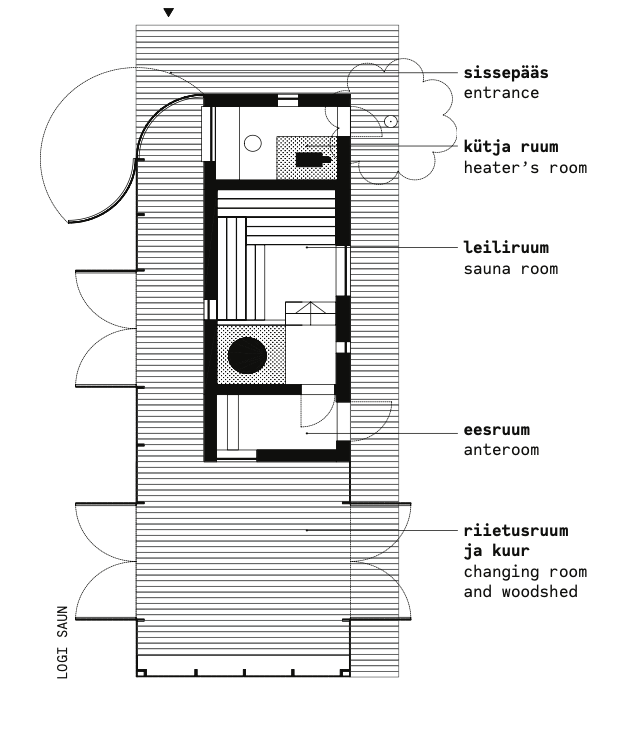
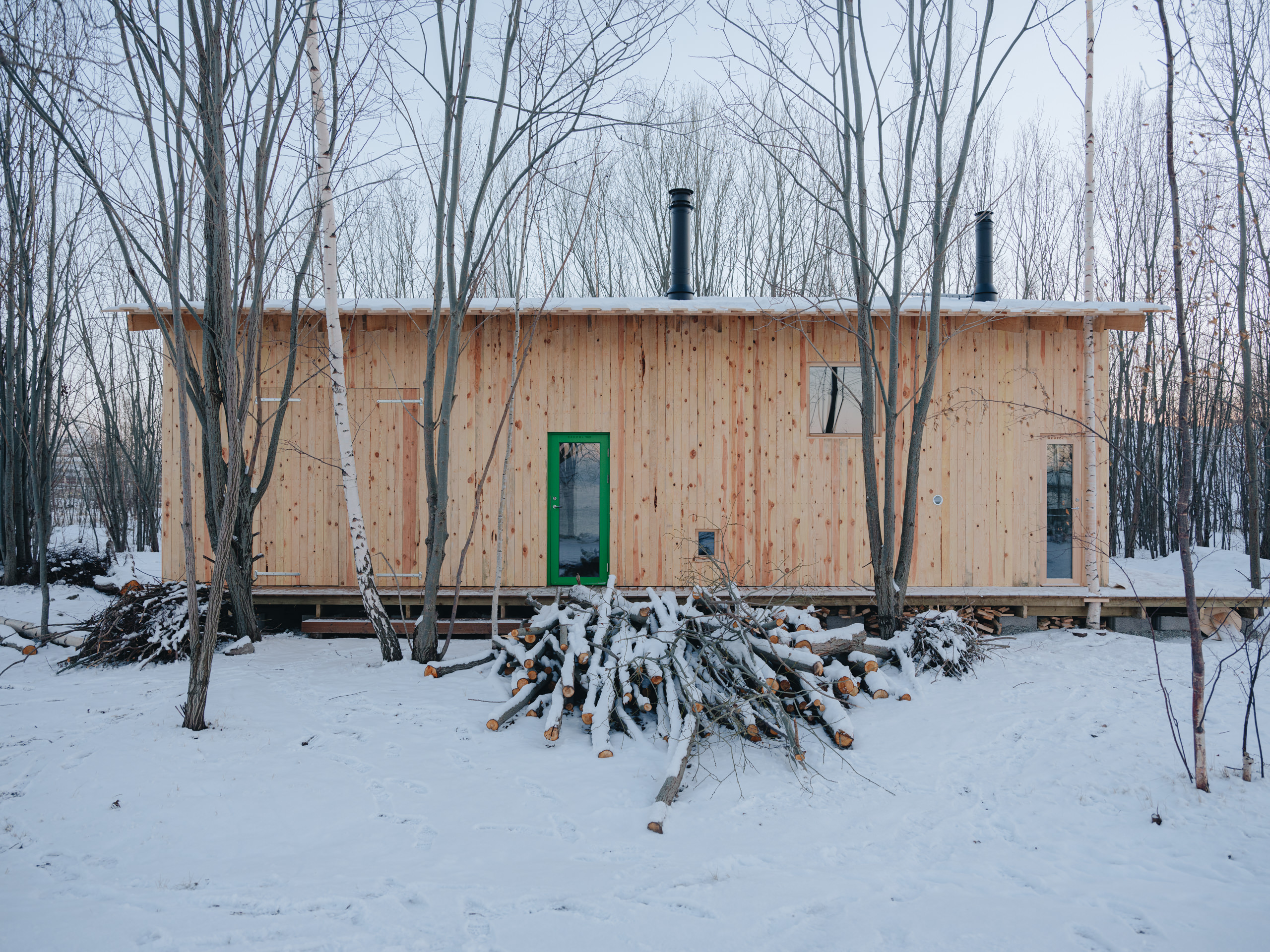
Photo: Tõnu Tunnel
KS, MS, RVF, LLU: There is a very real threshold to participating in public space—and it is high. Building involves a lot of bureaucracy, which might initially seem insurmountable. In our case, it helped that we had perhaps a bit more symbolic capital in it—experiences, knowledge, and contacts—than the average person. Doing something from scratch is difficult; lack of knowledge in the face of complexity can be a significant barrier. At the same time, the municipal system is not prepared for such things either. Processes in Tallinn are slow, bureaucracy is huge, and there are political deadlocks. Many things are surely easier to do in smaller municipalities. Compared to Central Europe, though, Estonia has more space and grey areas; if you knock long enough, you eventually get your foot in the door.
DD, LLA: Linnahall and Logi Sauna differ in scale, but one underlying aim is the same: to create accessible public space by the sea. Talking to Raine Karp, the architect of Linnahall, it seemed that achieving this aim is much more difficult today. She told that there was less paperwork with designing Linnahall; the architect would put together the spatial programme herself, briefly show a scale model to the mayor, and the project took off. It seems that the tiny Logi Sauna faced many more requirements and a much more complex process than the large Linnahall did decades ago.
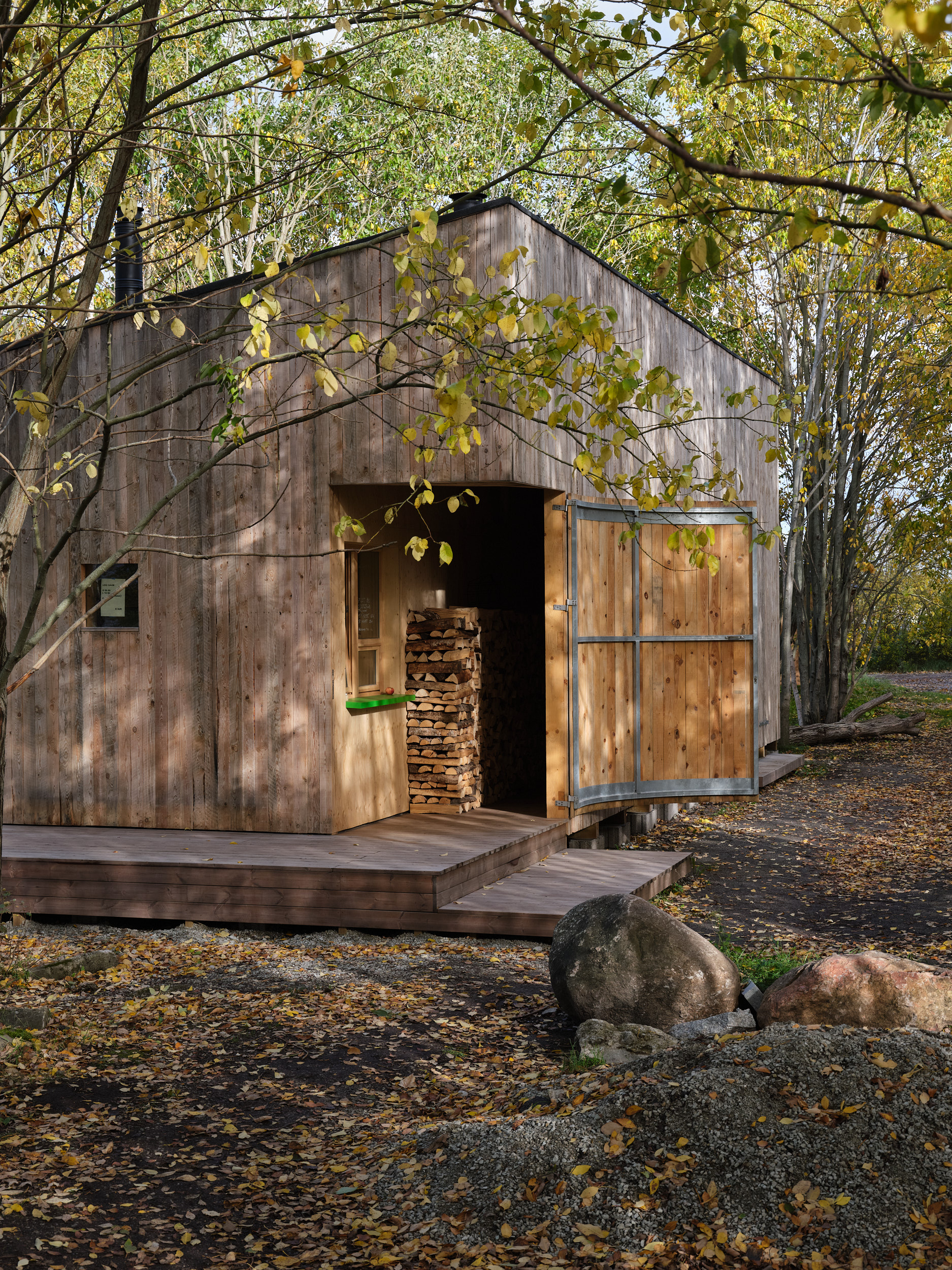
Photos: Aadam Kaarma
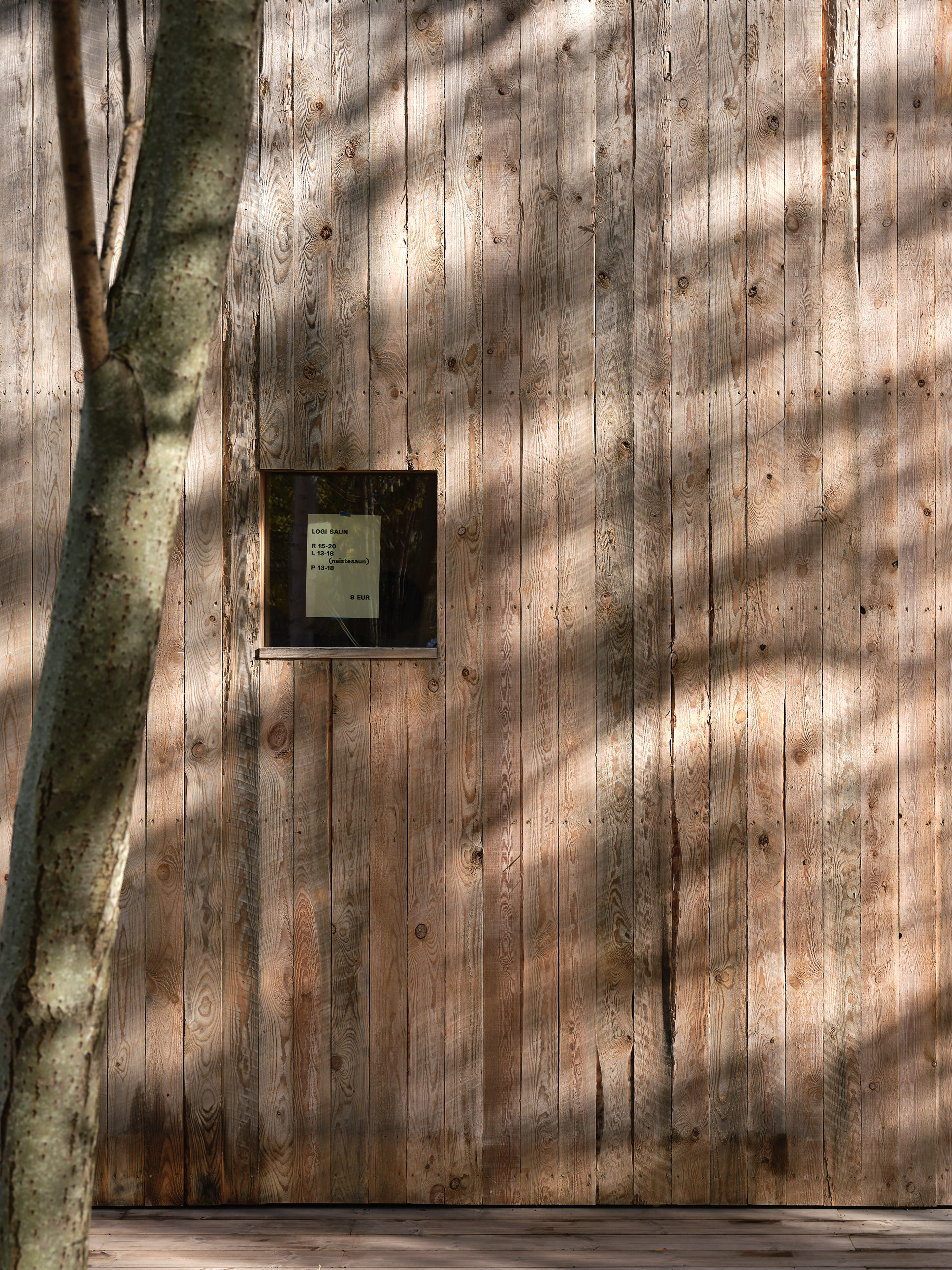
KS, MS, RVF, LLU: At the very beginning, we hoped that if the floor area was under 60 m², we would not have to apply for a building permit—but since our sauna is for public use, we needed to get one anyway. In the end, the design of the sauna itself was only one part of the complexities. The compost bin and dry toilet each became a bureaucratic ordeal of their own. Composting banana peels seems elementary, but in the city there is no legal basis for it.
When we were planning the sauna, we were often told: ‘It is a very nice idea, but unfortunately, it is not possible’. We heard plenty of kind words at meetings with the Tallinn Urban Planning Department and the environmental department, but everything ended with the conclusion that the system is not adapted for such initiatives. Heavy bureaucracy punishes flexibility, and the gap between the individual and the institution is very wide. But where to draw the line between regulation and trust? Simple spatial ideas can become unbelievably complex when the system does not cooperate. Our starting point was always a logical and maximally lightweight solution.
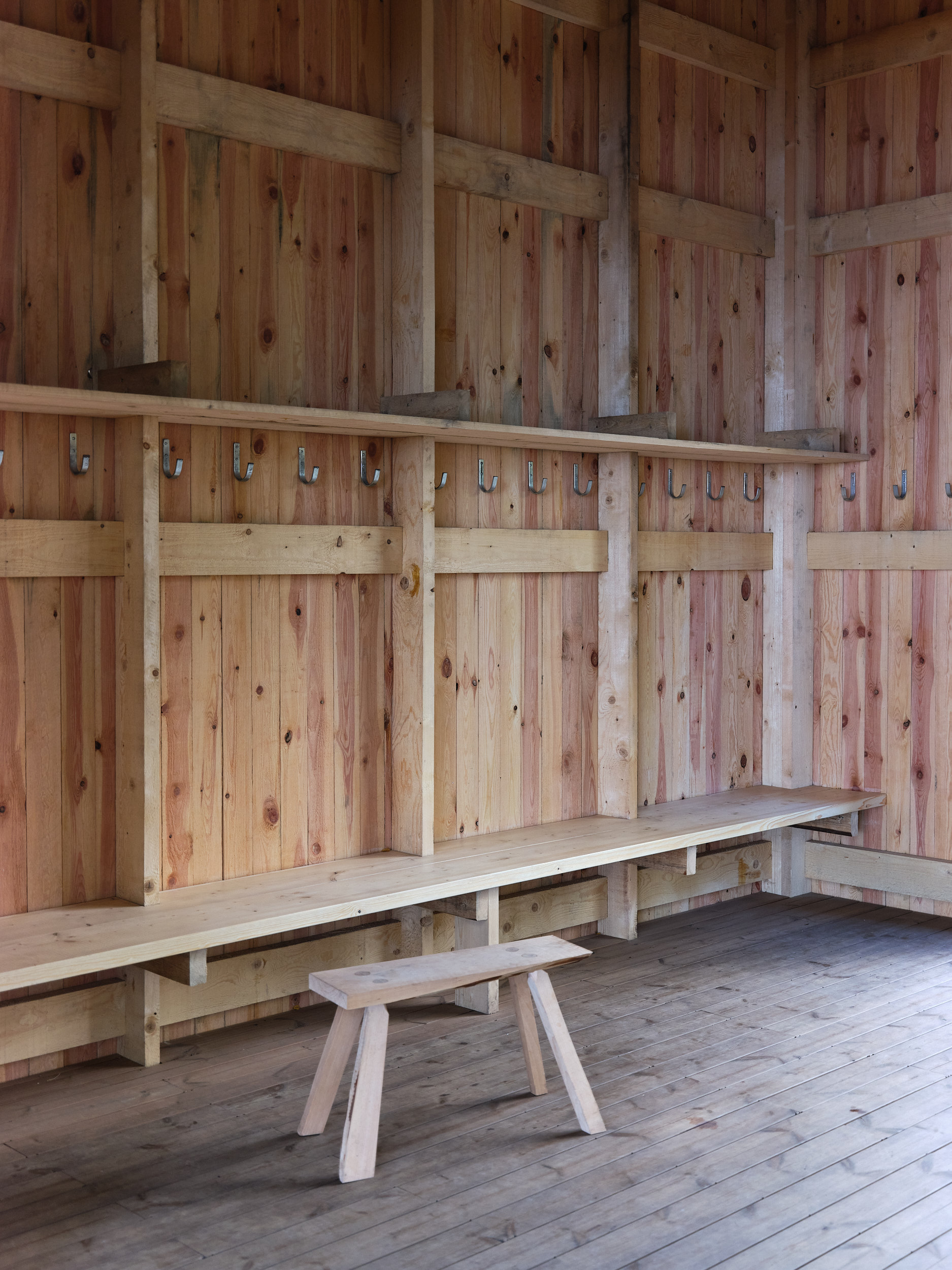
Photos: Aadam Kaarma
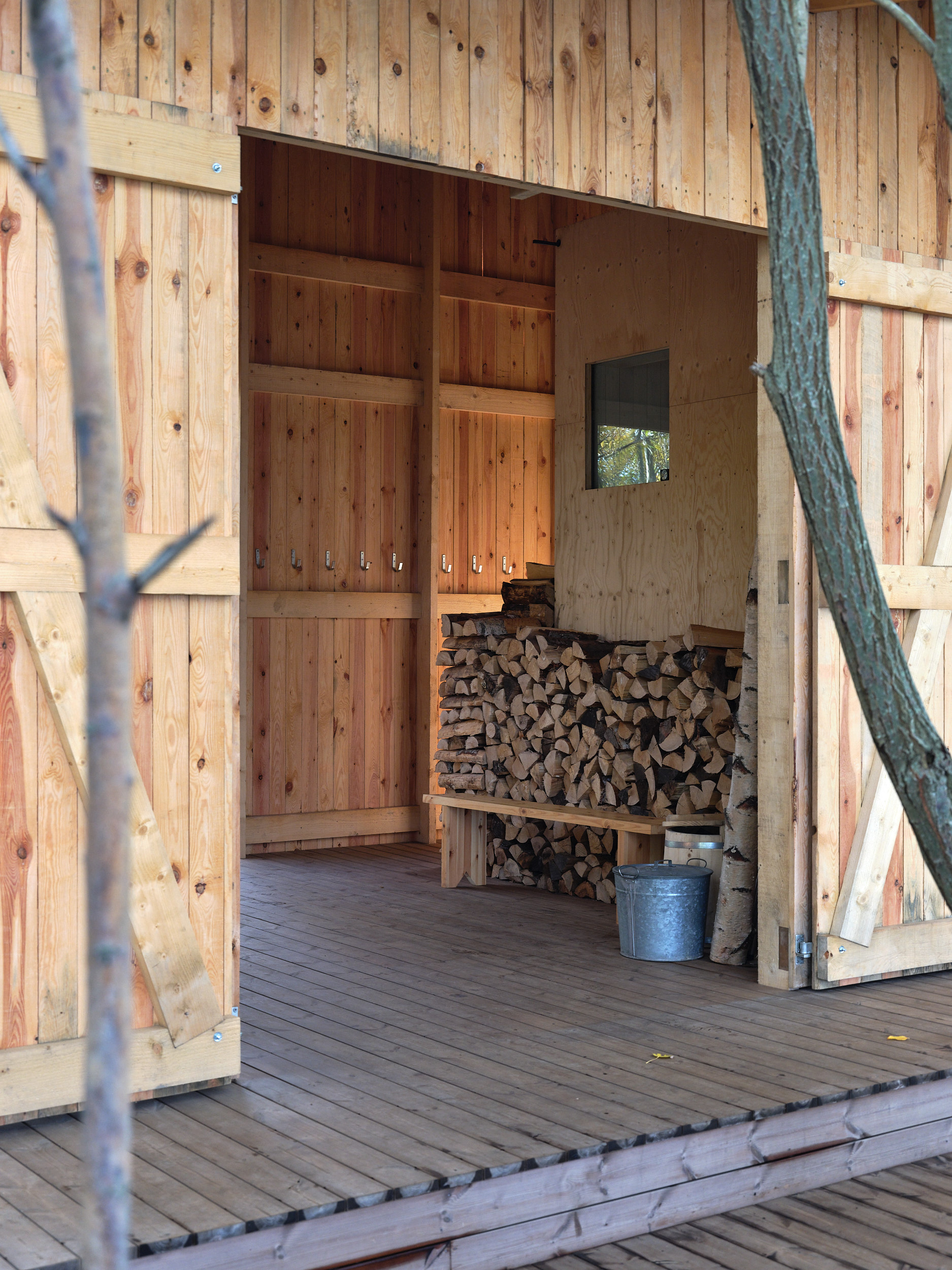
In designing the building, we also thought through the practical nuances of running a sauna. For example, the dimensions of the woodshed/changing cabin were partly determined by how much space was needed for firewood storage. Since there is no electricity, the windows were very carefully planned so that daylight would reach different rooms—hence for example the small lower window by the steam-room steps. In addition to the pathway of the sauna-goers, we also considered the schedule and the activities of the sauna heater. Our wood-burning stove needs to be heated for about 3–4 hours before sauna time. The sauna stays heated for about 6 hours, but the exact duration depends on the firewood, the heater’s skills, the weather, the number of sauna-goers, and the dexterity of those throwing steam. Thus, in designing the sauna, we proceeded from certain scenarios, but the actual truth would emerge only after the sauna was completed.
We also intended to keep the surrounding area as wild as possible—just as it was before. We did not want to overdesign or overbuild it. The surroundings feature rare plants, trees, shrubs—urban nature that is becoming increasingly hard to find in central Tallinn. We did not want to displace it but to preserve it. The sauna helped to create a balance, and we would hope that not only temporarily. It keeps the area alive without inviting asphalt or postmodern kerbstones.
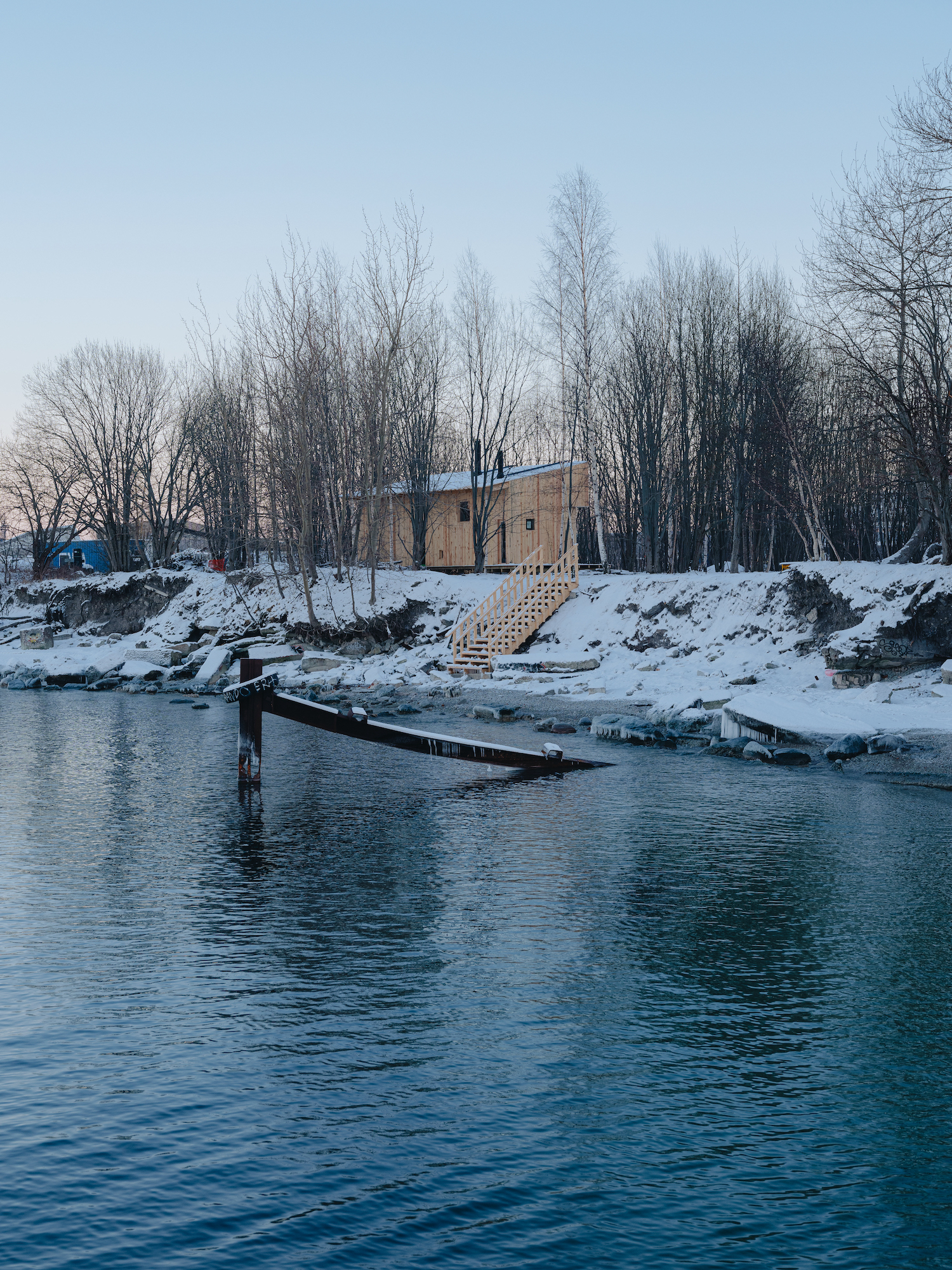
Photo: Tõnu Tunnel
DD, LLA: It is very much noteworthy that you are not only the creators of Logi Sauna, but also its operators. Implementing this project means that you now have years of work ahead.
KS, MS, RVF, LLU: Indeed. We brought the sauna to life and now we must take care of it. In addition to heating, cleaning, and fetching water, we have plenty of daily management and maintenance tasks, repair work, and development work.
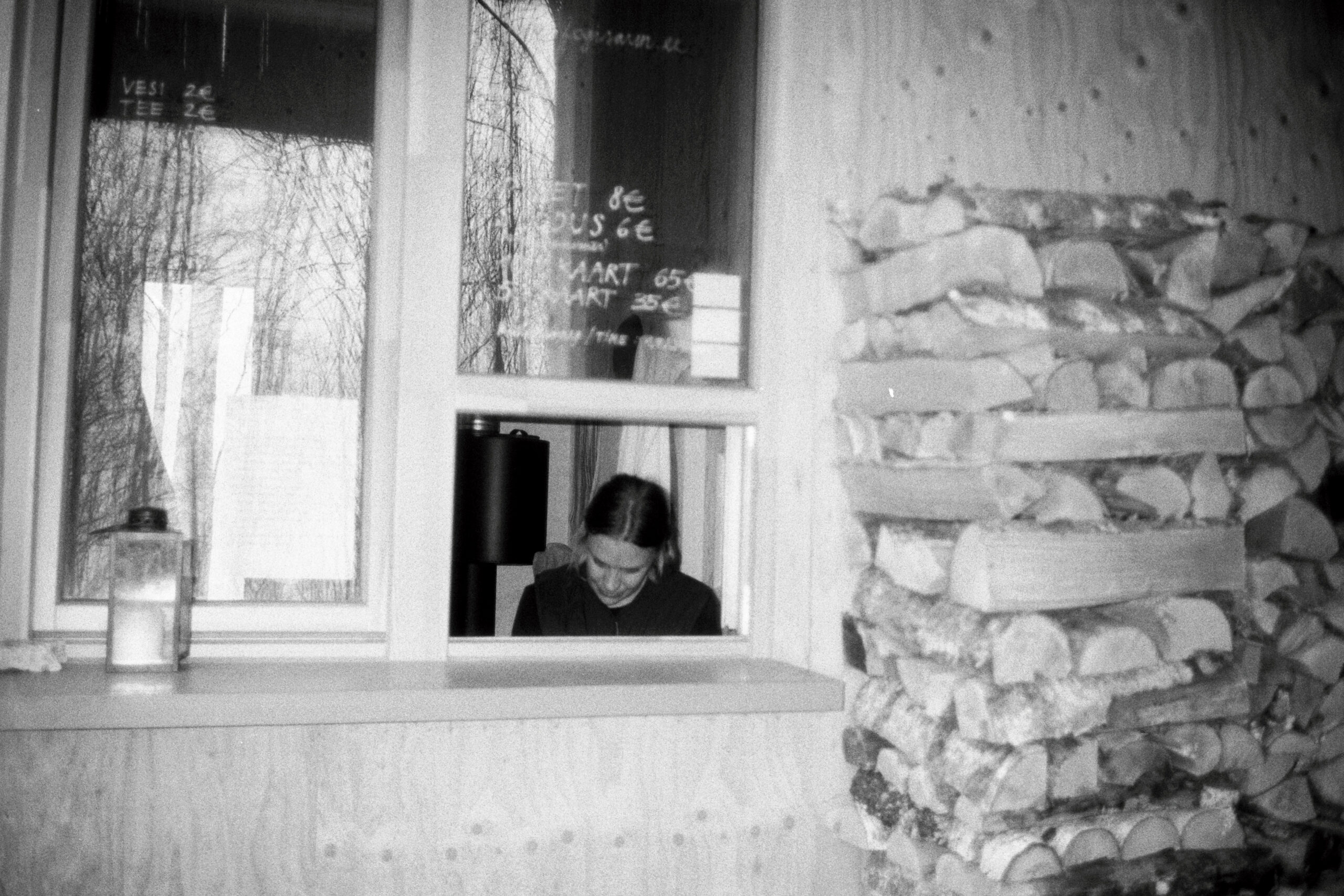
In planning the sauna, we consciously took certain risks, knowing that the building is temporary. For example, we gave the sauna a beautiful boarded roof, even though we knew that this solution might not work too well with a gentle roof slope. The roof indeed started leaking, the sauna-goers’ clothes got drenched, and we had to install new roof covering. We made the sauna by trial and error; we were all beginners in sauna building and sauna running. Thus, some things now need to be fixed, while others work better than expected. We still lack a rainwater collection system; the changing room was supposed to have a large round skylight, and the sauna’s sign is still just an A4 sheet on the window—but maybe that is for the best!
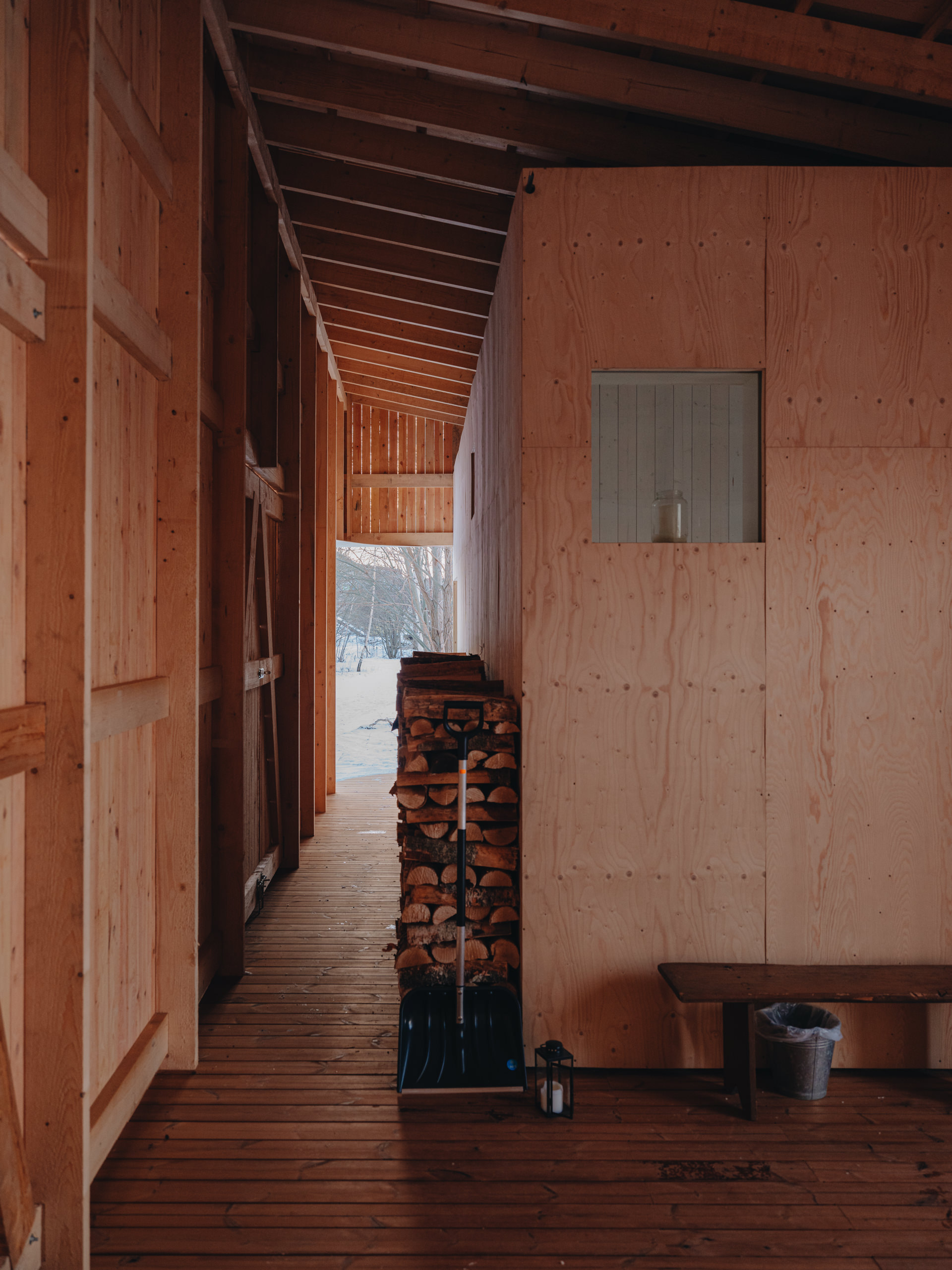
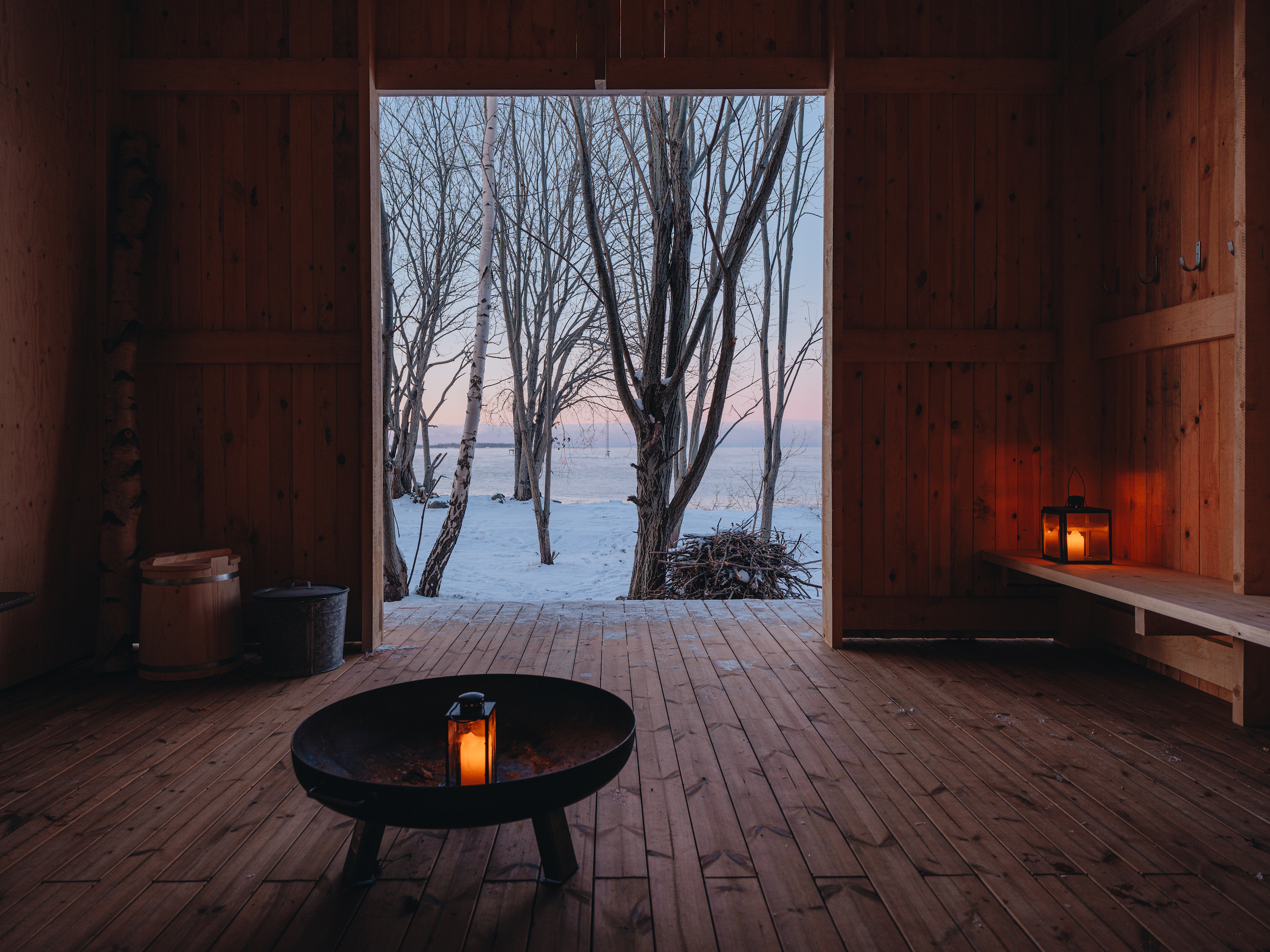
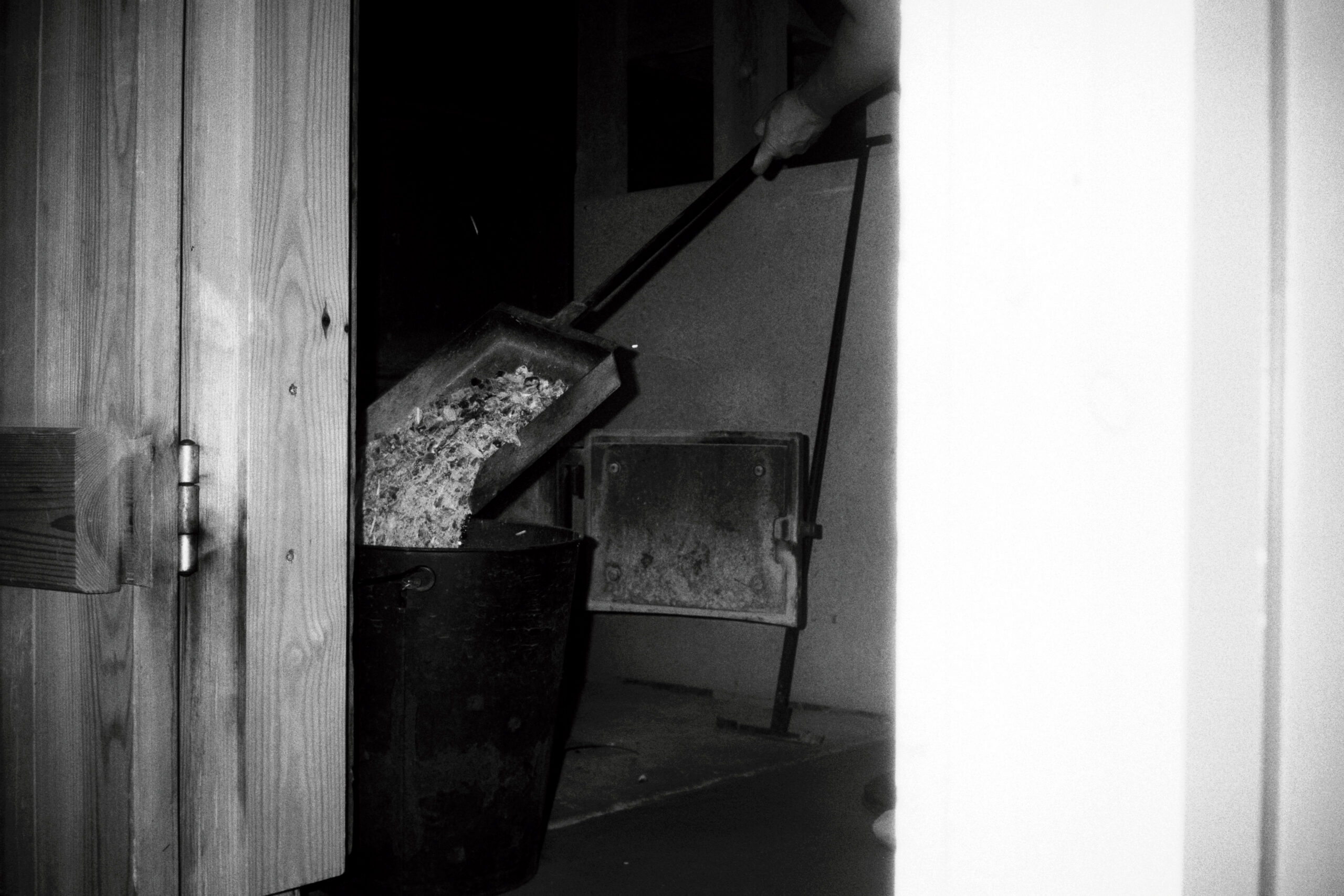
The actual functioning of the sauna with its actual users has become clear during its operation. We have now been open for almost two years; all the practical knowledge we have gained is becoming a bit like folklore and it keeps evolving. There are indeed many issues that need to be addressed. For example, which chimney sweeper to prefer? Where to buy firewood? How often to empty the dry toilet? Who fetches the water? How long to keep lost-and-found items? What about the dress code—nude, swimsuit, or towel? What community service should we assign to the teenager who made graffiti on the sauna and was caught by the police? What to do when the compost bin has once again burned? This is a small sample of things that come up daily in running the sauna.
We should emphasise that in addition to us, Logi Sauna has eight other dedicated heaters, who are indispensable in keeping the sauna warm so that the people of Tallinn could enjoy it together.
DD, LLA: How have you managed to retain your creativity?
KS, MS, RVF, LLU: This is exactly our aim in getting involved in civic initiatives and self-initiated projects—they enable us to maintain a connection with creative freedom. With such projects, we can choose both the rules of the game and the game itself. This is the best way to stay in touch with your original motivation and dreams. Creating something with your own hands is very empowering—it brings joy and helps you feel more alive in the digital age.
LINDA LI ARRO is an architect at LARStudio and a tutor at the Estonian Academy of Arts. DIANA DROBOT is an (archi)tect, urban designer, and co-founder of tektuur(archi)tecture praxis and club.
MARGIT SÄDE is a bricoleur, curator, and one of the initiators of Logi Sauna.
HEADER photo by Margit Säde
PUBLISHED: MAJA 3/4-2025 (121-122), with main topic WORK AND FOOD