Twelve respondents—offices, architects, and collectives—describe what they take to be the result of an architect’s work. Their answers are accompanied by images of workplaces and moments in which the result is most clearly seen.
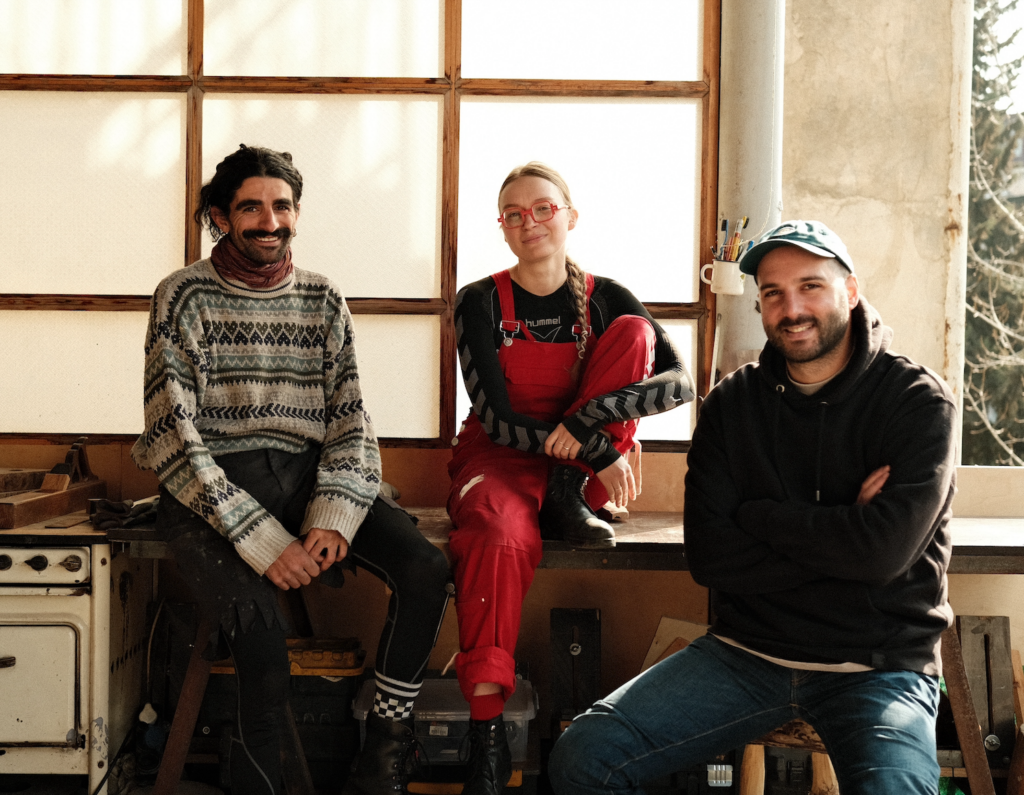
Garbage Kids is a collective of architects-turned-carpenters. The driving force behind their work is their frustration with a society that prioritises growth over sustainability and encourages overconsumption in a world with limited resources. In response, they use traditional craftsmanship and folk wisdom to create objects from found materials such as broken branches, scrap metal, and stones from abandoned quarries. Their practice strives to be intuitive, explorative, and free. Luka Abashidze, Ulla Alla, and Nika Gabiskiria share their thoughts.
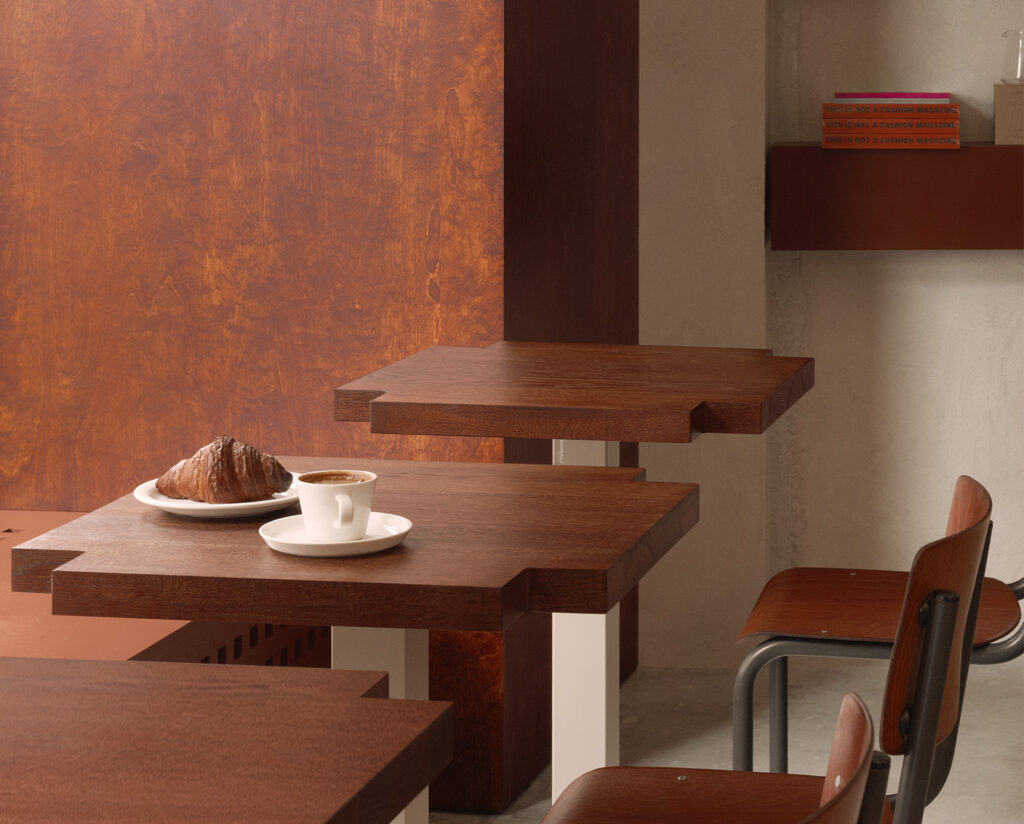
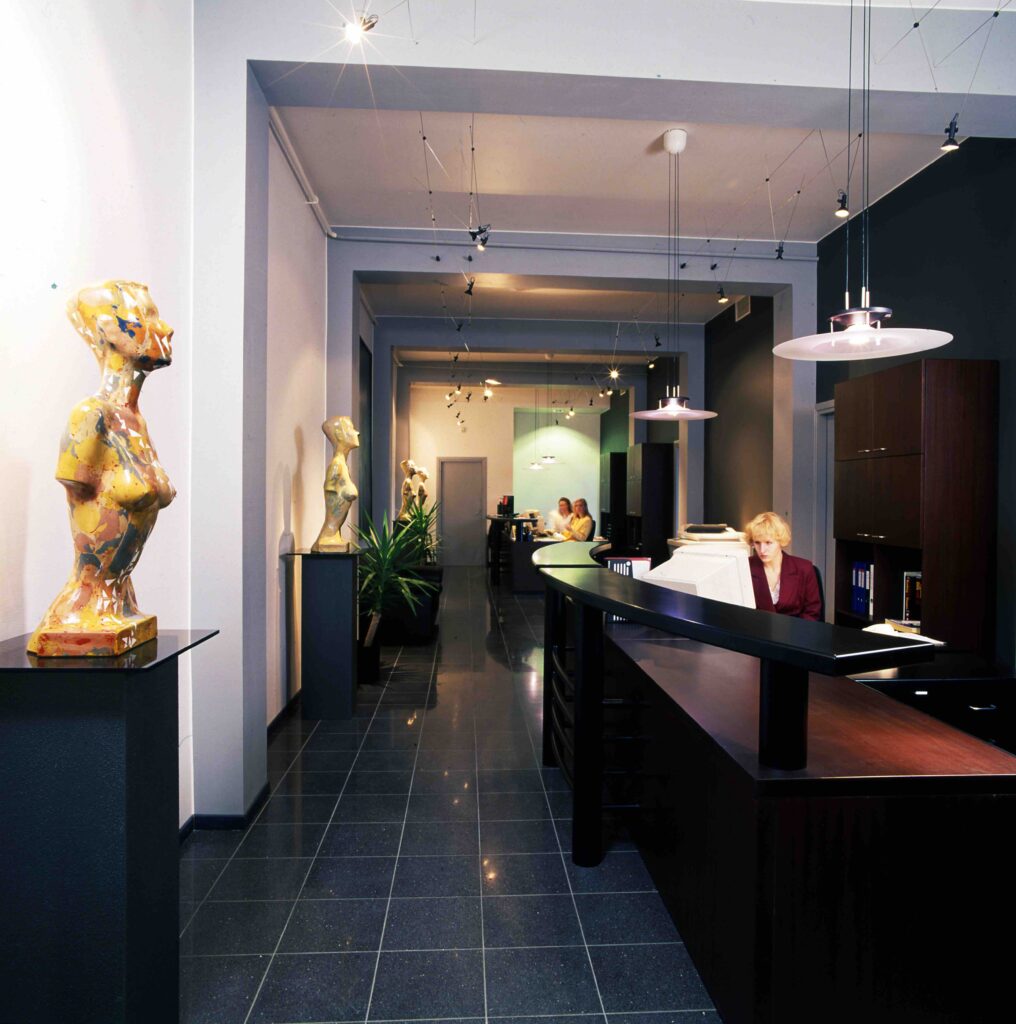
One spot offering coffee, pastries, and tables to sit at has set up shop on Pärnu Road, between a New Age shop and Reval Café. It is situated on the commercial floor of a six-story residential building designed in 1937 by architect Boris Chernov. Entering through a modestly recessed door- way, I find a simple, three-toned interior: grey, walnut brown, and Isabella white. Concrete, wood, plaster, and a bit of metal.
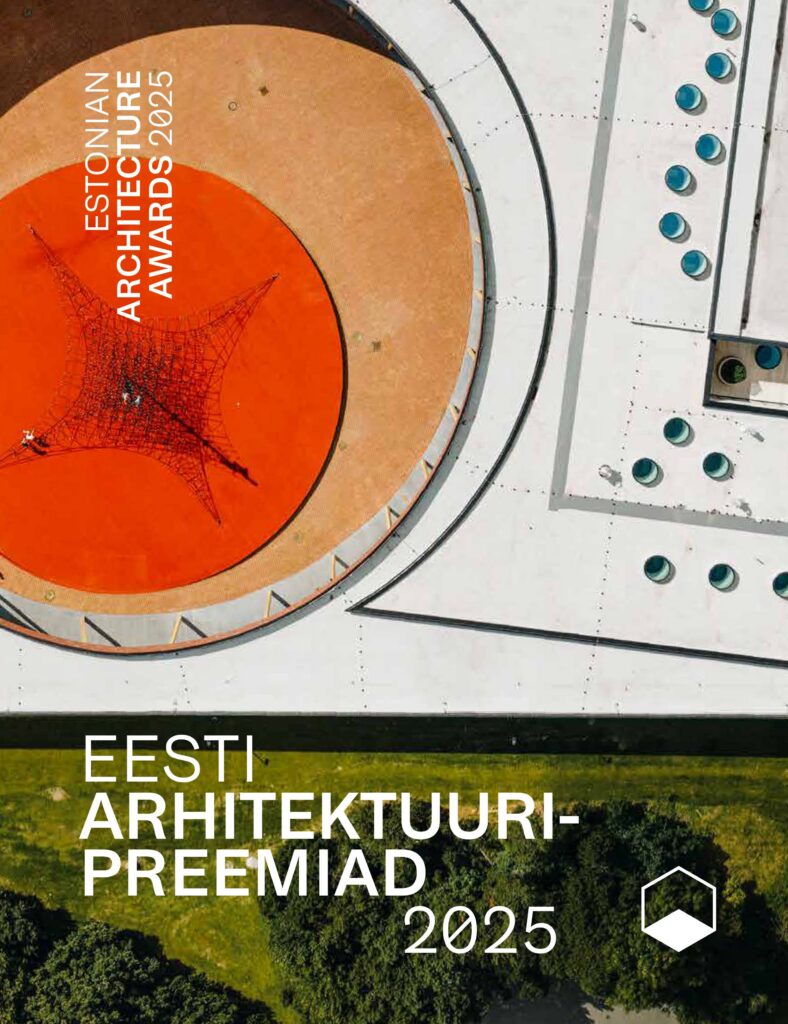
ARCHITECTURE AWARDS
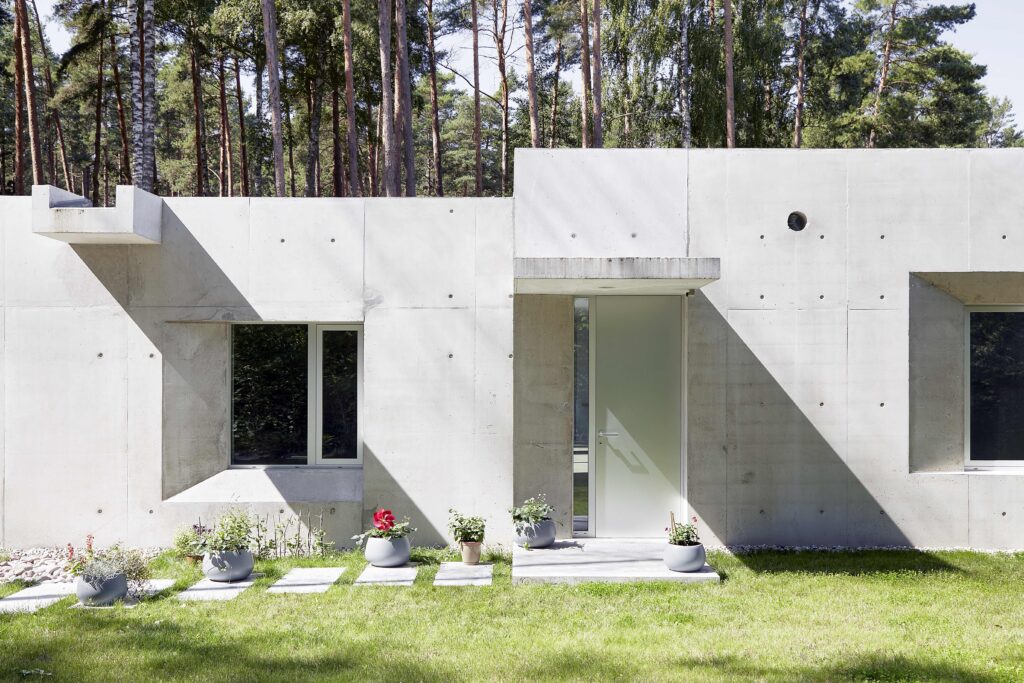
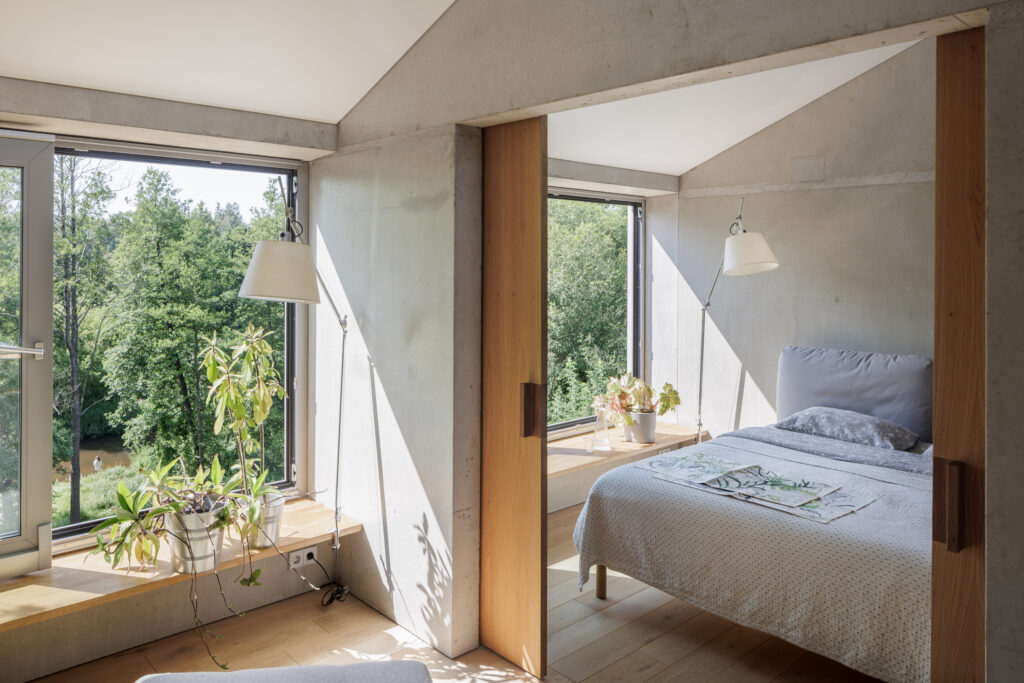
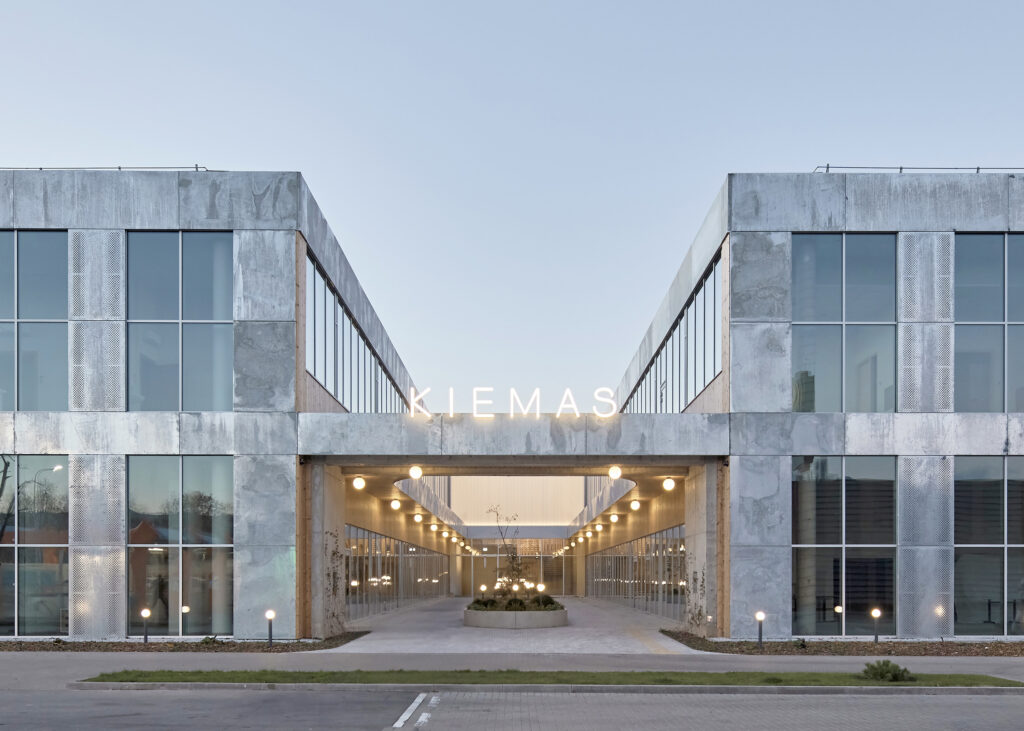
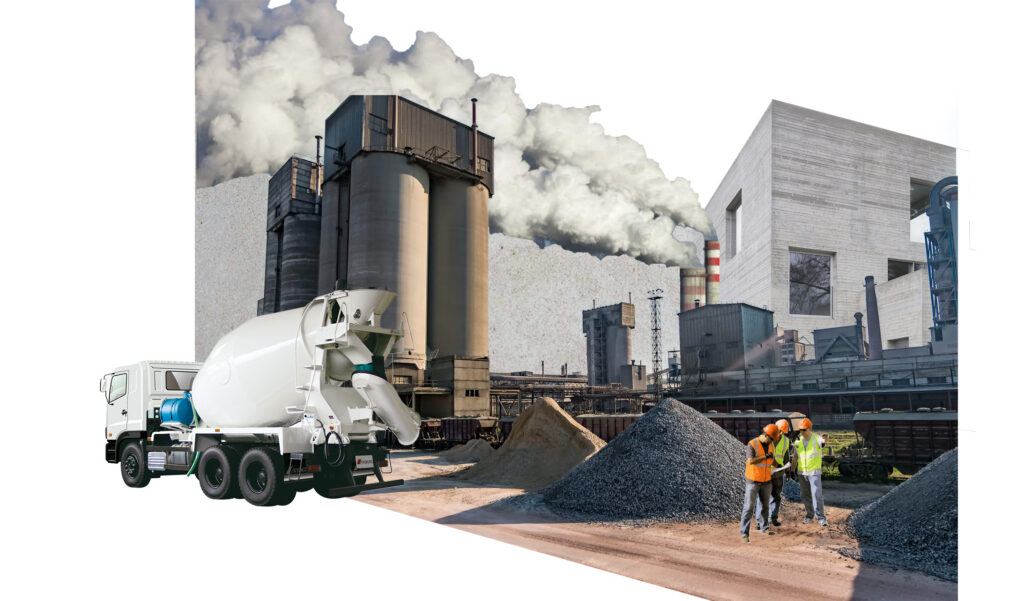
Concrete is durable but resource-intensive. Therefore, in the context of climate crisis and resource depletion, we must make sure we use it in an informed and responsible way, writes Kadri-Ann Kertsmik.
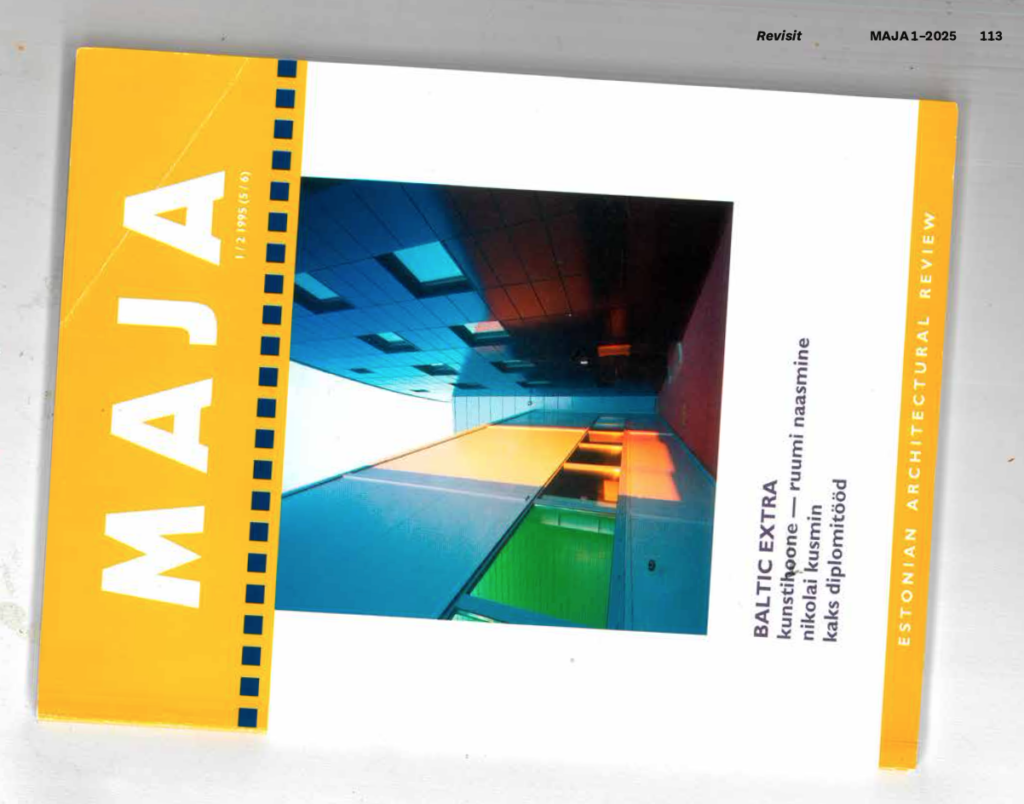
Hannes Aava shares some subjective tidbits about the last 30 years of spatial design in the Baltics.
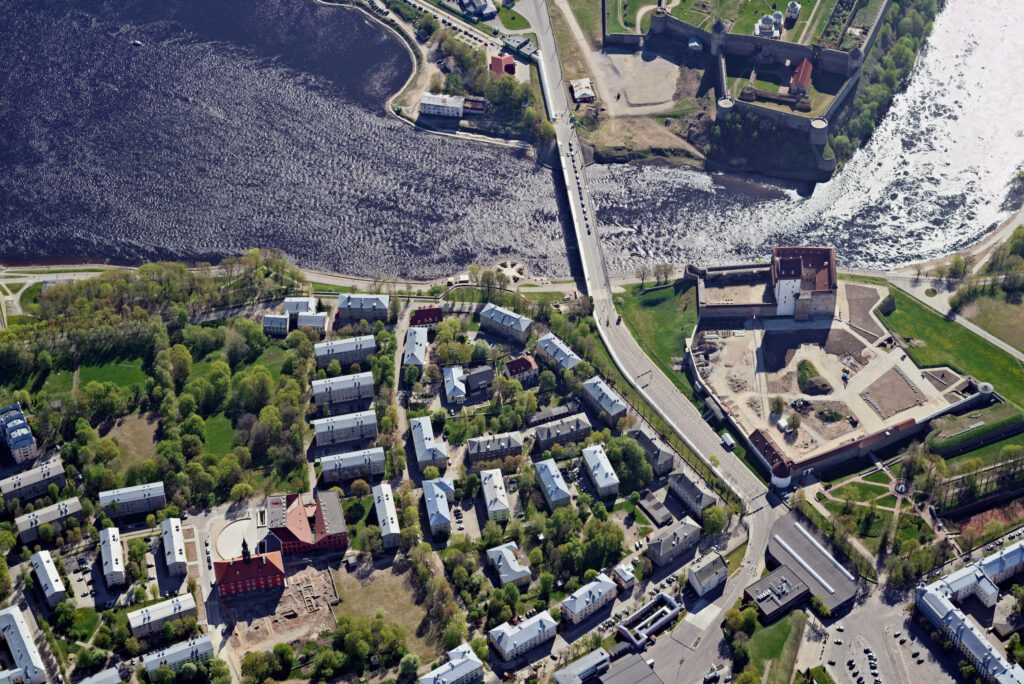
Francisco Martínez's and Joosep Kivimäe's inventory of spatial objects in Narva, a city on the Estonian border with Russia.
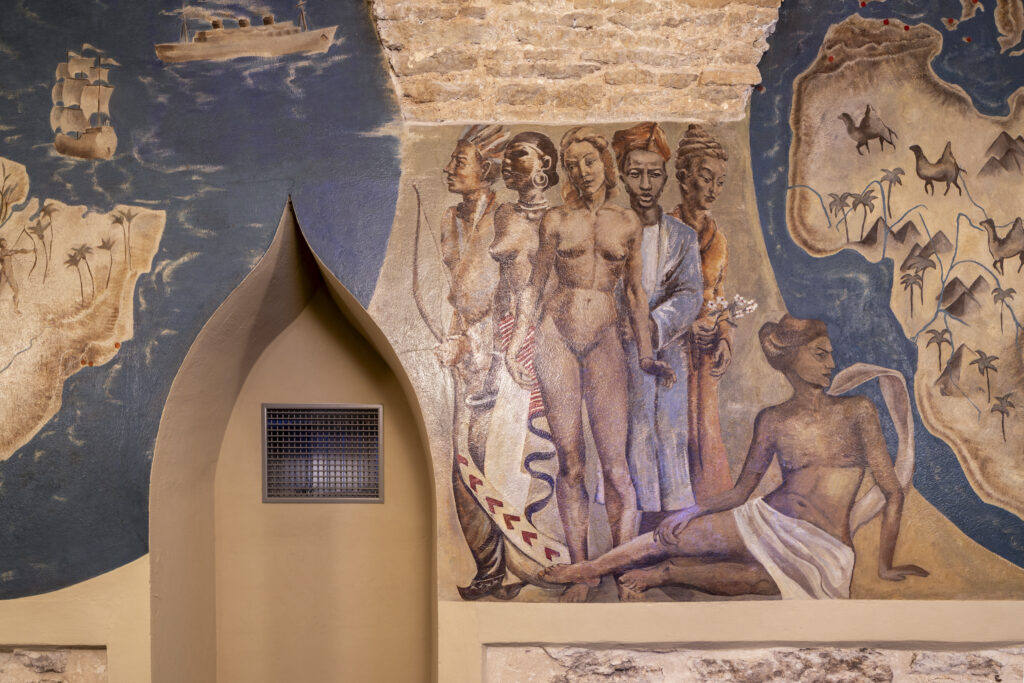
Simply removing the ‘foreign’ symbols offers no more than an ostensible solution, for dissonant heritage—a complex and controversial past, conflicting historical interpretations, etc.—need to be dealt with in a much more in-depth manner.
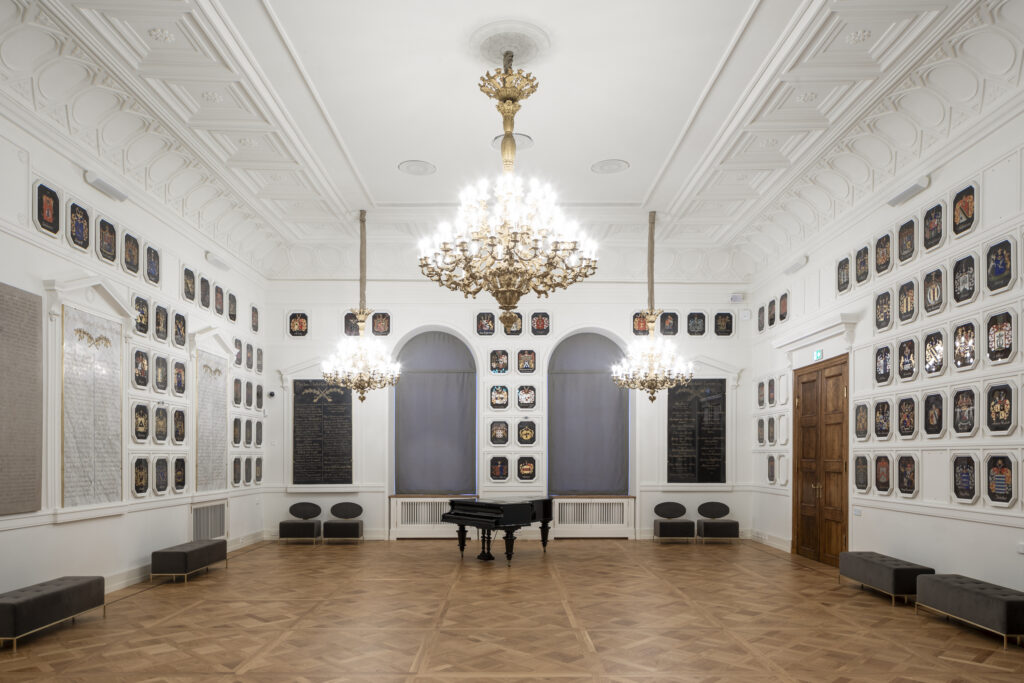
Hans Alla writes about the interesting nuances of the interior of the Knighthood House.
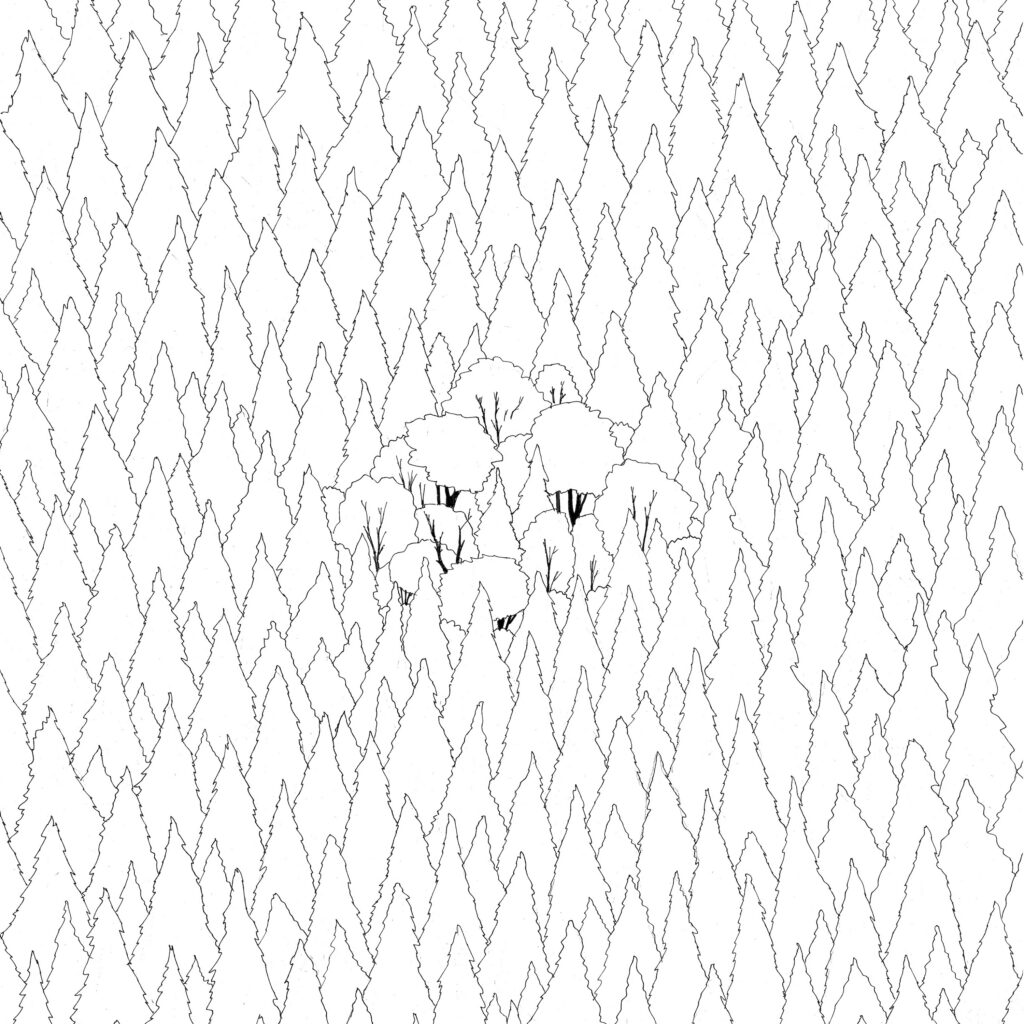
Architect Toms Kokins investigates the impacts of transnational forestry industry on the Baltic cultural landscapes.
No more posts
Editors' choice
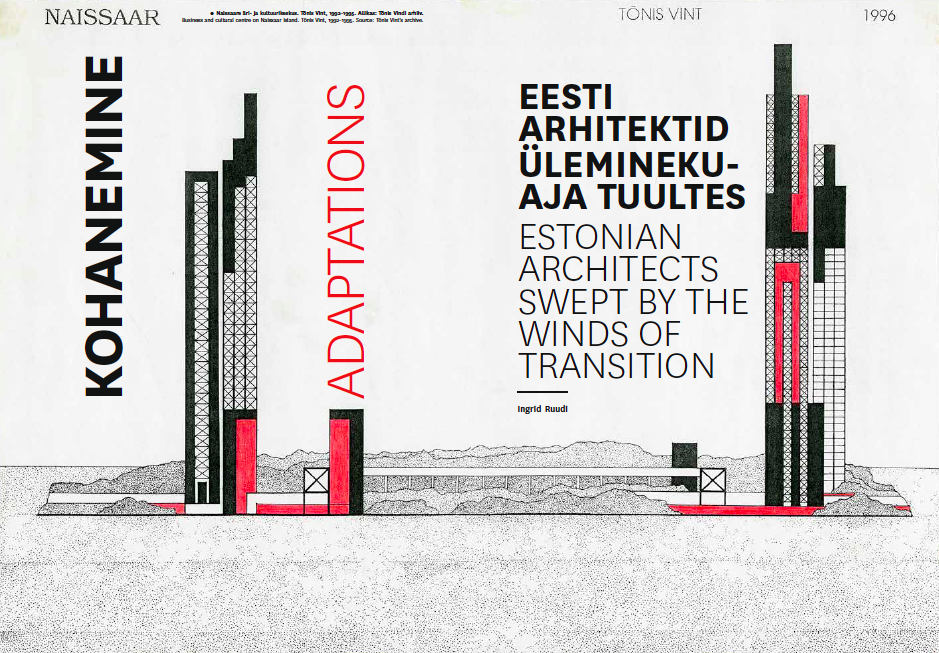
Little was built following the re-establishment of Estonian independence in the early 1990s, however, the debates held and practices established largely came to set the foundations for the dominant issues in the architectural field in the past decades.
No more posts
Most read
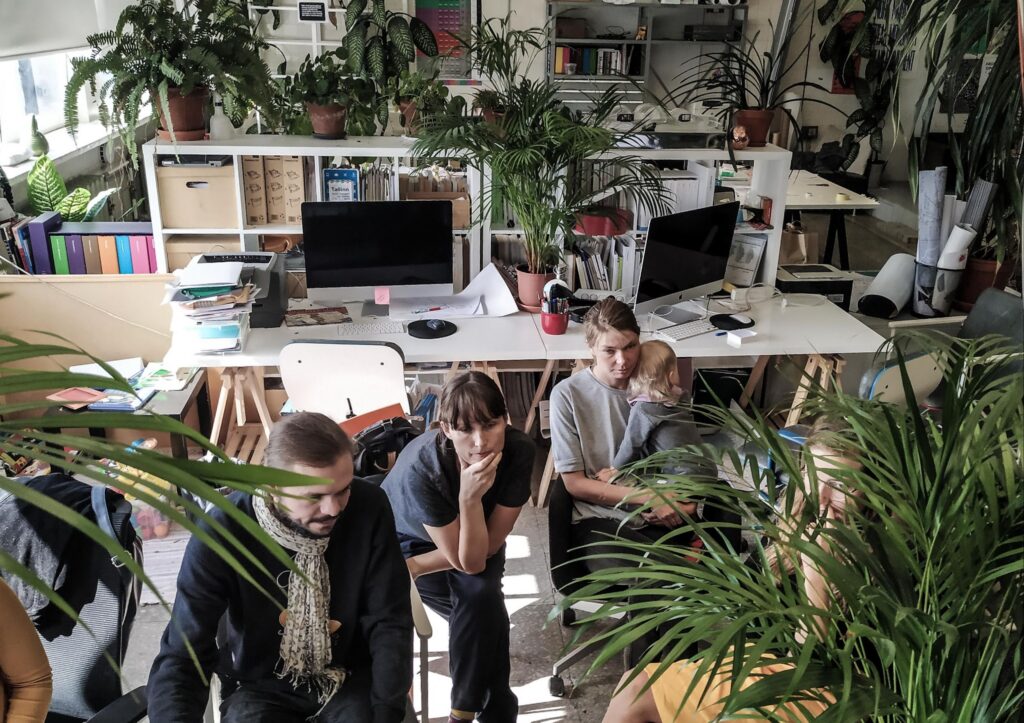
We have gained an unprecedented amount of trust from our employers. Work has suddenly become dispersed, taking place asynchronously at different locations and different times. One gets a sense now of deeper reflection on how companies should organise their work and inspire their workers. This has led to a shift in understanding—what takes place within the environment has begun to affect the environment itself and its fundamental idea, which in turn guides the aesthetic decisions on space.
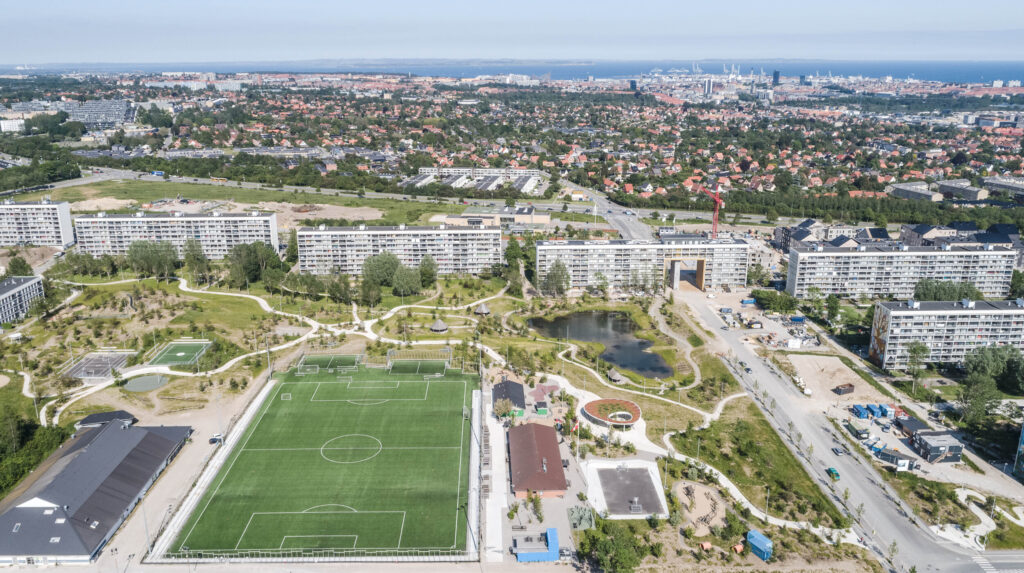
So far, residential renovation has mainly targeted single buildings, but the idea of area-based renovation is becoming increasingly widespread.
Kõigepealt tuleb arutleda selle üle, mida saab üldse tühermaaks pidada. Kindel on see, et tühermaa on linnalooduse osa, kus inimese mõju on väga selgelt näha ja tunda. Võiks ehk isegi öelda, et tühermaa on inimtekkeline. Seal võib kohata varemeid, lagunenud taristut, ehitusjäätmeid ja muud. Kui püüame sõnastada definitsiooni, siis saame öelda, et tühermaa on inimese kasutatud ala, mis on seisnud aastaid kasutuseta ja mille loodus on aastatega üle võtnud. Kindlat piiri, mis on tühermaa, mis mitte, on siiski üsna raske tõmmata. Tallinna Ülikoolis oleme põhjalikumalt uurinud Lasnamäe tühermaid ja järgnevad suuremad üldistused teen just nende põhjal.
A building may use its own words to speak its own truth, despite the utterings of the system it belongs to. As such, a building may also be quite quiet, in a pleasant way. Calm and unintrusive.
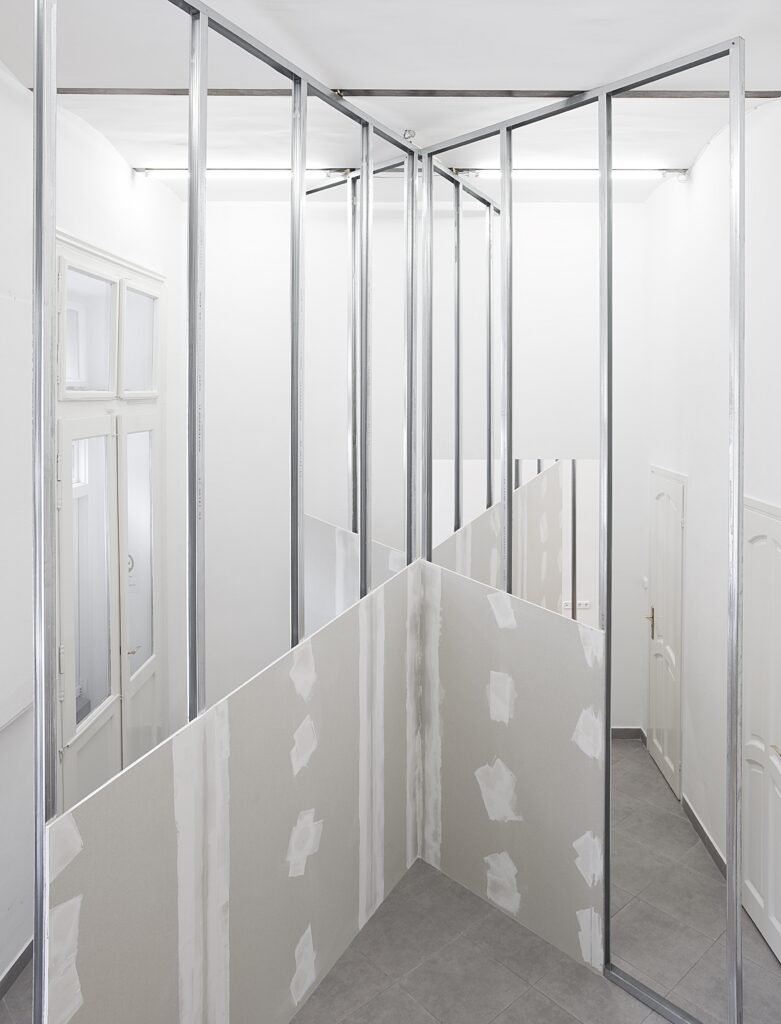
The group exhibition, The Houses We Need at Estonian Museum of Architecture (11.06-21.11.2021) showcases 16 commissioned designs for houses ‘with the aim of ensuring a more beautiful, secure and peaceful future on planet Earth’.
The 17th Venice Biennale of Architecture. Next to physical construction, projects awarded by the jury exhibit the importance of weaving social networks.
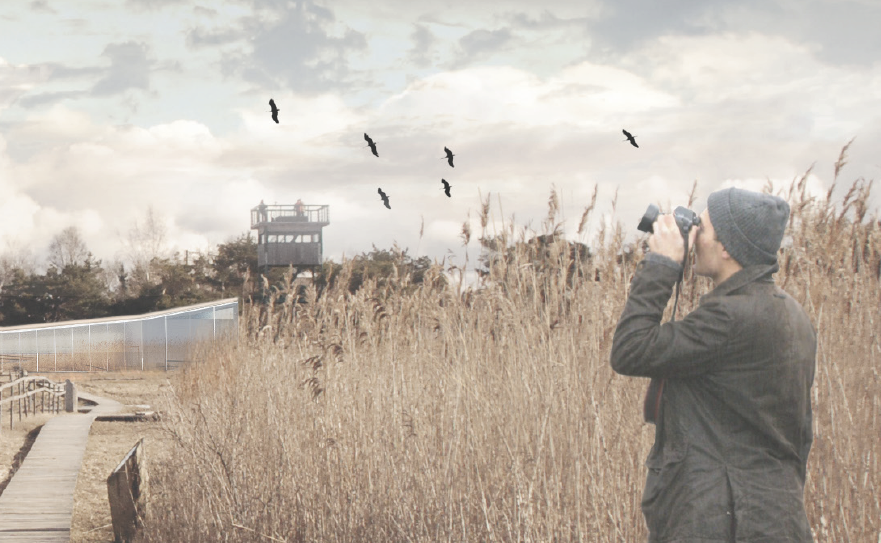
Delving into characteristic coastal community places is one option for boosting Estonia’s coastal landscapes. The selected coastal cultural spaces – Liu boat workshop, Kabli bird station and the former polder field with an abandoned pump station – are places on the coast of Pärnu Bay that are worth reviving for the benefit of locals and visitors alike.
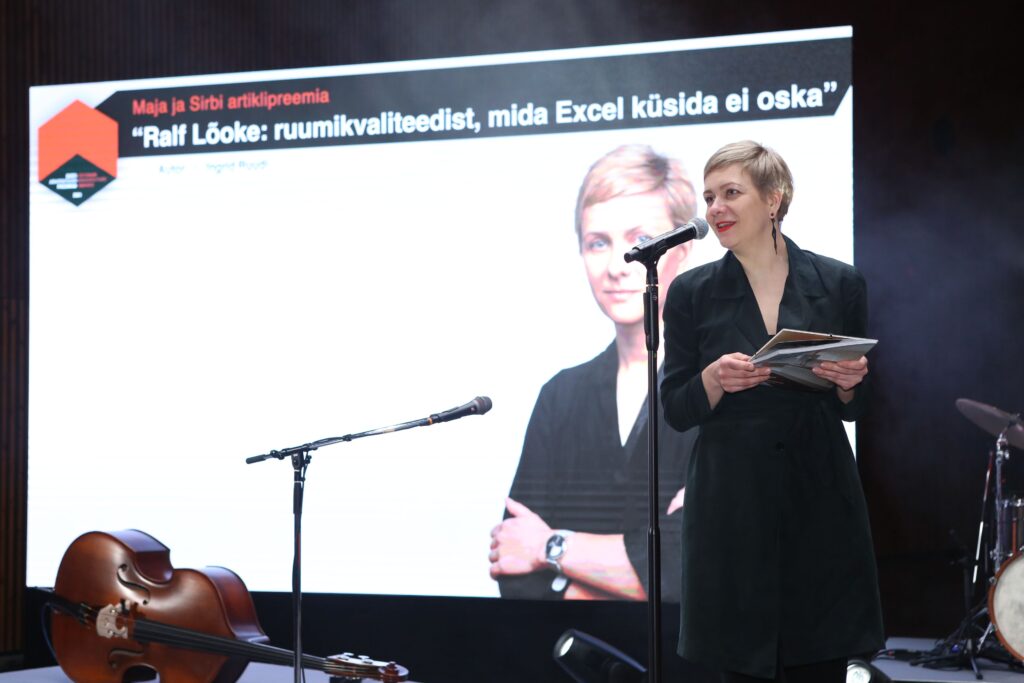
The nominees and winners of this year’s Maja and Sirp Publication Award were selected by historian, cultural critic and assistant professor at the University of Southern California Aro Velmet, who highlighted the articles’ bold takes on broader social issues.
No more posts
Replies by Ott Kadarik (Kadarik Tüür Architects, author of Kalaranna 8 buildings) and urbanism-related Facebook group ‘Mitte_tallinn’
No more posts