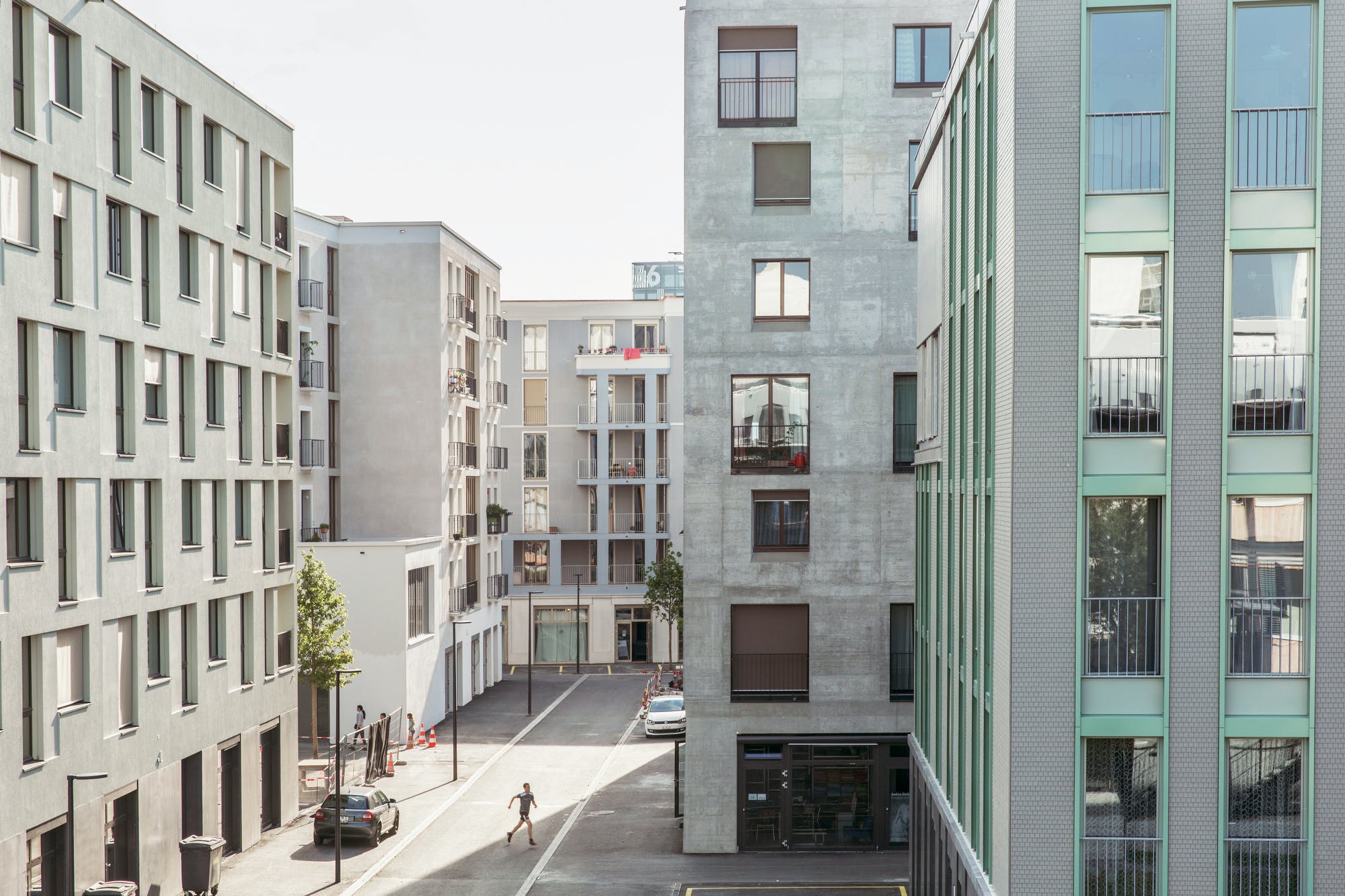
Community-Lead Housing
Community-led housing development is leading the way from speculati ve to non-profit housing construction models. Eneli Kleemann and Helena Rummo discuss the spatial possibilities that come with it.

 kaire
kaire
Community-led housing development is leading the way from speculati ve to non-profit housing construction models. Eneli Kleemann and Helena Rummo discuss the spatial possibilities that come with it.
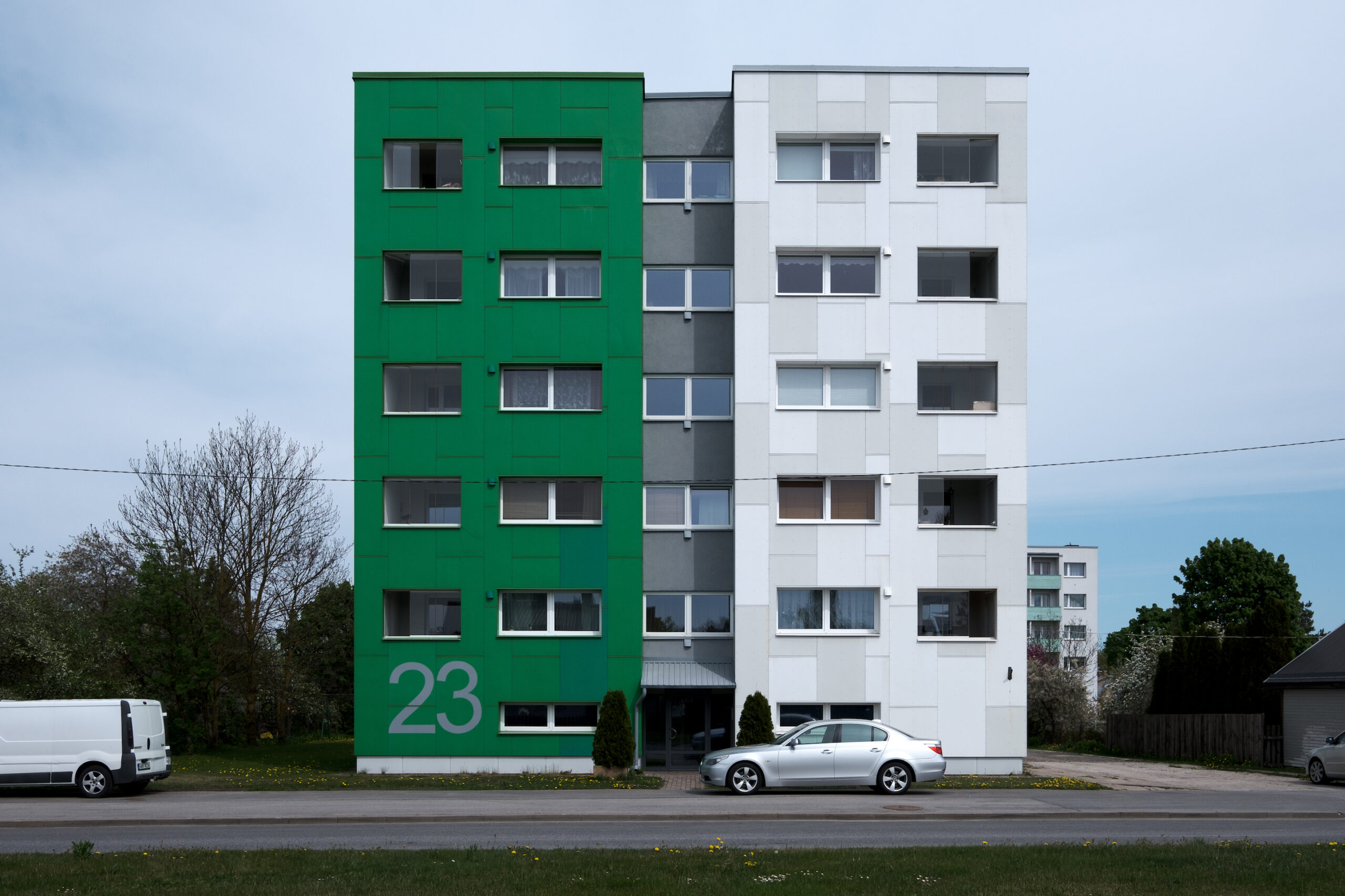
Improving the architectural quality of the existing housing stock requires integrating engineering solutions with architectural decisions. In the ongoing renovation marathon, it is important to discuss what kind of added value could be drawn from the existing to unleash the full spatial potential of renovation and to create good user-friendly spaces, writes Diana Drobot.
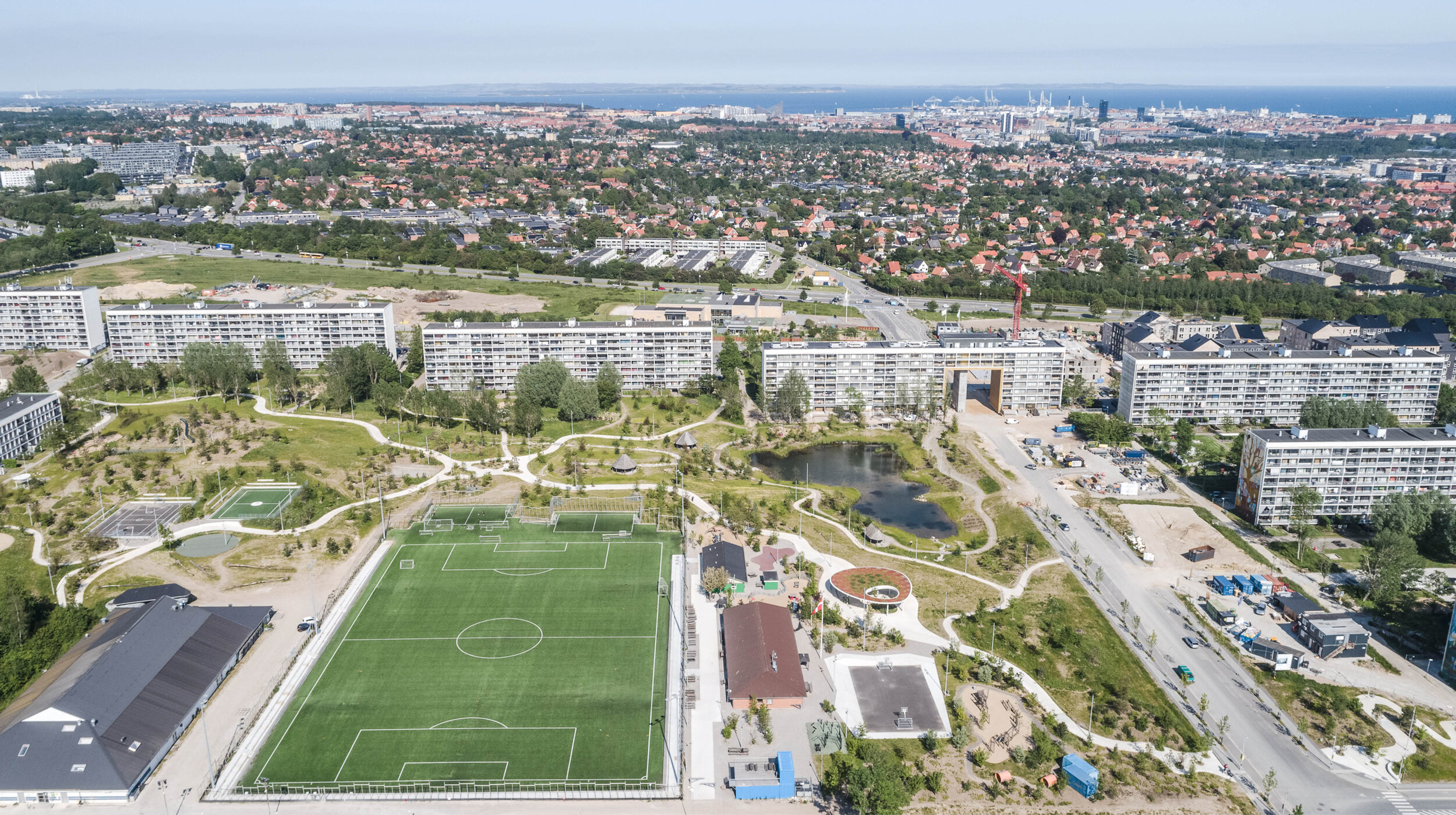
So far, residential renovation has mainly targeted single buildings, but the idea of area-based renovation is becoming increasingly widespread.
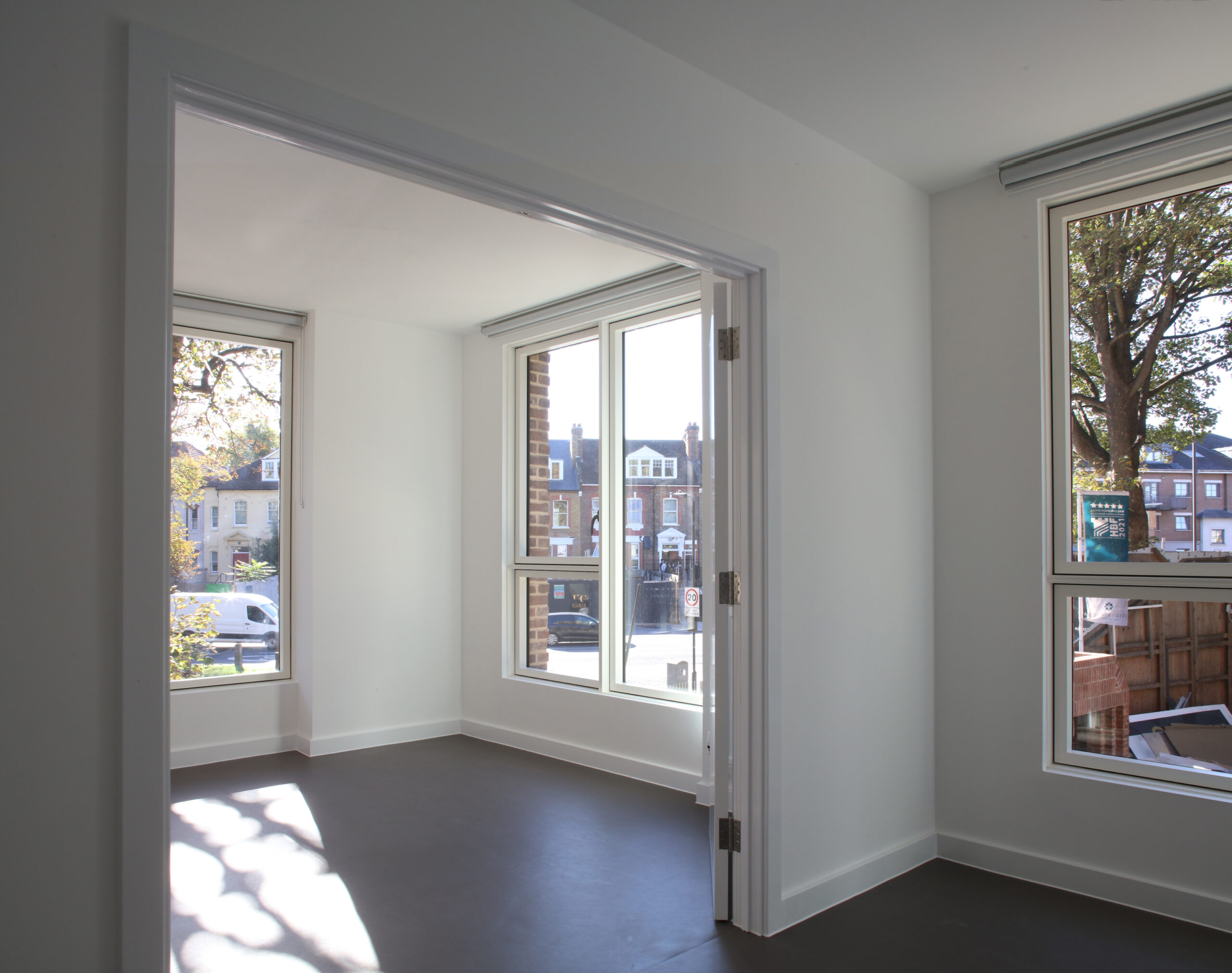
The Danish architect Mette Johanne Hübschmann analyses the domestic interiors of similarly speculative housing development from a feminist standpoint.
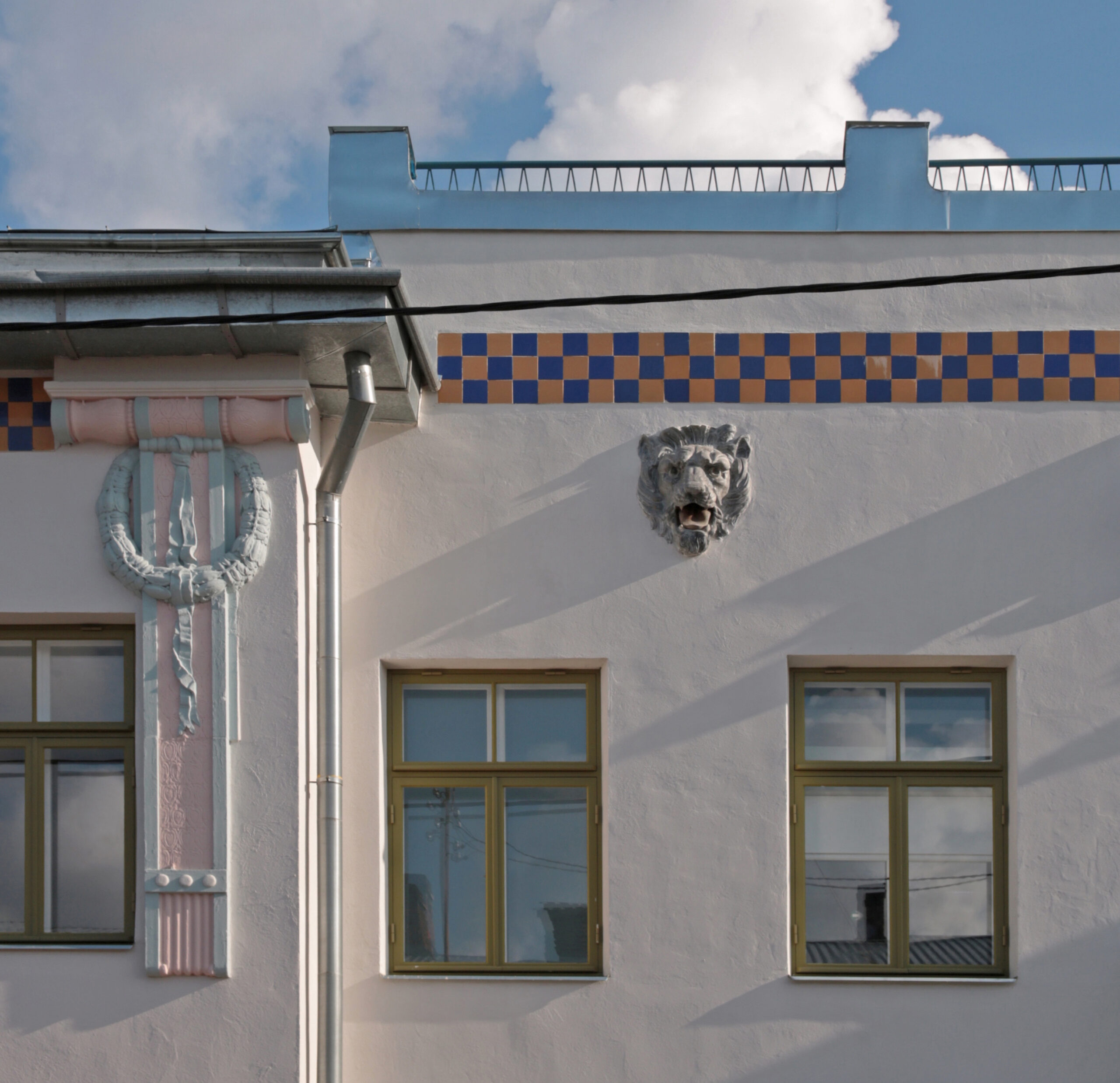
When it comes to housing policy, we talk about something very dear to all of us—our homes. Now is a good time to review what we have already accomplished, and to detect the main shortcomings and obstacles but also the missed opportunities in developing the housing sector. The topic is discussed by the Head of Housing Policy of the Ministry of Climate Veronika Valk-Siska.
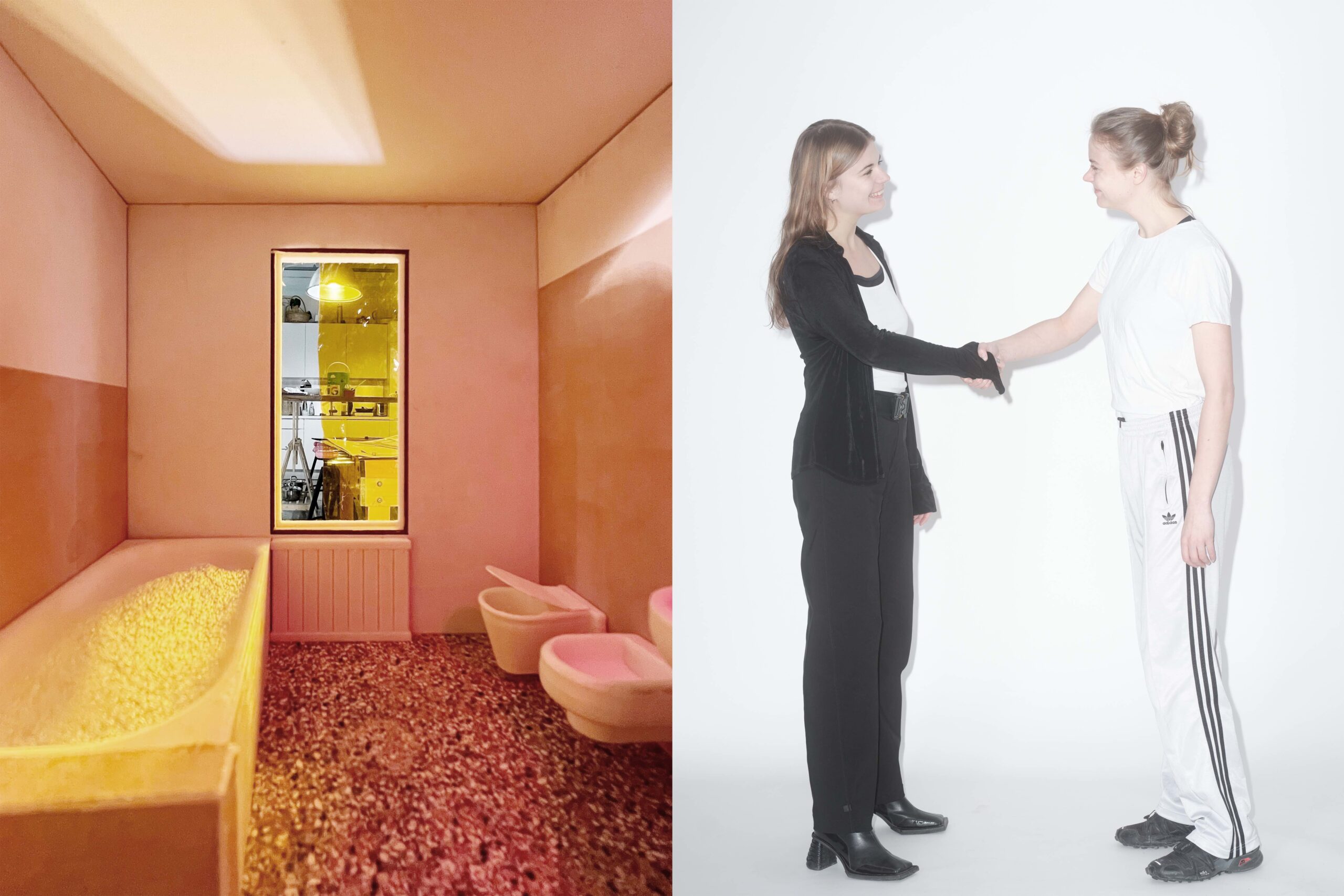
Why not set a higher value on dispersal? Instead of living in just one place, and trying in vain to gather yourself together there, why not have five or six rooms dotted about Paris?
Most people are more or less consciously preparing for old age, the most ordinary and nationally approved preparation consisting in accumulating money into pension funds. Are we opening Pandora’s box when we ask how and if these most common investment funds affect environmental and social developments now and in the near future?
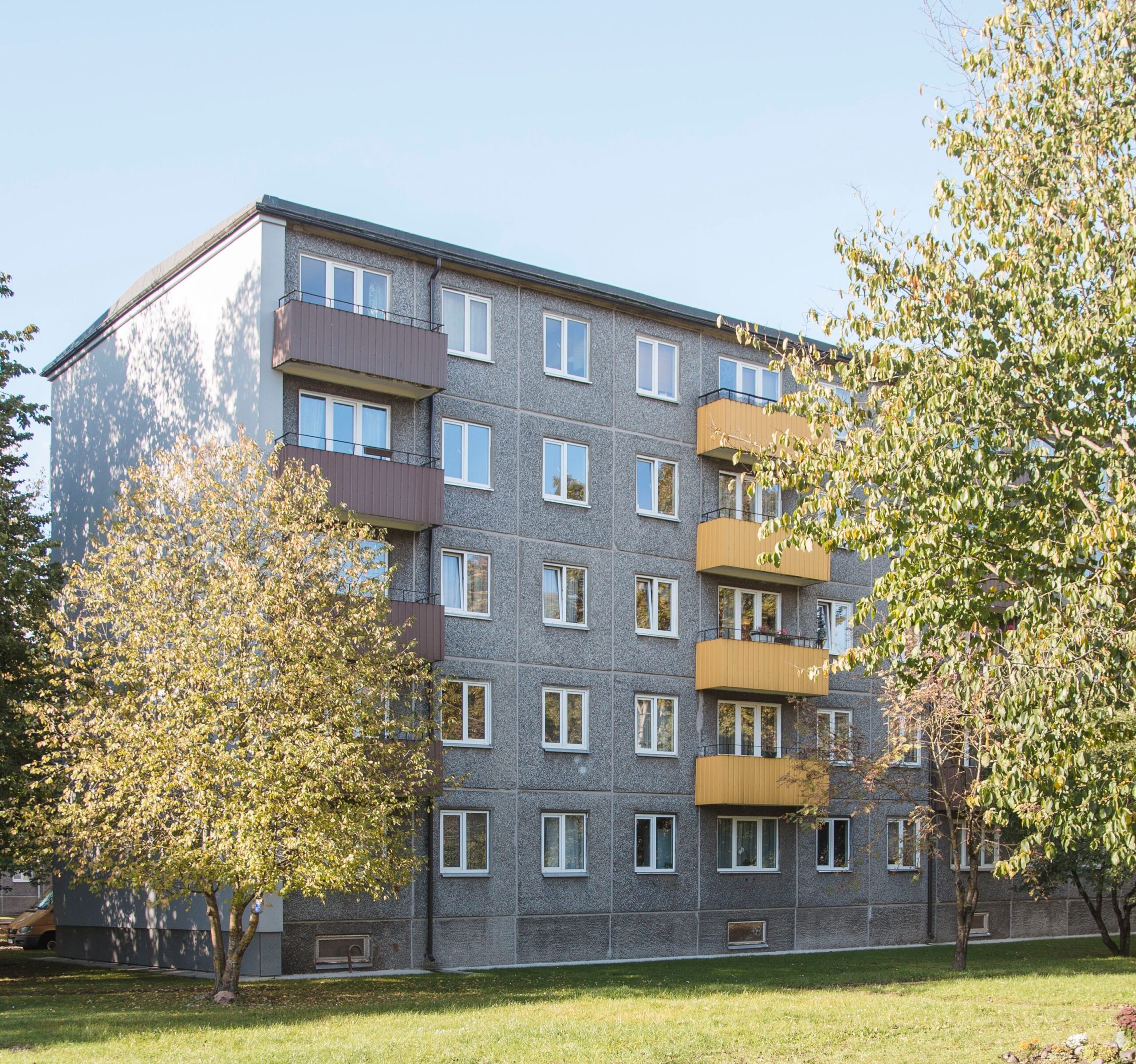
The expiration of a building’s service life does not mean the building has exhausted itself, say Simo Ilomets and Anni Martin. They see the renovation of Estonia’s ageing housing stock and the reuse of building material as a technical as well as a creative challenge where architects’ involvement is essential.
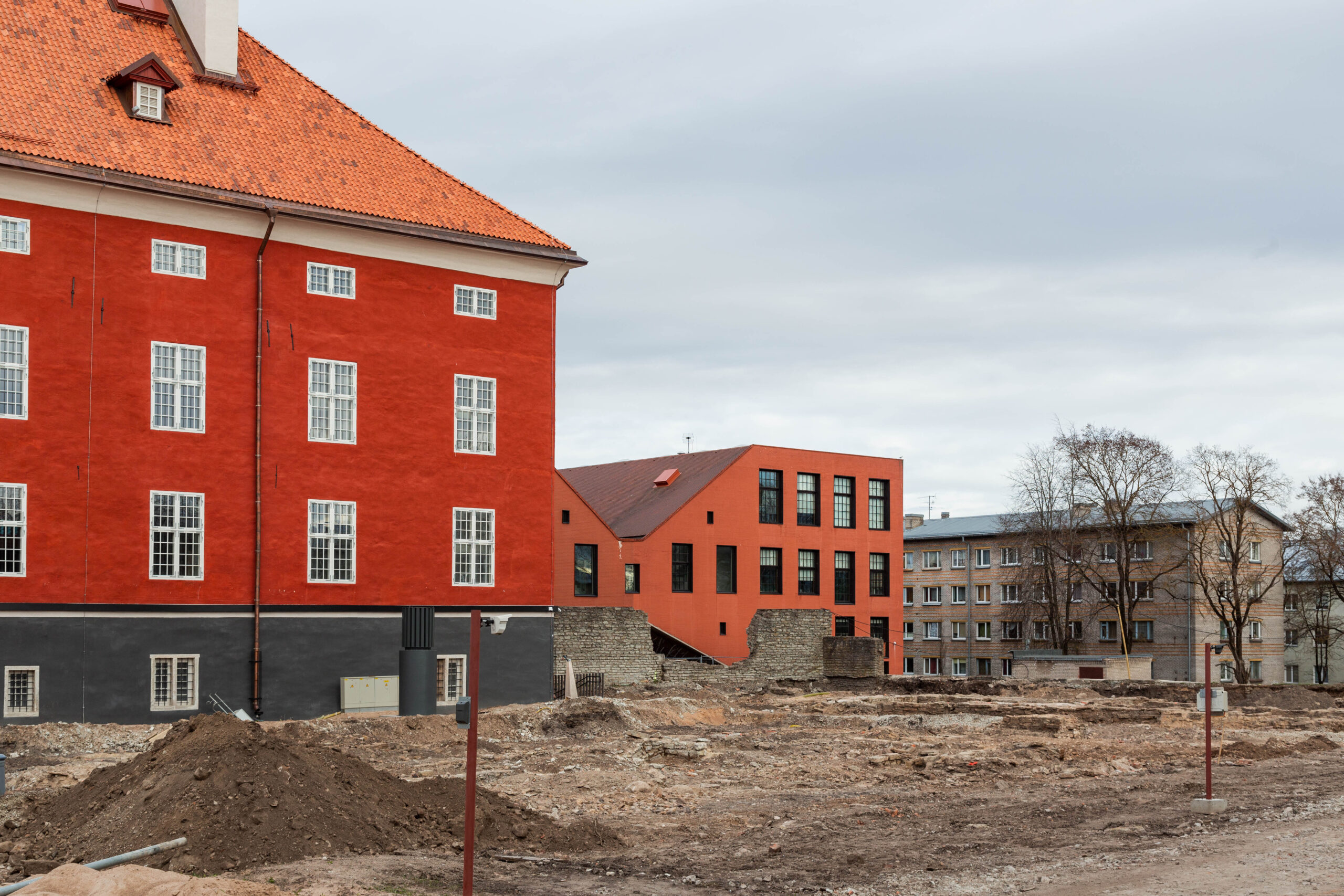
For many years, a dumb witness to the rich history and architecture of Narva on the wasteland bordered with Soviet brick apartment buildings, the Town Hall of Narva is about to be revived, Madis Tuuder accounts.
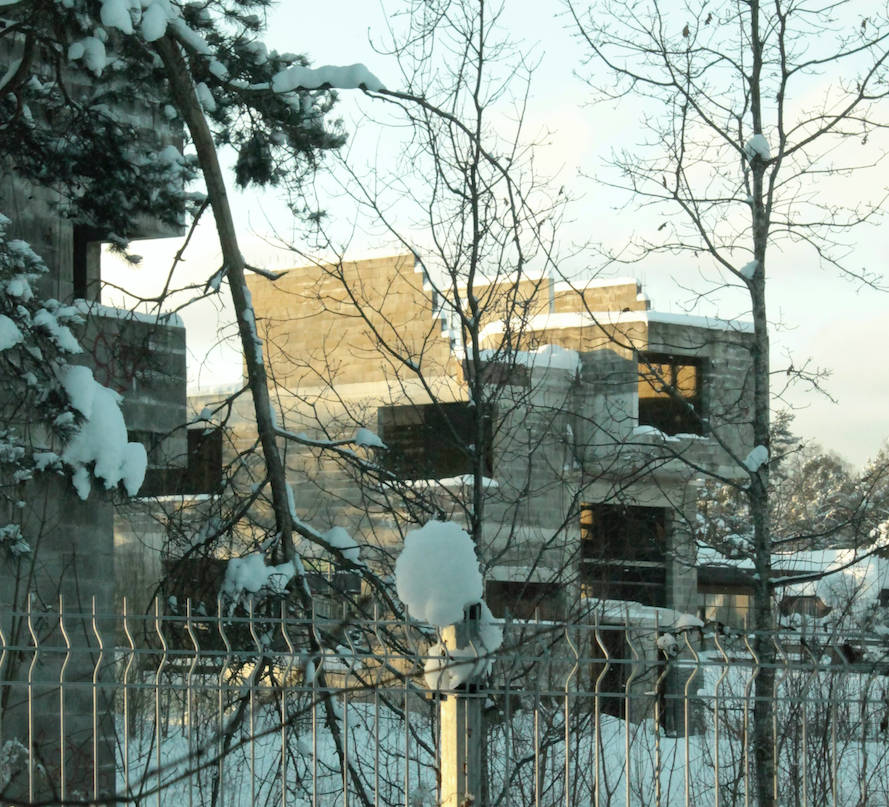
Any kind of construction must be stopped. Based on her Master’s thesis ‘30 Years of Pause. Research about doing not’ that she defended at the Eesti Kunstiakadeemia / Estonian Academy of Arts in 2021, Ulla Alla asks, “Is it enough already?”