RUUMILOOME

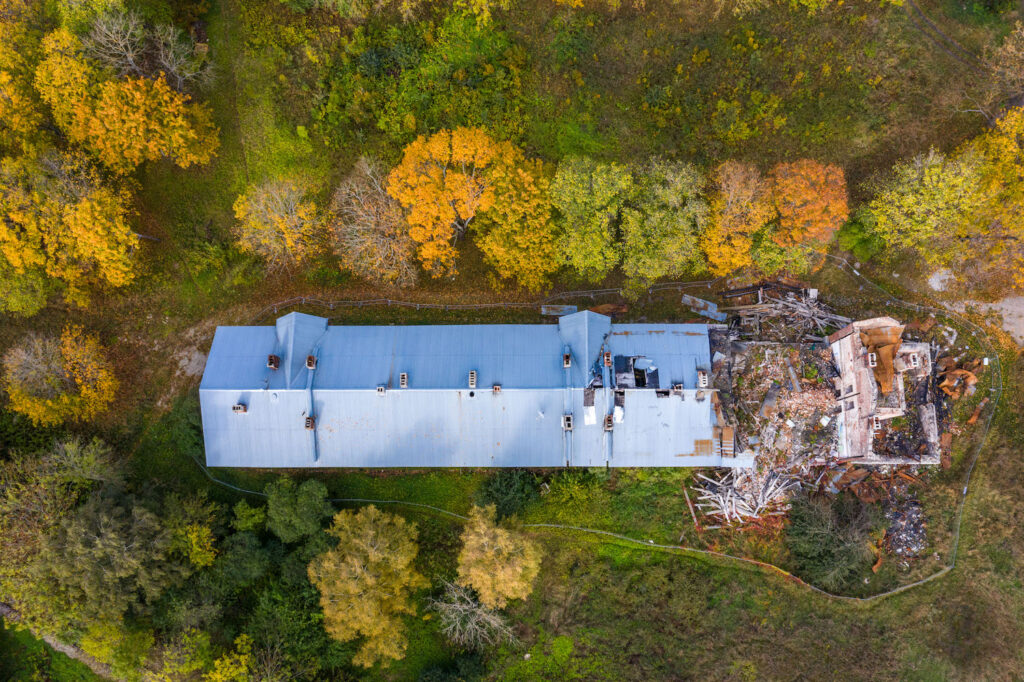
Any kind of construction must be stopped. Based on her Master’s thesis ‘30 Years of Pause. Research about doing not’ that she defended at the Eesti Kunstiakadeemia / Estonian Academy of Arts in 2021, Ulla Alla asks, "Is it enough already?"
The genesis of Kalarand is a search for novel urban ideals. Amidst arduous planning and controversy, a number of urban activists matured and professionalised. In a prototyping-like process, several expectations we consider fundamental today on the subject matter of public space and spatial justice were made visible, and solidified. Johanna Holvandus writes on the changes in urban activism and urban processes.
As a country that has experienced Europe’s biggest increase in real estate prices, we will soon face the question: how to avoid reaching the top in segregation and spatial inequality too? Hannes Aava explores.
How about we agree that from here on out, we will be implementing only good spatial solutions? Okay?
In order to compensate for the bureaucratic inflexibility and sluggishness that is burgeoning in spatial design, a new methodology has evolved that enables to operate in a more democratic, playful, experimental and cost-effective way.
Contradictions of spatial planning are caused by the time required to process comprehensive and detailed plans as well as (spatial) gap between the two. How to better make sense of planning processes and to alleviate rigidity of the aforementioned?
If there is any feeling of blandness, or risk aversion, or scant sense of place, it is not due to insufficient bike lanes or pedestrian squares, but rather because the larger questions of what is produced and who gets to have how much have already been decided.
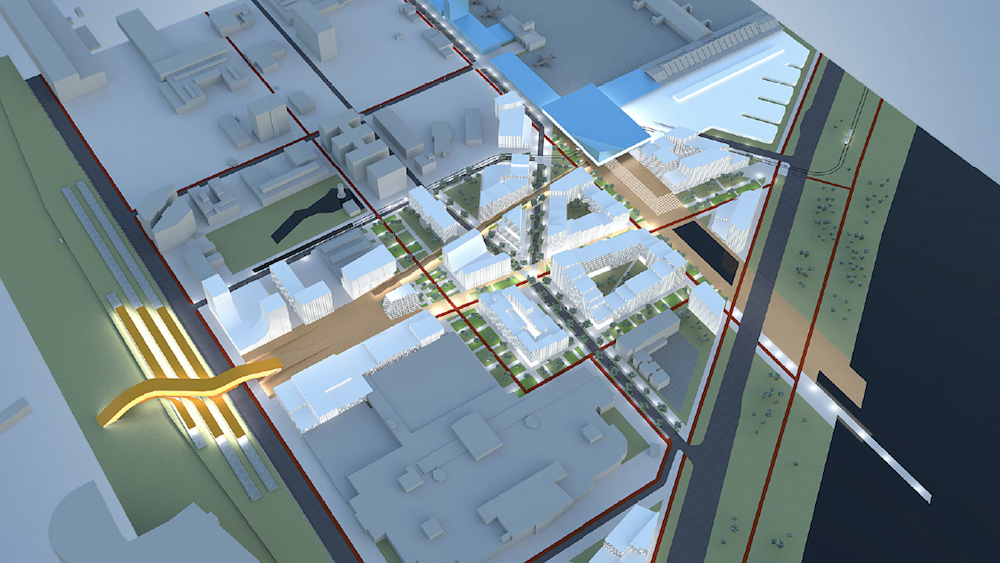
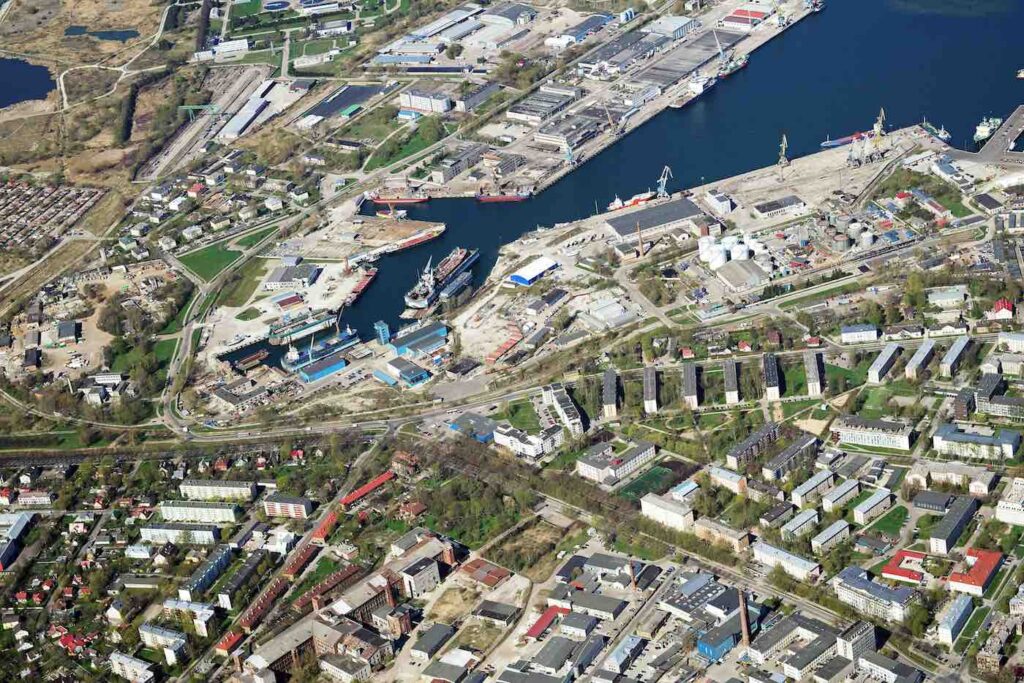
What kinds of forces bear upon the process of creating a new urban area today? What urban development questions do we already have a grip on? What issues are we still grappling with and how? Indrek Allmann recounts the journey toward climate-neutral Paljassaare.
Andres Sevtsuk is a Professor of Urban Science and Planning at the Department of Urban Studies and Planning at MIT, where he also leads the City Form Lab. Maroš Krivý is a professor of Urban Studies at the Estonian Academy of Arts.They shared their insights on current state and challenges of Estonian architecture.
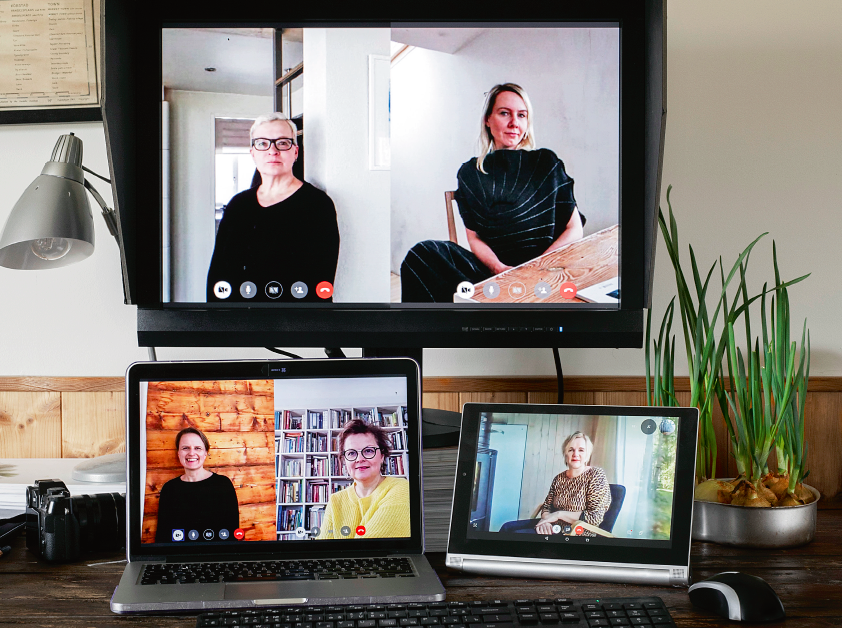
Since 1994, the architectural review MAJA has been the key platform for promoting and reflecting on Estonian architecture. On the occasion of the 100th issue, all former editors-in-chief – Leele Välja, Piret Lindpere, Triin Ojari, Katrin Koov and Kaja Pae – came together to discuss their working principles and the changes the journal has undergone in the past twenty-five years. Interviewed by Andres Kurg.
Postitused otsas