MÕTLUS
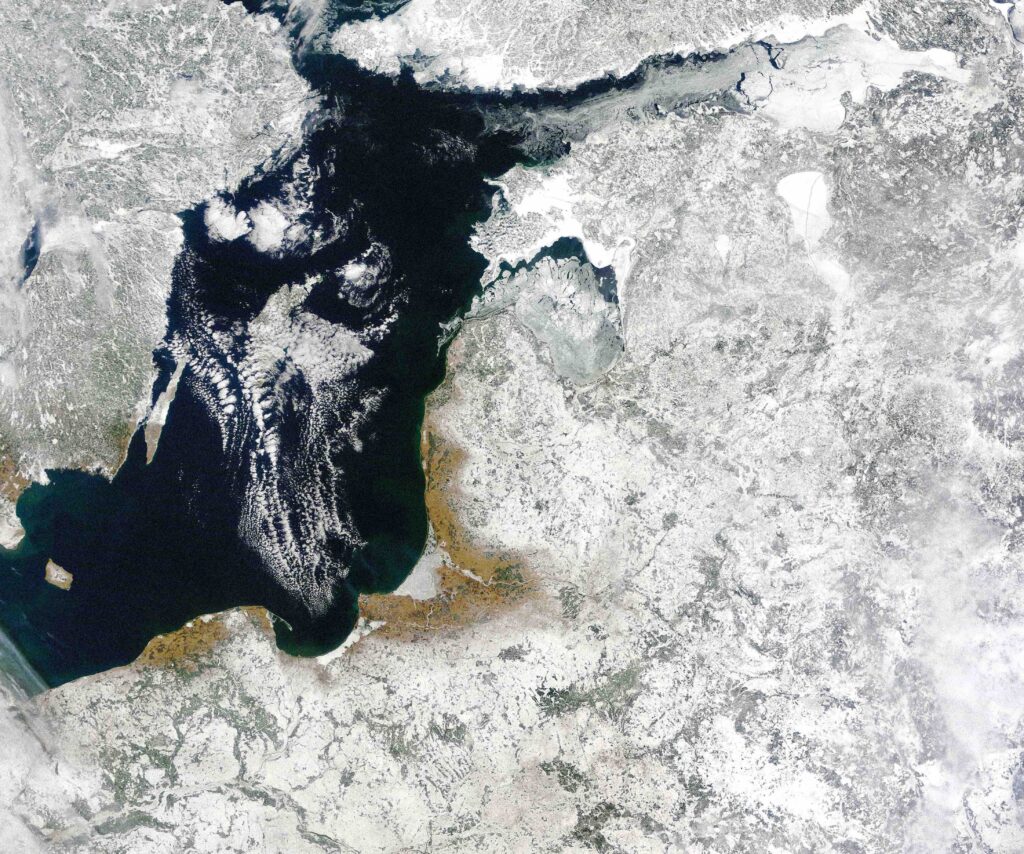
Balticness as a fragment of identity is a bit like a curiosity forgotten in the back pocket, only to be rediscovered from time to time. We asked a number of Estonian, Latvian, and Lithuanian archi- tects, architectural offices, and other spatial practitioners for their favourite spaces, spatial situations, or features that appear unique to the Baltic coun- tries (or one of them).
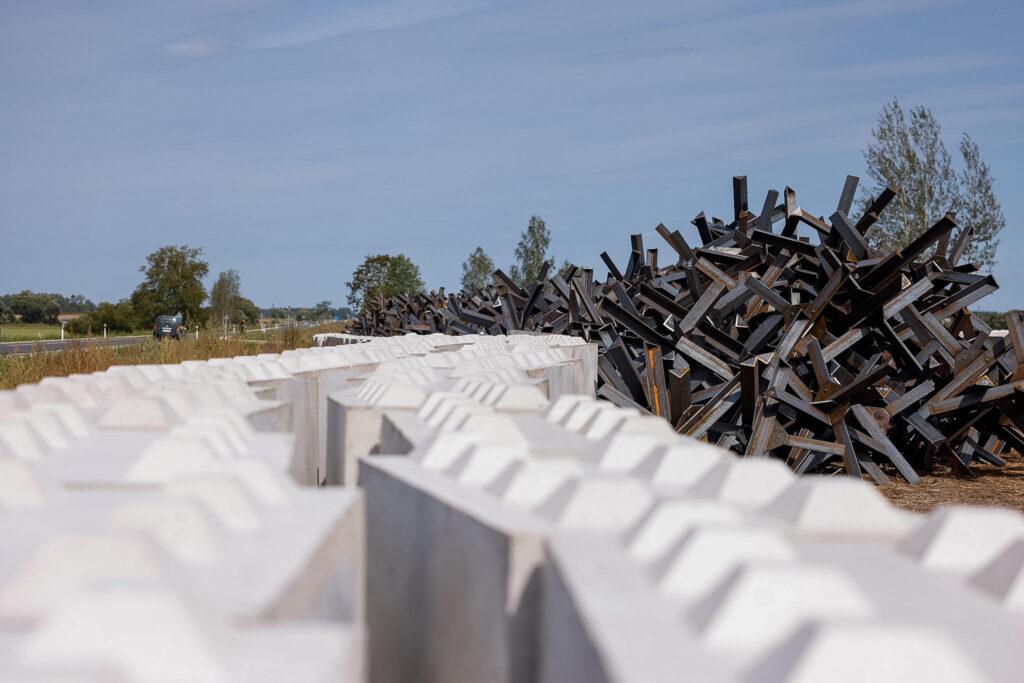
Balti riikide ja Venemaa (nagu ka selle lahutamatu liitlase Valgevene) vahelise piiri kindlustamisel on piirialade maastikule suur mõju.
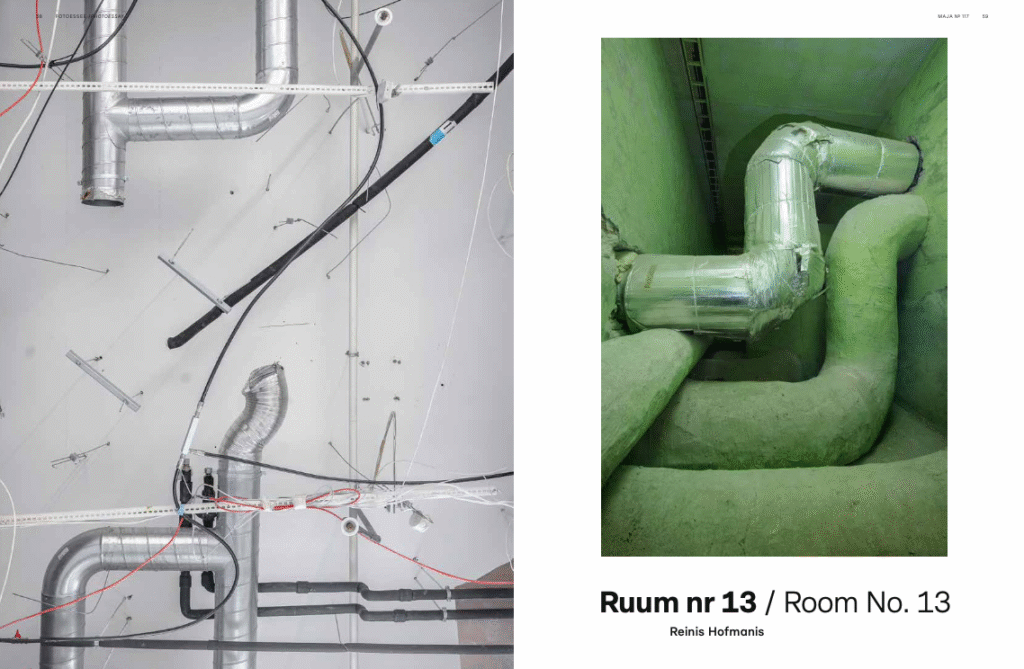
Photo essay about man-made infrastructure that shapes our public spaces.
Why not set a higher value on dispersal? Instead of living in just one place, and trying in vain to gather yourself together there, why not have five or six rooms dotted about Paris?
Estonian Academy of Arts (EKA) master’s theses in interior architecture demonstrate an ability to raise serious global issues, and a polemical search for what interior architecture could contribute to their resolution.
On the morning of August 29th in 2017, freshmen of the Department of Interior Architecture were waiting for a train at Baltic railway station at 7.44 am to head to Pärnu. What lay ahead was a three-day trip, followed by a three-year-journey into the unknown. Yet, these students were not completely caught off guard by these successive events as they had been admitted to the Department of Interior Architecture at the Estonian Academy of Arts, run by Hannes Praks.
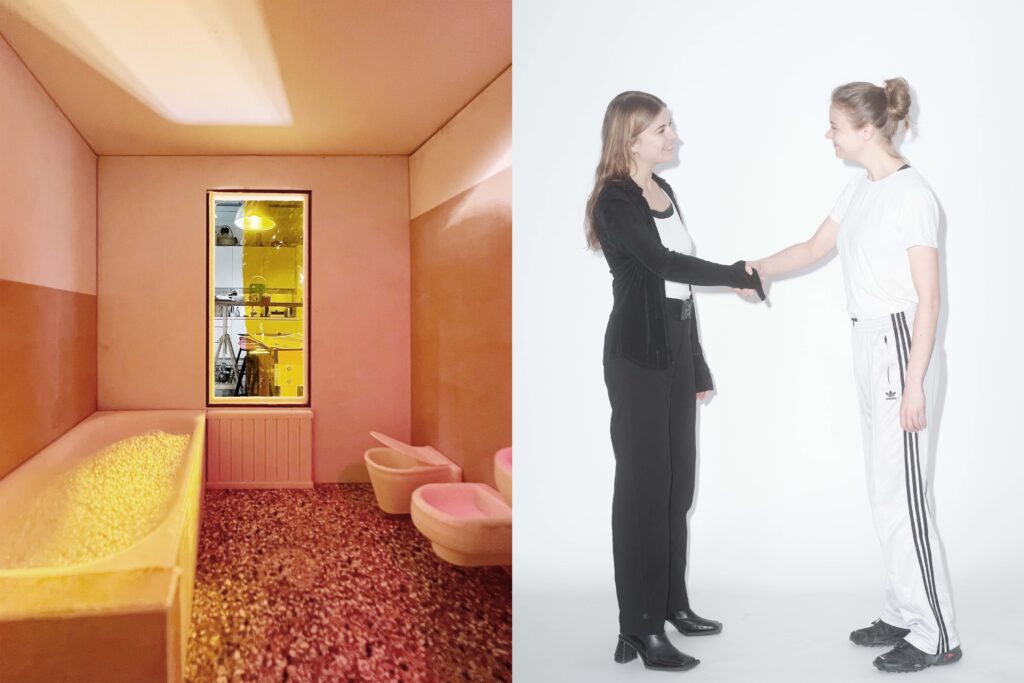
Bathology is an example of a possible artistic method which attempts to take into account the object’s perspective, the object as is. The budding bathology was inspired by the Lithuanian artist Marija Baranauskaitė and her exploration of sofanity. Namely, in 2018 she started developing the Sofa Project, a conceptual clowning performance where the target audience is not sentient, not even human but a sofa. In addition to being entertaining to human audiences as well as object-audiences (hopefully), it is also compelling for theoretical reasons, evoking among other things musings in the vein of Philosophy of Technology, Critical Posthumanism and Object-Oriented Ontology as well as exercises in non-anthropocentric thinking, and attempts to place something other than a human in the position of a subject.
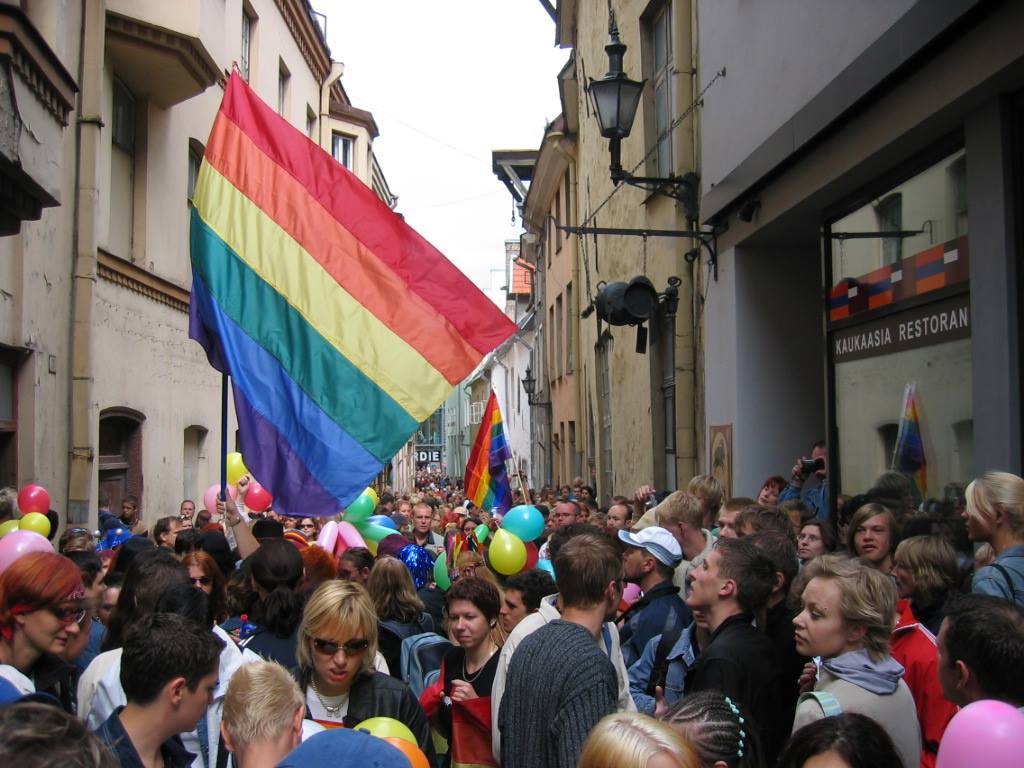
A city is a metonym for public space – it is modelled by the moral code of its populace and, conversely, each city frames the type of life it allows and inspires in its people. Some municipalities have begun to queer their city space as an expression of solidarity and global positioning.
Nobody in the architectural domain still regards Contextualism still in terms of mimicry or imitation. A good building is not designed by doing like the neighbors do, by keeping up with the Joneses. There is no such thing as contextual authenticity. On the other hand there is little believe anymore in the power of the iconic building. The contextual designer seems to be caught in the paradox of the personal creation of something that is recognized as local and impersonal.I will not try to rewrite the critique of contextualism in architecture. Rather, what I will try to do is say something about working methods. I will speculate on a ‘knowhow’ of contextualism, much rather than a ‘knowwhy’.
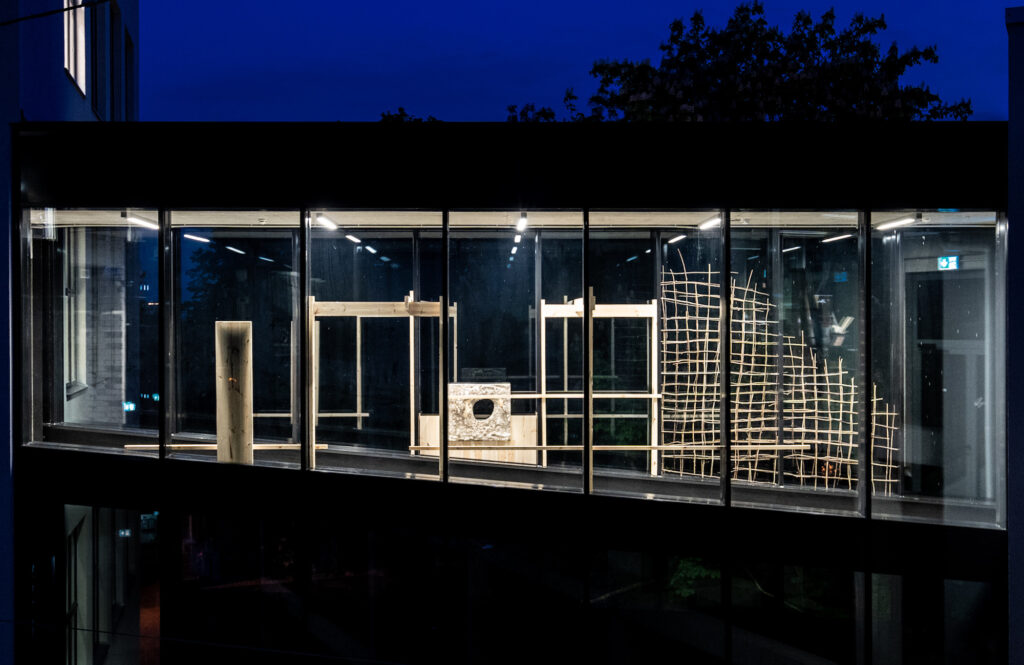
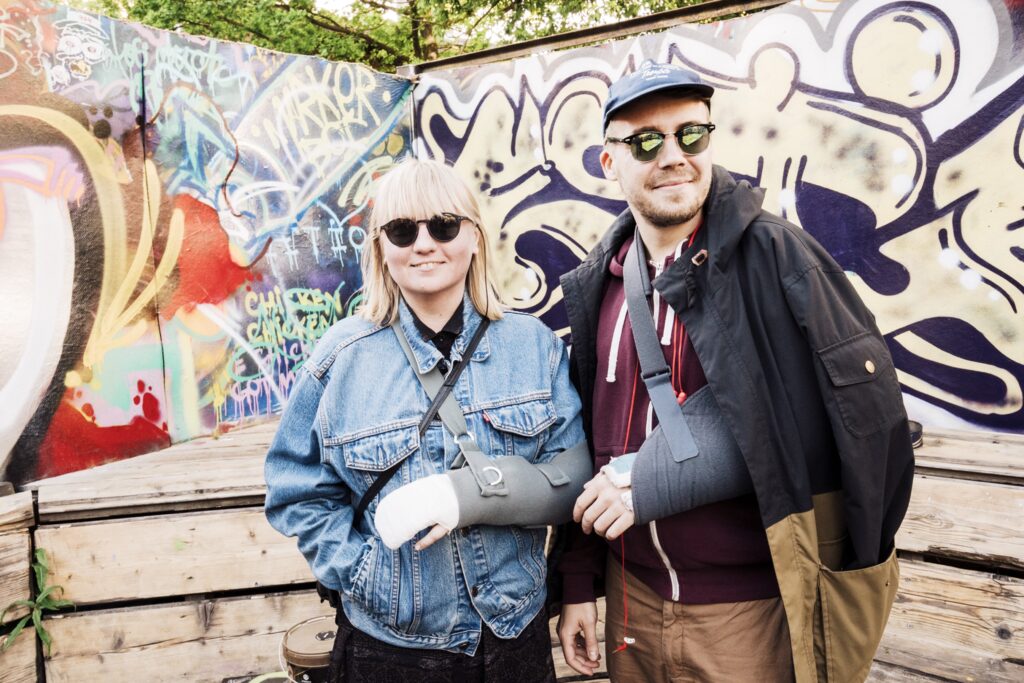
Balta is a hybrid of a silk screen printshop and a bar for close friends. Its spatial use and construction logic is closely tied to its founders and changing needs: it is a place whose structure is a co-creation of the entire community. To best describe the project architecturally, it is reasonable to regard the establishment as a flow; an accumulation and recycling of materials. Such a dispersion of authorship and, above all, a material-based point of view is rather a matter of spatial aesthetics, one that provides a visible, perceptible experience of sensuosness and physicality. How is a community bound to its space?
Postitused otsas