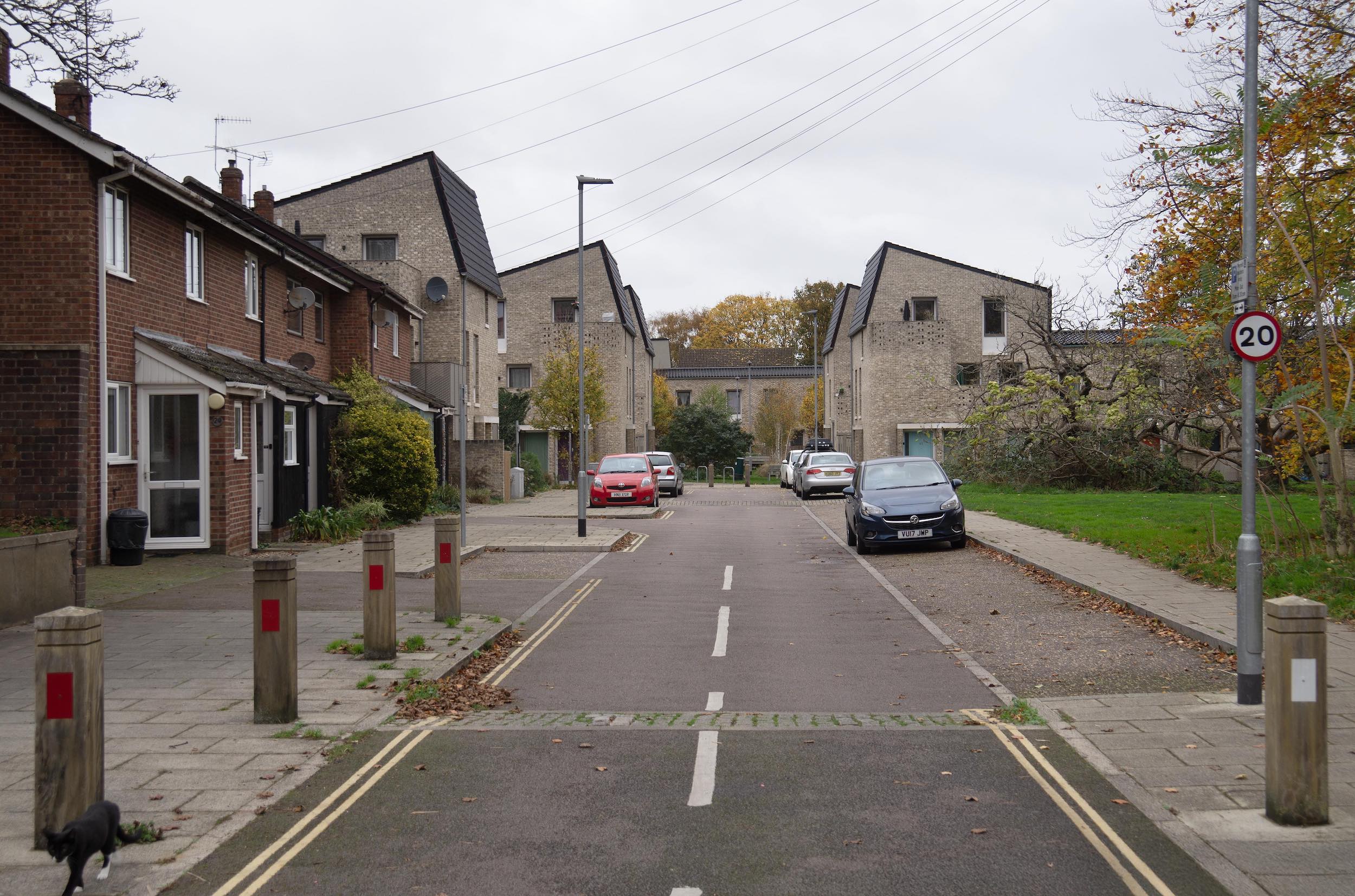
On Passivity
In the UK, a number of councils have adopted the passive house method in order to realise their growing ambitions in the housing sector. Could this also lead to an increase in spatial quality?

 kaire
kaire
In the UK, a number of councils have adopted the passive house method in order to realise their growing ambitions in the housing sector. Could this also lead to an increase in spatial quality?
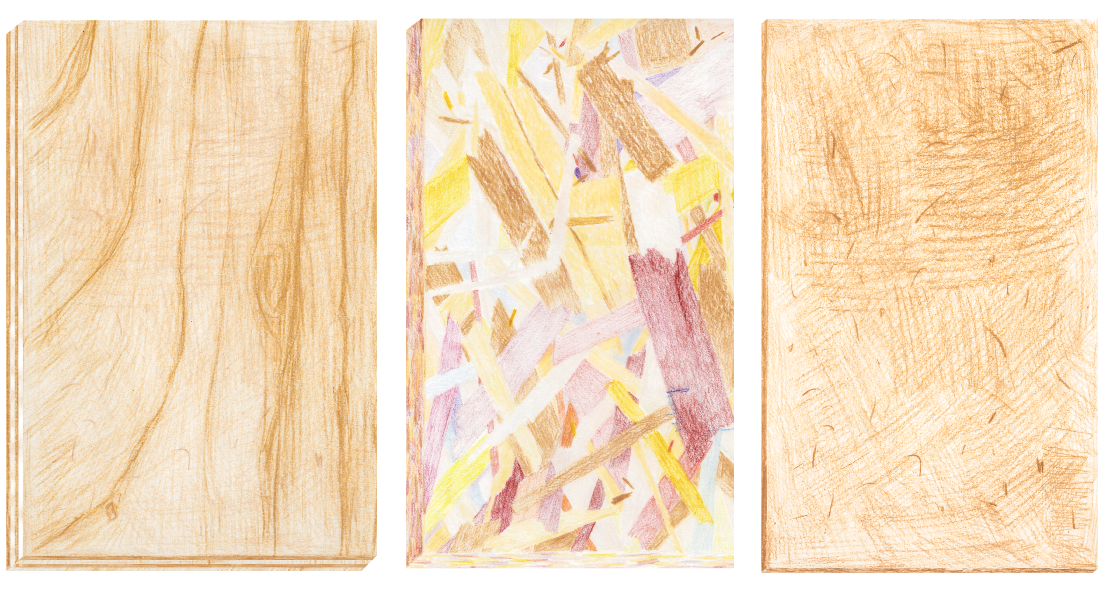
Authors traced the bigger processes that are connected to the production of engineered wood – these materials are produced from industry leftovers, but also from trees that are cut for that purpose only.
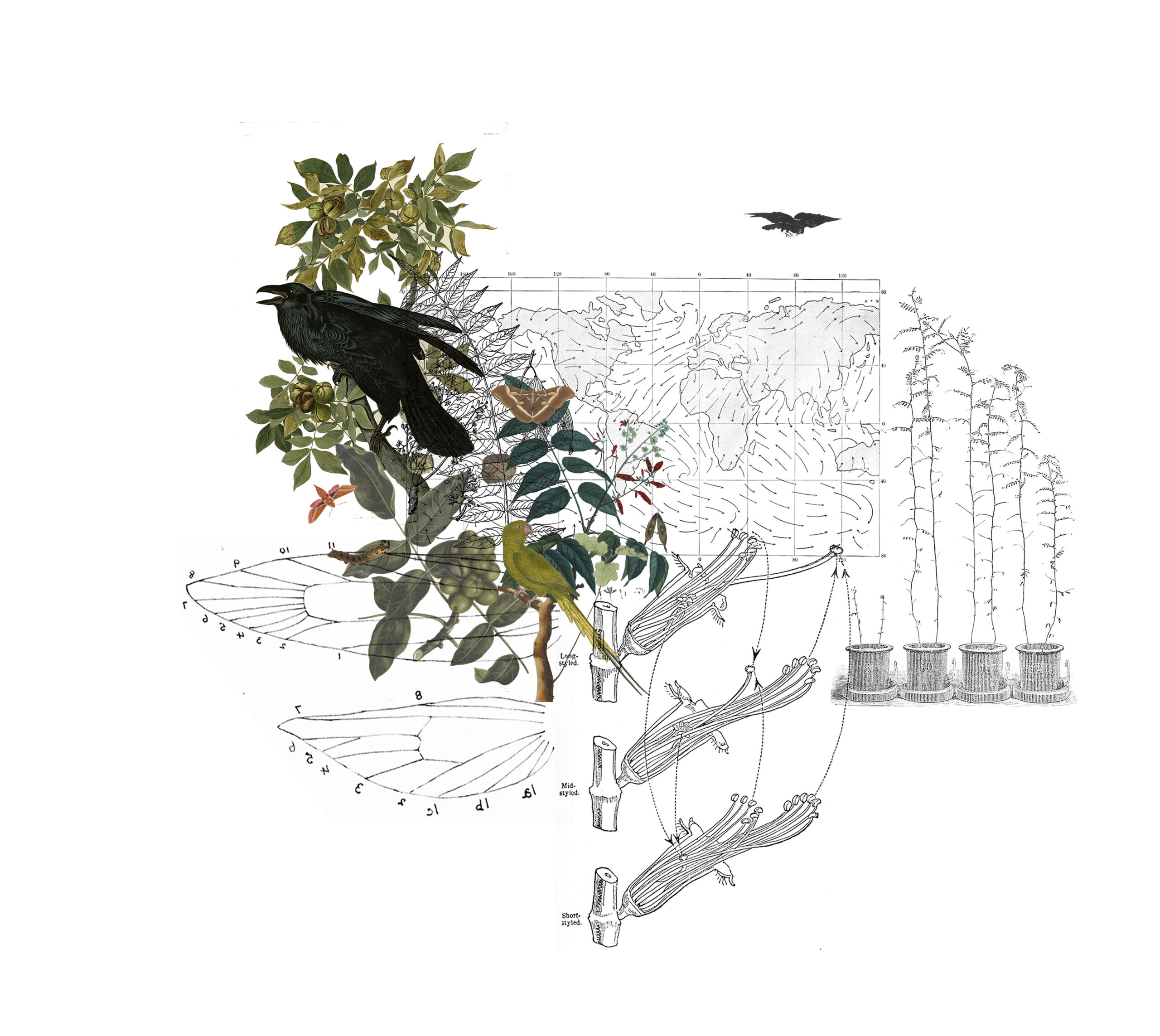
A friend of mine conducted a gardening experiment. Instead of planting any seeds into his balcony containers, he decided only to improve the quality of their soil, leaving the rest of the gardening tasks to wind and rain. Living next to the Père Lachaise cemetery in Paris, a diverse urban ecosystem, he was curious to
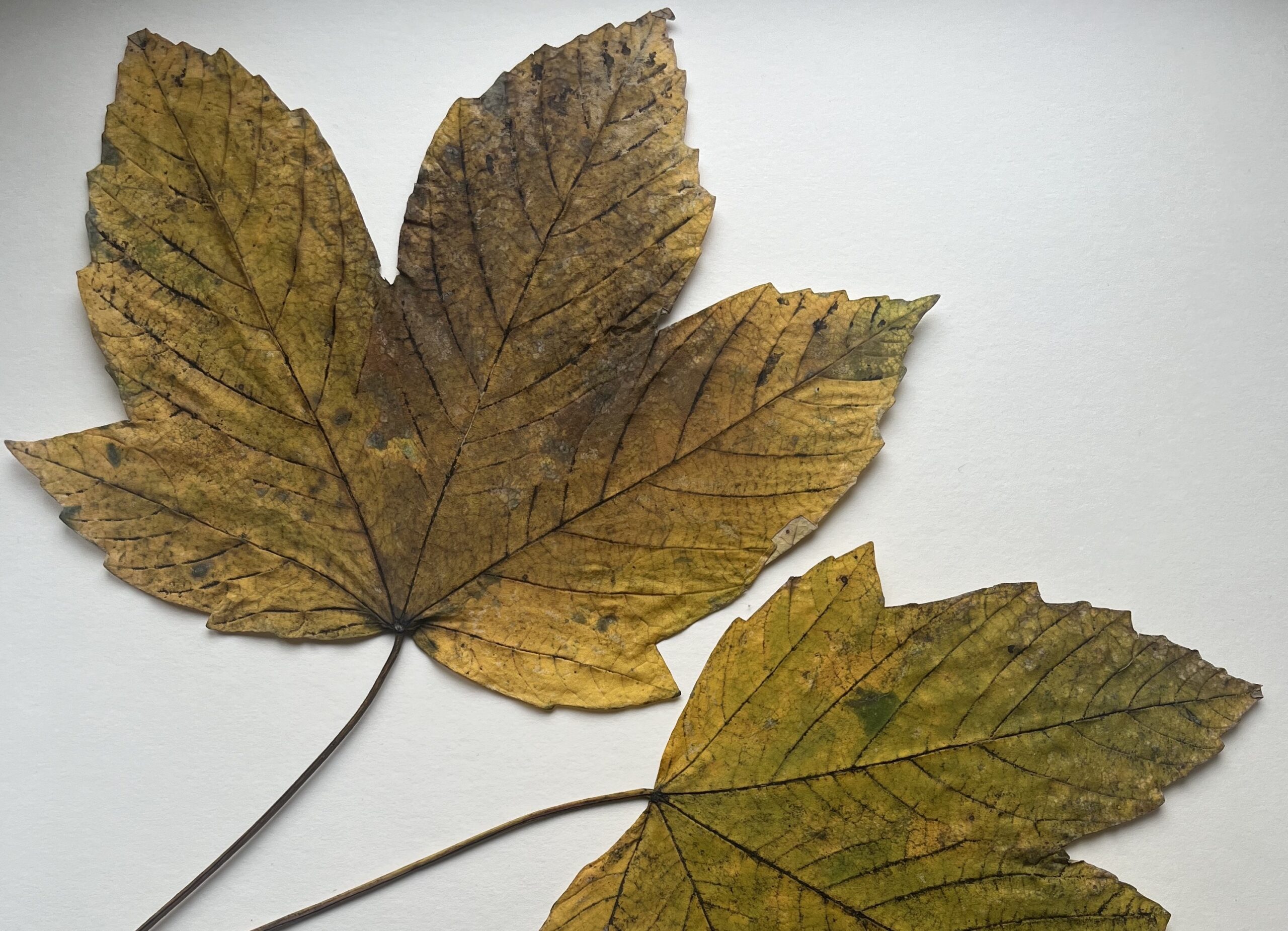
In addition to being home to trees, cities or urban environments are also home to 70% of the Estonian population—are these people not entitled to clean air as a human right?
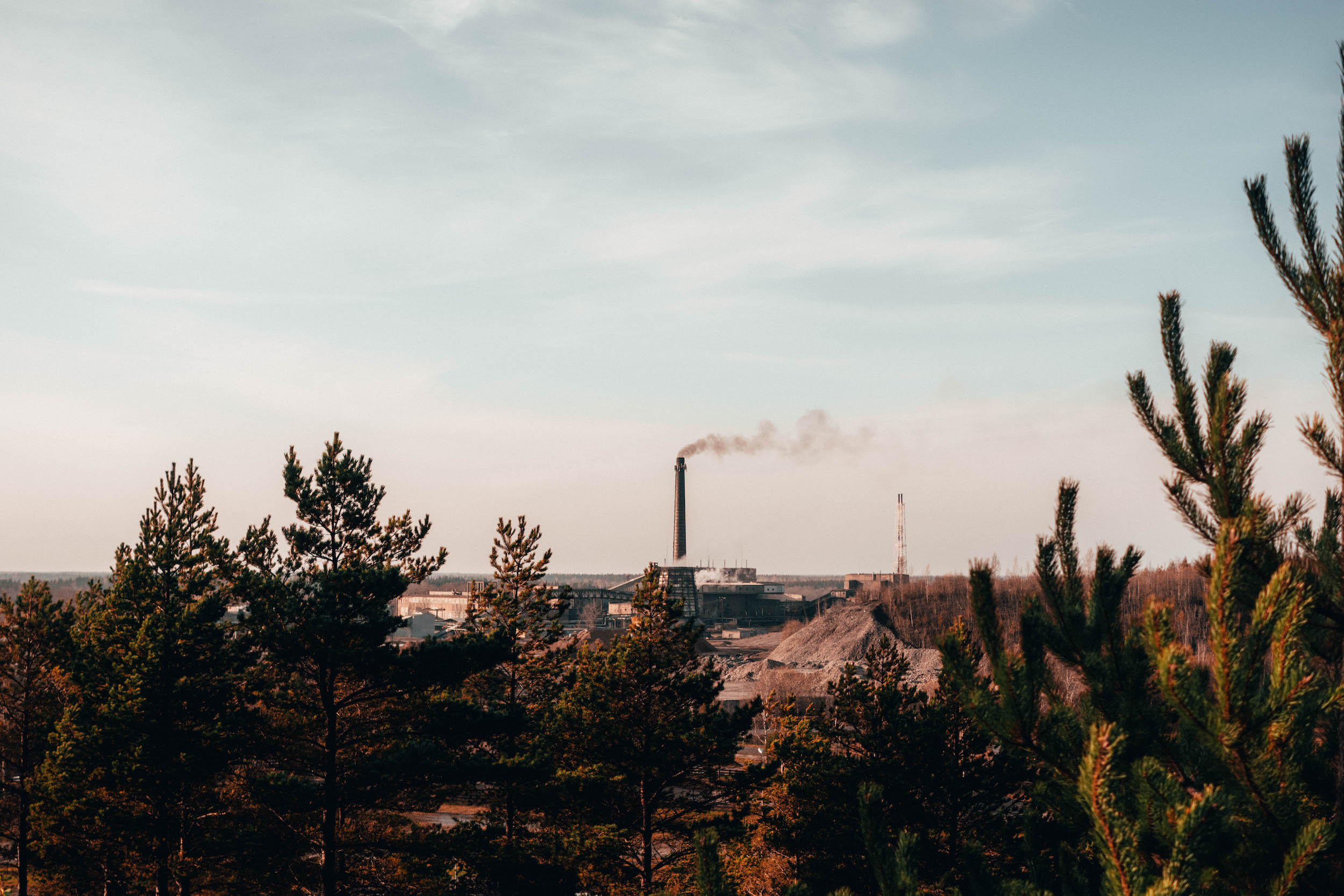
Hence the main question of this article: what power does stench have? And who gets to feel the stench? Who talks about the stench? Who gets to decide where it stinks?
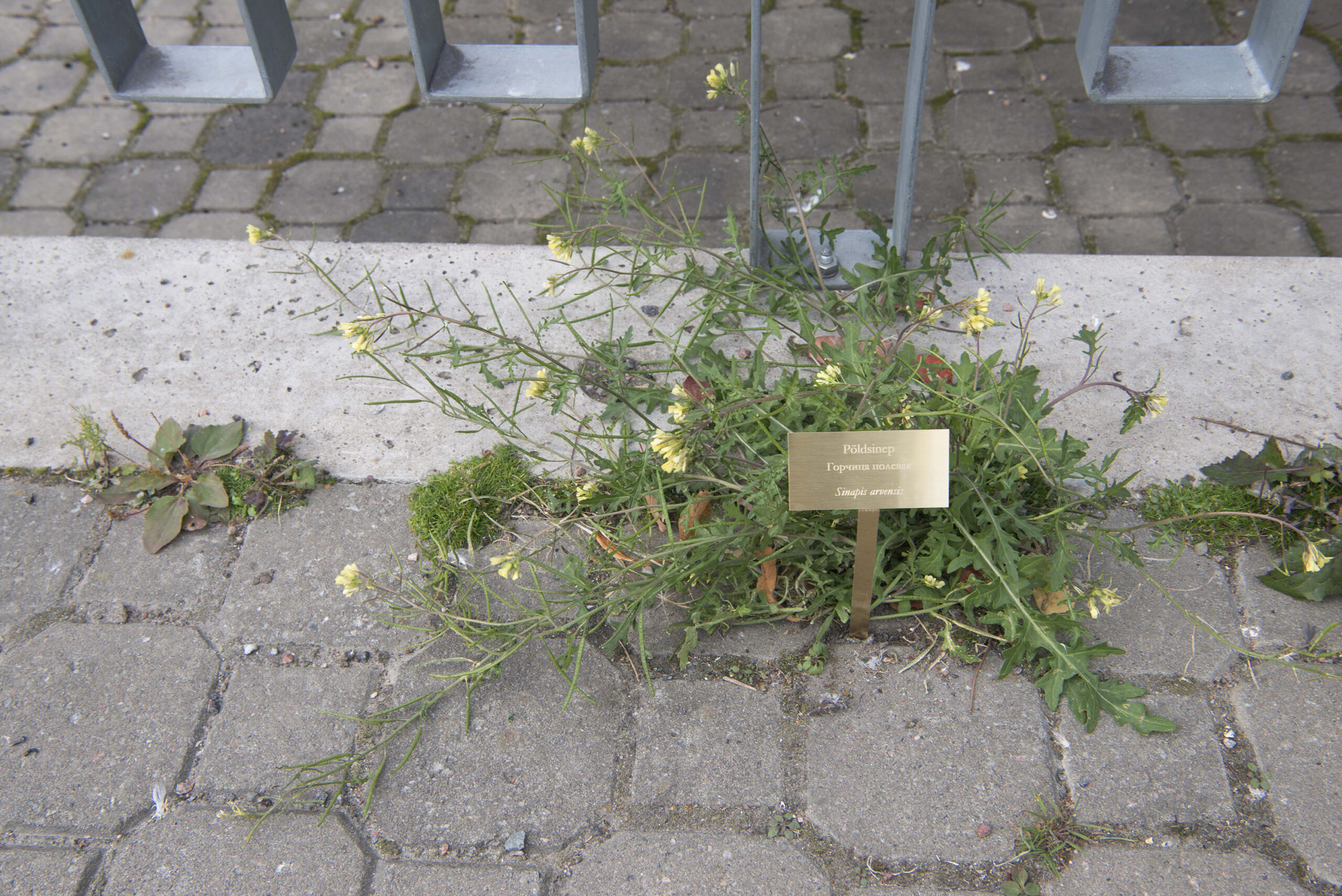
TITLEDType: Installation art on traffic islands in TallinnLocation: Tallinn, EstoniaAuthor: Madli KaljusteYear: 2021Botanical consultant: Iti JürjendalTechnical support: Mihkel SäreEvent: International Urban Triennial CITYA in TallinnCurators: Madis Luik, Kati Ots, Liina SiibFunding: Kultuurkapital It happens to me quite often at exhibitions that before looking at the artwork, I conscientiously read the accompanying label or title. Sometimes
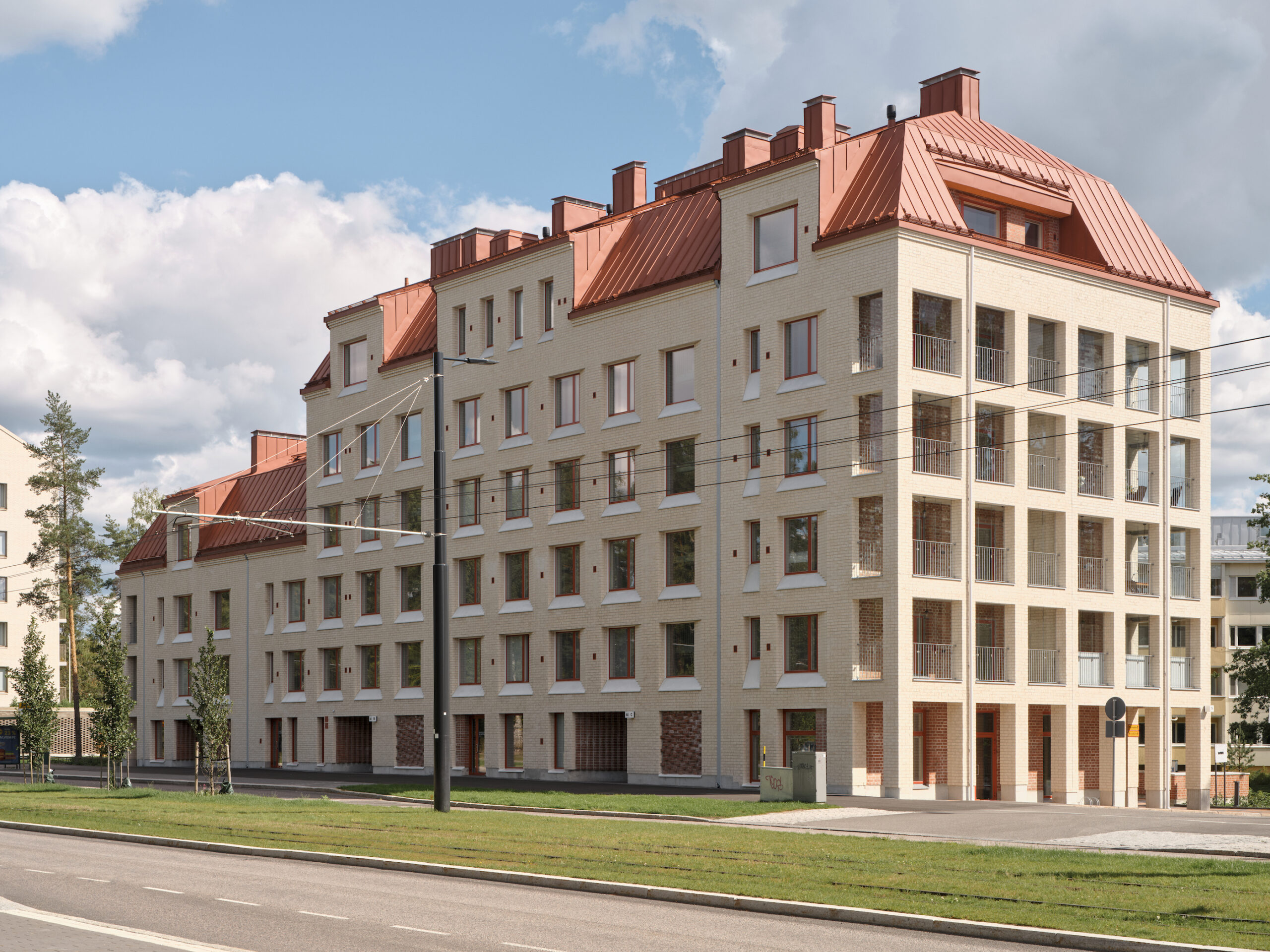
With its solid brick walls, Helsingin Muurarimestari, an apartment building designed by Avarrus Architects, is generous to tradition, but decidedly modern, writes Leonard Ma.
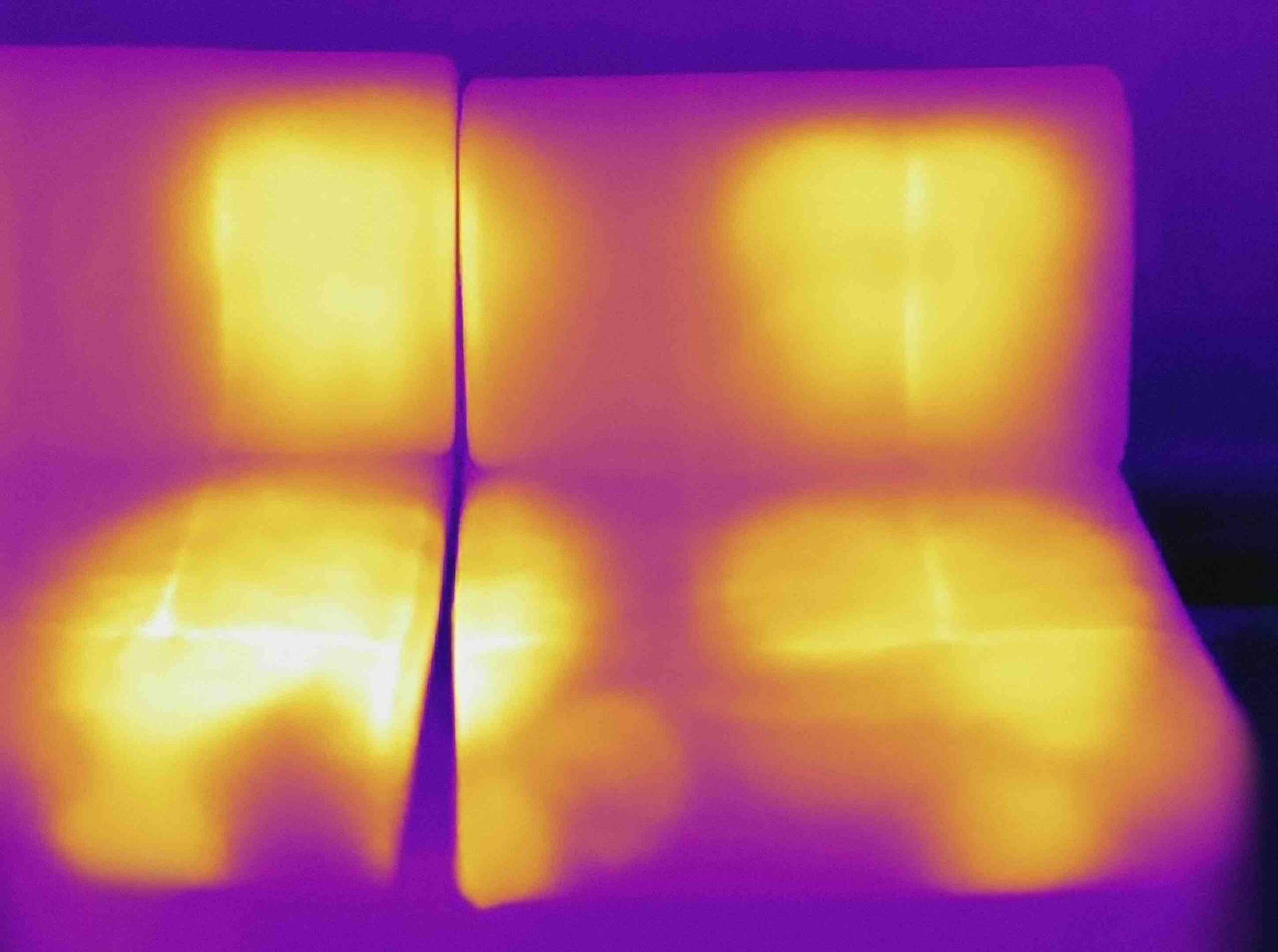
Roland Reemaa interviews Eva Gusel, one of the authors of the project +/– 1 °C: In Search of Well- Tempered Architecture, that represented Slovenia at the 18th International Architecture Exhibiton in Venice.
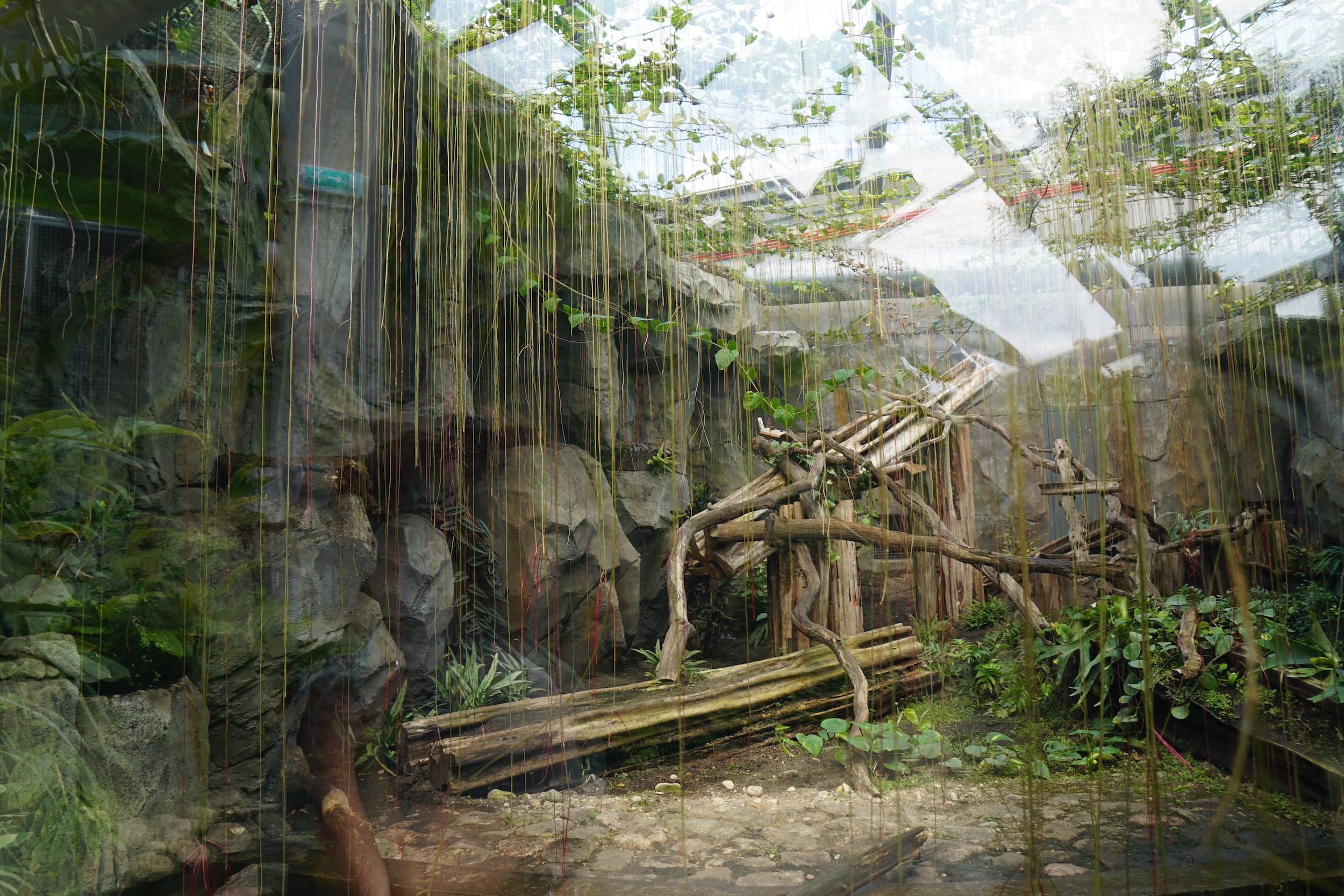
In a simulacrum of a Southeast Asian rainforest, technology enables precisely those animals and plants included in the exposition (!) to create their own little worlds. Neither the otter nor the binturong nor the plane tree nor silver pheasant Joosep is there merely as a consumer of its environment; their interrelationship transforms, but also recreates that very environment—a scene that I am able to pass through.
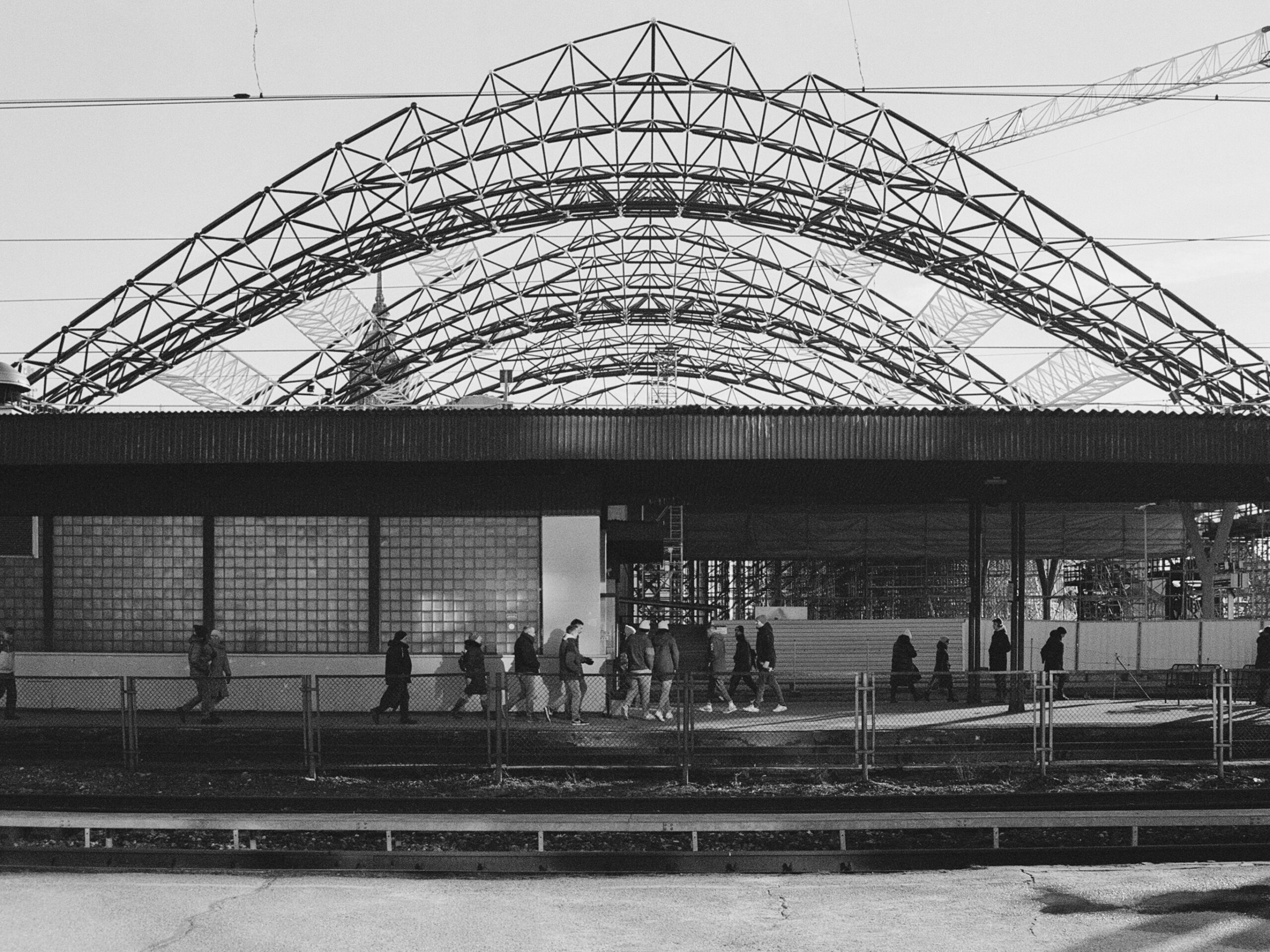
Authors ask: how to talk about a railway that currently exists only in our imagination, but is nonetheless very present in our daily lives?