Spatial Opprtunities and Challenges of Urban Gardening in Planning
Henri Kopra, Iiris Tähti Toom, and Bianka Plüschke-Altof write about apparently modest urban gardening sites that comprise a wealth of ecological, spatial, and social infrastructure.
The popularity of urban gardening in Estonia has grown substantially in the last 15 years. The stigmatised association with Soviet-era subsistence gardening practices stemming from economic necessity, is fading, and the primary motivation is shifting to an increasing desire for clean, locally sourced ingredients.
Maria Muuk
Planning and establishing urban gardens
Alongside the spatial evolution of urban gardening typologies, the demographic profile of Estonian urban gardeners is shifting towards the middle-class.1 While community gardens in many American and Central European cities embody a politics of resistance,2 Estonian urban gardens tend to exhibit more benign and apolitical characteristics.3 Rather than functioning as an instrument for resisting property development akin to many urban gardens abroad, the community gardens in Tallinn have often been established with municipal funding or even by the real-estate developers themselves. In redeveloping the Veerenni, Krulli, and Põhjala industrial areas, community gardens were among the first interventions to be built. They were meant to signal an impending transformation, attract new visitors and residents, and generate an image of community ethos. Efforts to spatially and socially integrate the broader population for whom a flat in the new developments might be out of reach are commendable.4 However, it is too early to tell whether this approach will actually succeed in bringing the changing neighbourhoods together so that gardens remain shared spaces for varied demographic groups in the long term—or whether it is a performative aesthetic resulting in little more than ‘community-washing’.
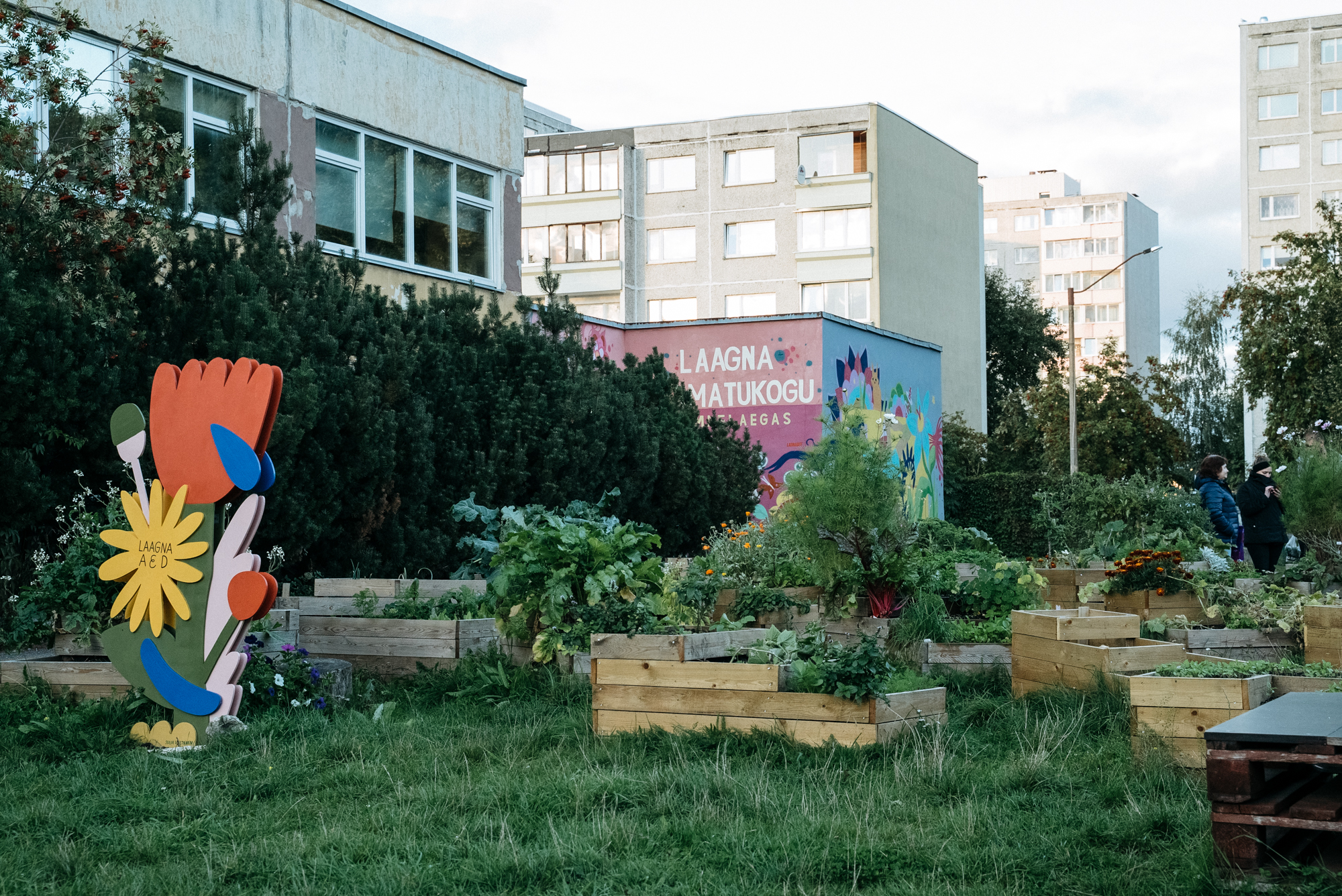
Photo: Anton Semenyura

Photo: Anton Semenyura
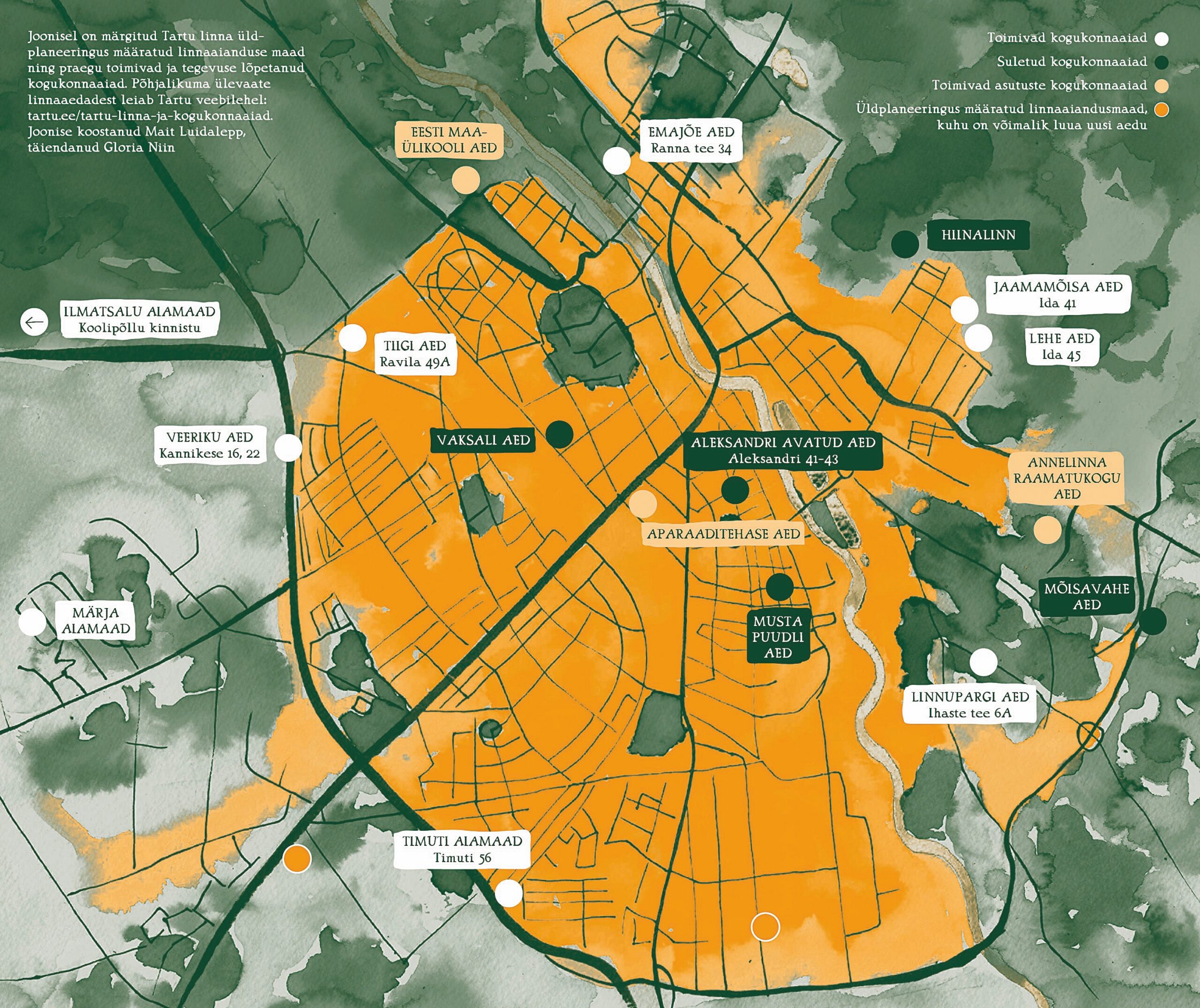
Gardens on both private and public land are threatened by temporal uncertainties as well as land-use zoning. Community gardening is an effective method for the meanwhile use of abandoned spaces, but the gardens created usually have few assurances: gardeners regenerate and revitalise a neglected space without a guarantee of long-term use in return for their contribution. The example of Tartu highlights this increasing pressure on municipal plots, which can be observed even in the well-established urban gardens. In response to the displacement of gardens due to planned infrastructure and residential development, Tartu has now created a special designation for ‘urban gardening land’ in its comprehensive plan to give local gardening communities greater security for the future.5 However, the status of ‘urban gardening land’ currently provides protection only to a few larger single-use gardening areas, while smaller gardens in more central locations remain vulnerable.
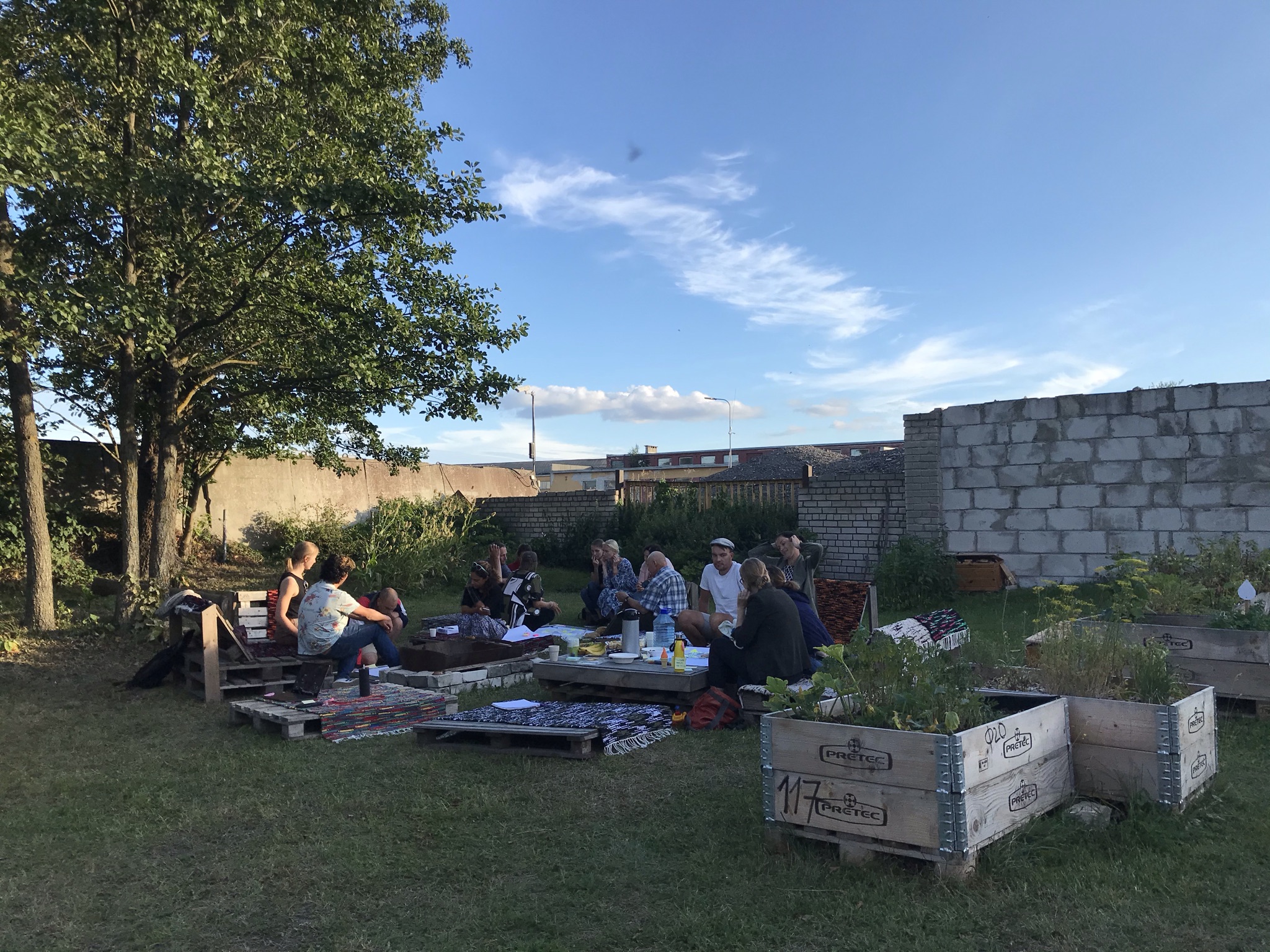
Photo: Henri Kopra
Cultural and environmental education
Rapid urbanisation and rising property prices are severing both current and future generations from the land.6 While a decade ago it was common for many families to have grandparents in the countryside (at least seasonally), more young people today are growing up in solely urban environments. Despite this—or perhaps because of it—urban gardening is increasingly valued as a vehicle for broader environmental education. Albeit most urbanised families are less practically dependent on agricultural knowledge than ever, passing down the traditions and cultural heritage of cultivation is still deemed important by many.7 Educational gardens are a valuable tool for increasing food awareness and sharing environmental knowledge.8 Gardens established at schools, kindergartens, and universities impart knowledge of soil, plants, and circular economy through immediate experiences, increasing awareness of food security, food quality, and health.
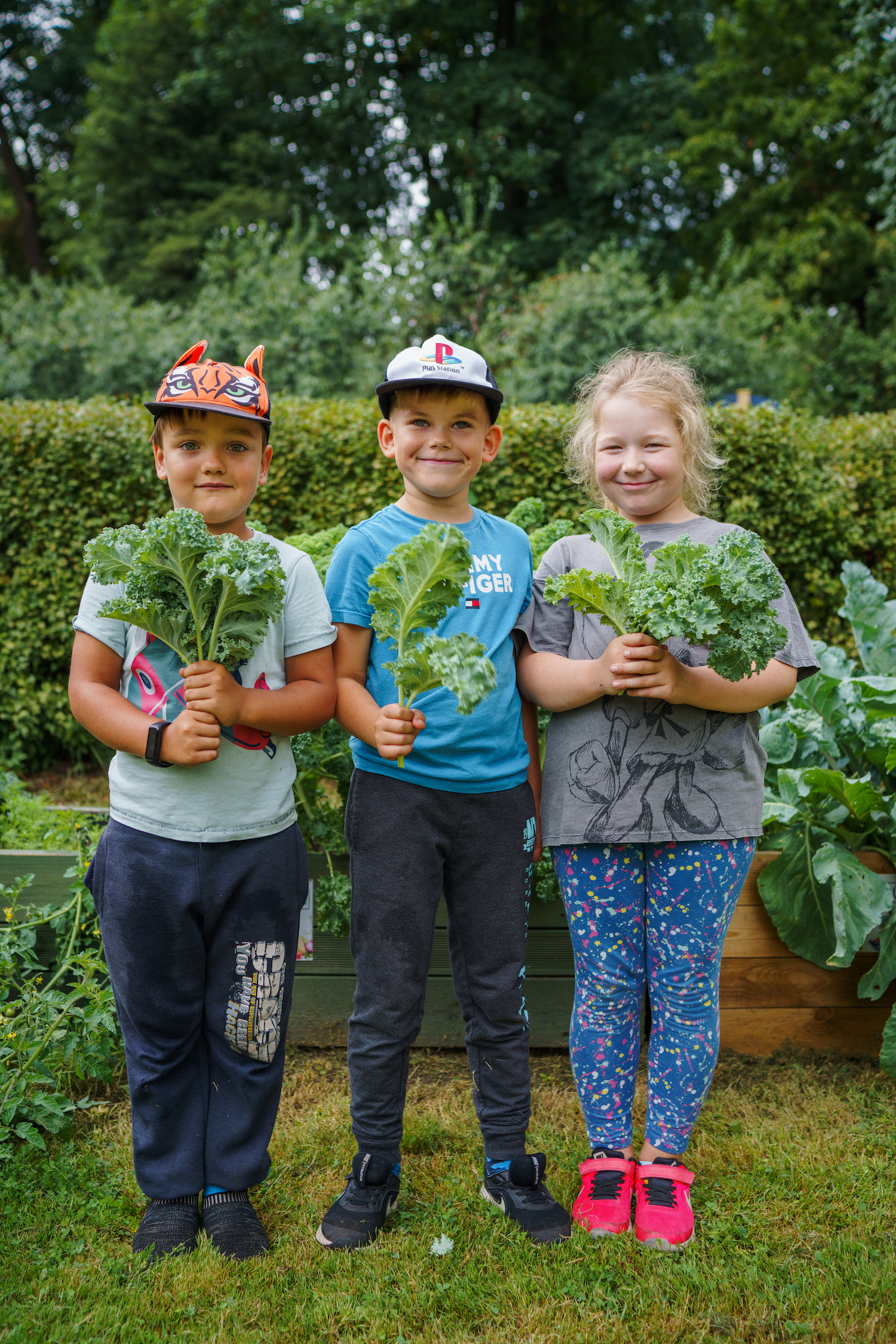
Photo: Artjom Kutuzov
Aesthetic paradigm shift: ecological diversity
Our broader understanding of cities and nature is also shifting—the perceived boundary between the two is growing increasingly blurred. Manifestations of the edible city spark aesthetic disagreements, especially in city centres.1 Much of the so-called ‘soft’ urban development can be aesthetically difficult to accept as it challenges traditional notions of well-kempt urban park landscapes: mown lawns, manicured shrubs, colourfully designed flowerbeds. One of the most notable examples of this conflict is the 2017 dispute over the Bastion Garden in Tallinn: ‘[…] the aesthetics of reuse and food growing clashed with the idea of a dignified urban (old town) space, where “growing cabbage” was deemed inappropriate by (some) city officials at the time’.9
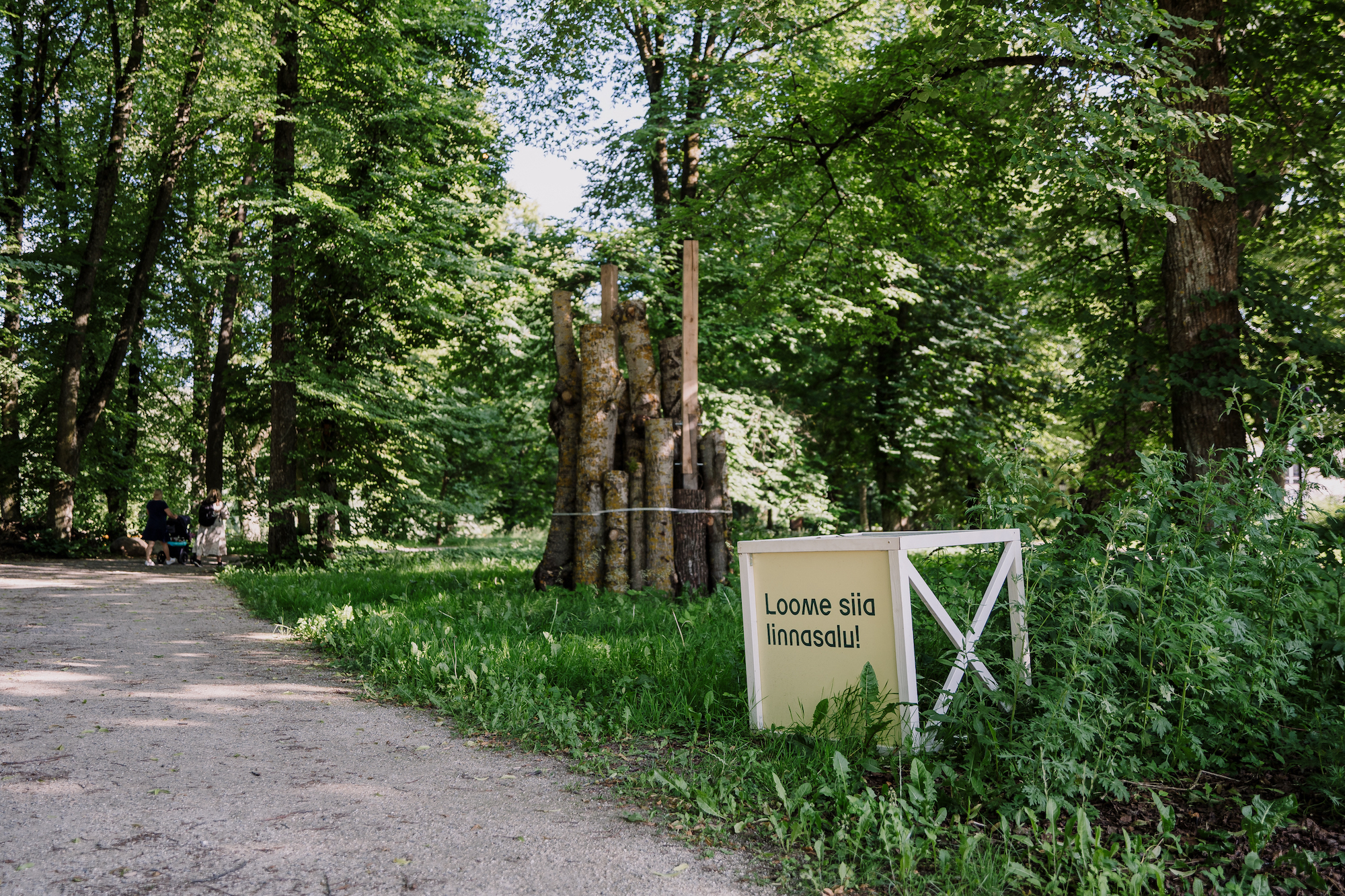
Photo: Mana Kaasik
Issues related to public space and greenery have steadily become more prominent in political debates, especially in Tallinn and Tartu. In the 2017 local elections, few major parties addressed topics related to green spaces,9 whereas in 2025, spatial questions were featured in the election programmes of all major parties. The mowing of central parks has become a polarising election issue. The main challenge consists of balancing the roles of municipalities, activists, citizens, and nature: cities are built primarily as habitats for people; yet, as landscape researcher Joan Nassauer notes: ‘what is good [for nature] may not look good, and what looks good may not be good’.10
Studies such as Damschen et al. in Science11 have highlighted that as cities expand, green corridors and biodiversity become particularly important in dense urban areas. Berlin-based architects Andre Viljoen and Katrin Bohn have described such strategies with the concept of Continuous Productive Urban Landscapes (CPUL). In such landscapes, green corridors contribute simultaneously to ecological, logistical, and social cohesion.12 Initiatives such as the Pollinator Highway (Putukaväil) in Pelgulinn, the Green Ring (ROHEring) in Tartu, Curated Biodiversity (Kureeritud Elurikkus), and others have experimented with promoting alternative aesthetics and ecologies in urban centres, thus raising the question: how to navigate between the needs of nature and people so that the city remains a pleasant habitat for humans while also enabling broader uses and ecological diversity?
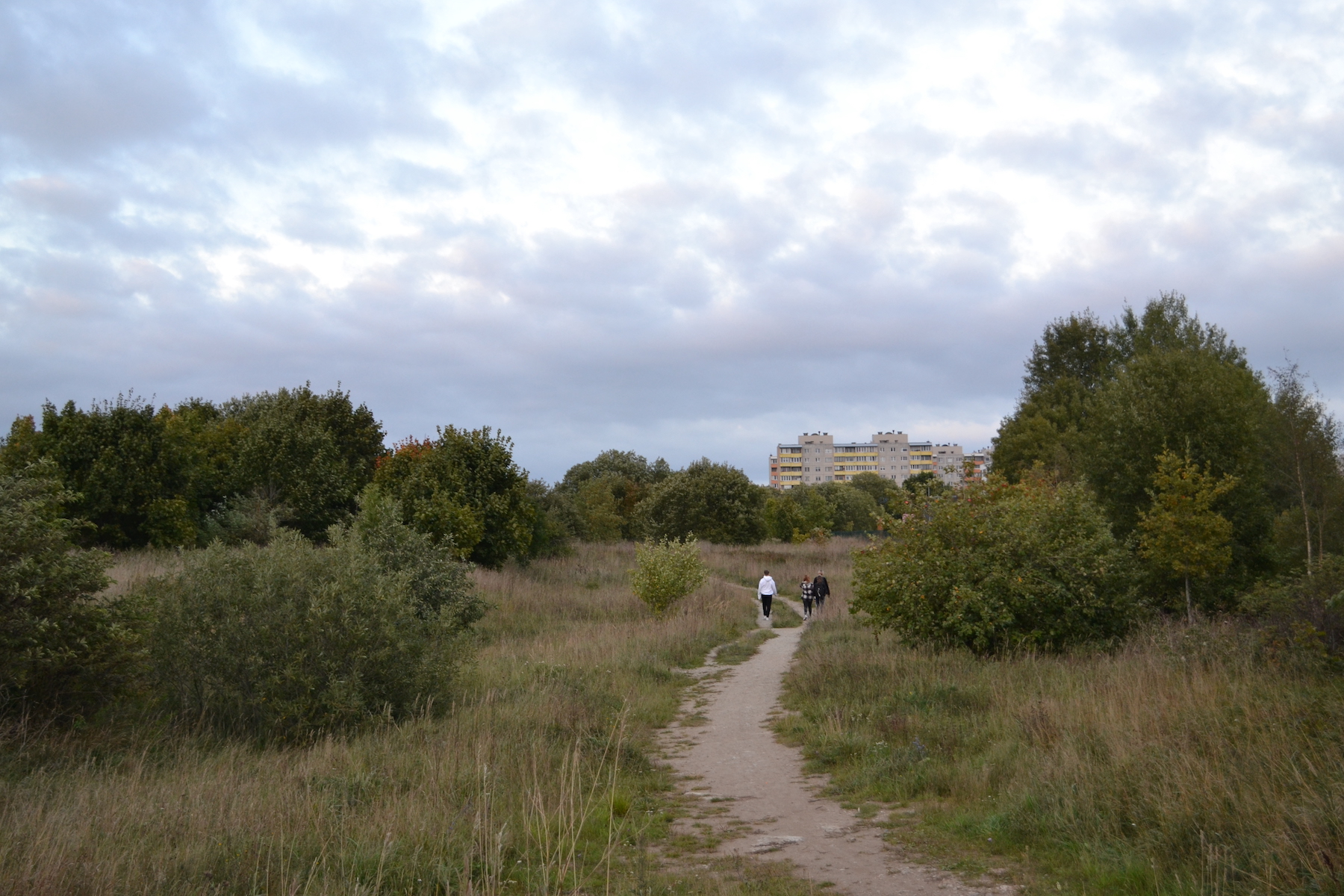
Photo: Iiris Tähti Toom
Social diversity
Although ecological diversity remains a polarising topic, it appears to be gaining traction among both ordinary citizens and urban planners. In contrast, discussions around social diversity remain taboo. In addition to formally planned areas, Estonian urban inhabitants have filled the cracks of underused public spaces, appropriating these for personal and collective needs. However, such attempts require flexibility from municipal authorities and a tacit agreement that soft protests or grassroots initiatives are able to create new spatial opportunities. This process may sometimes be supported by formal spatial design, but at other times require deliberately refraining from it. The primary concern among users of various terrain vagues is the prospect of excessive development, which typically results in middle-class appropriation and the risk of green gentrification,13 displacing former users and practices.7 Urbanist Karina Vabson highlights growing differences in lifestyles and aesthetic preferences as exclusionary factors: ‘For example, would all new residents be happy with noisy summertime picnics and barbecues held in the terrain vague? How would they regard the improvised structures, pigeon coops, little shelters, and the groups that gather around them?’14
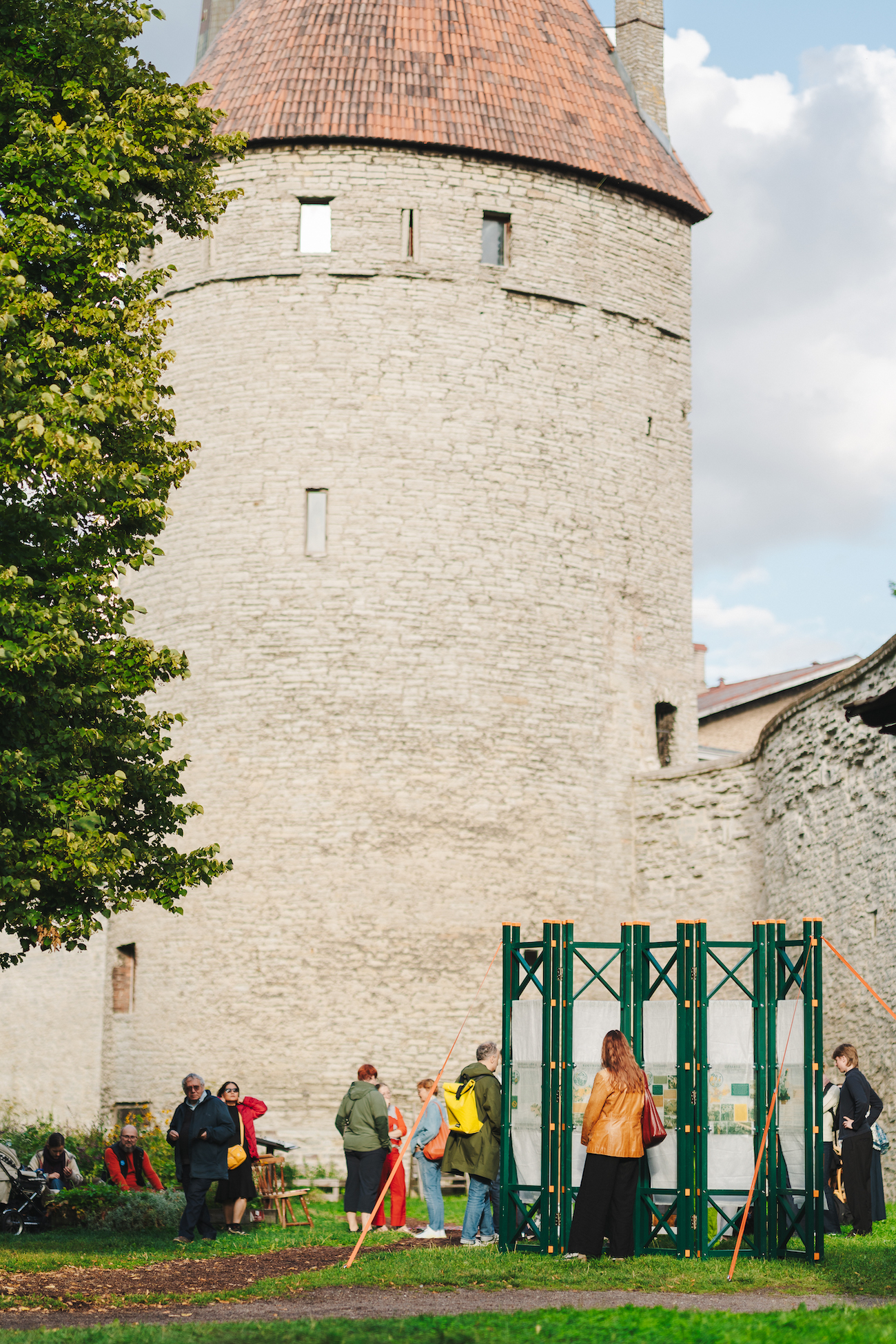
Photo: Anton Semenyura
Urban expansion subsumes informal green spaces directly, but such marginalised phenomena are also indirectly displaced by the rise of new, more formal types of urban gardening. Estonia has a longstanding yet modest tradition of urban gardening, evidenced in older but less visible forms of quiet sustainability. For nearly fifty years, dacha gardening, alongside other improvised practices such as allotment gardening and foraging that date back even further, has functioned as part of the urban fabric. The shifting focus to establish ‘proper’ community gardens, poses a risk that the growth of one typology becomes the downfall of other, more marginalised practices. Urban gardening could become a recreational pastime that sidelines vulnerable groups and alternative forms of spatial use. It is imperative to preserve diverse forms of urban gardening to ensure the rise of raised bed gardening does not lead to the decline of the terrain vague culture or dacha gardening.15
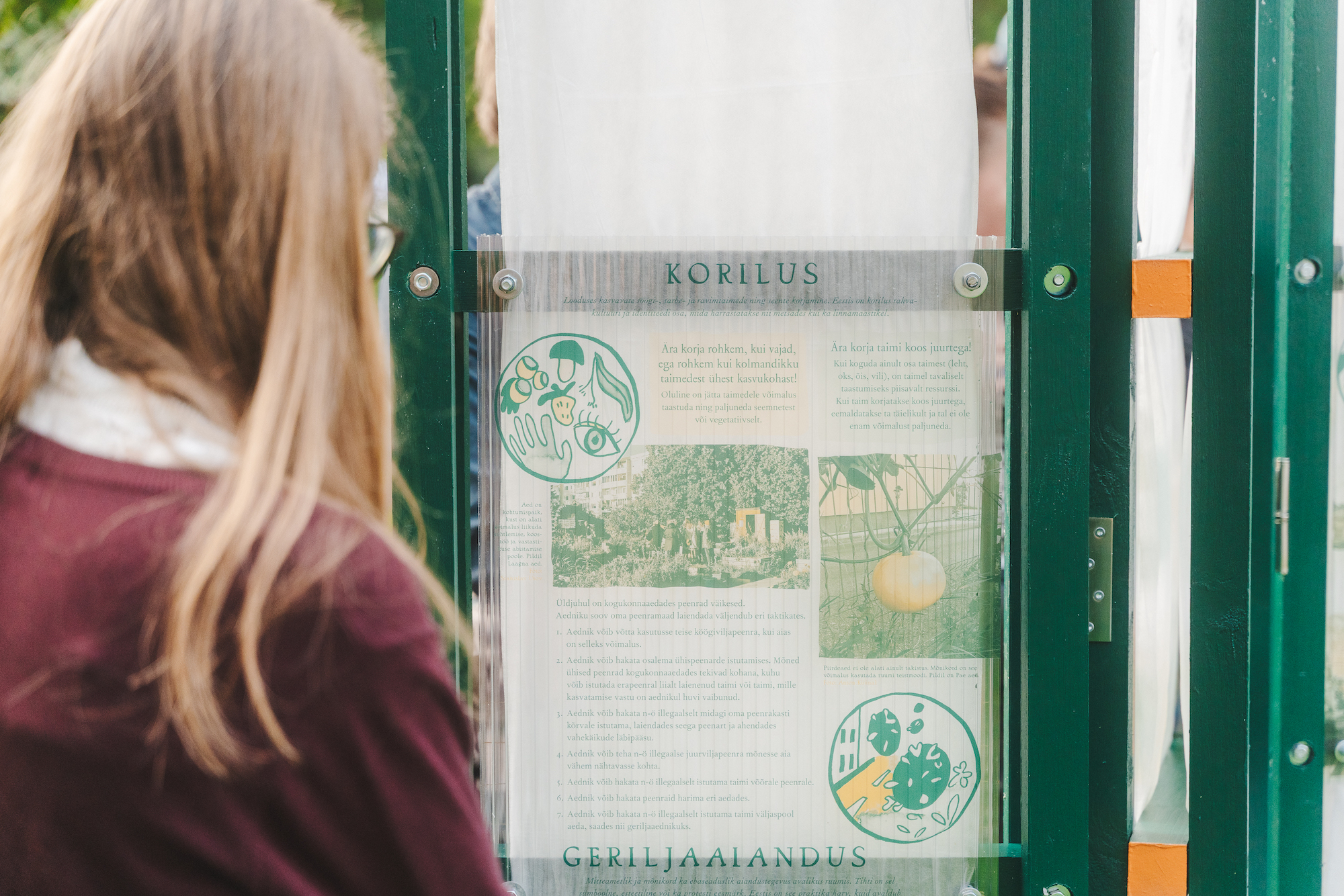
Photos: Anton Semenyura
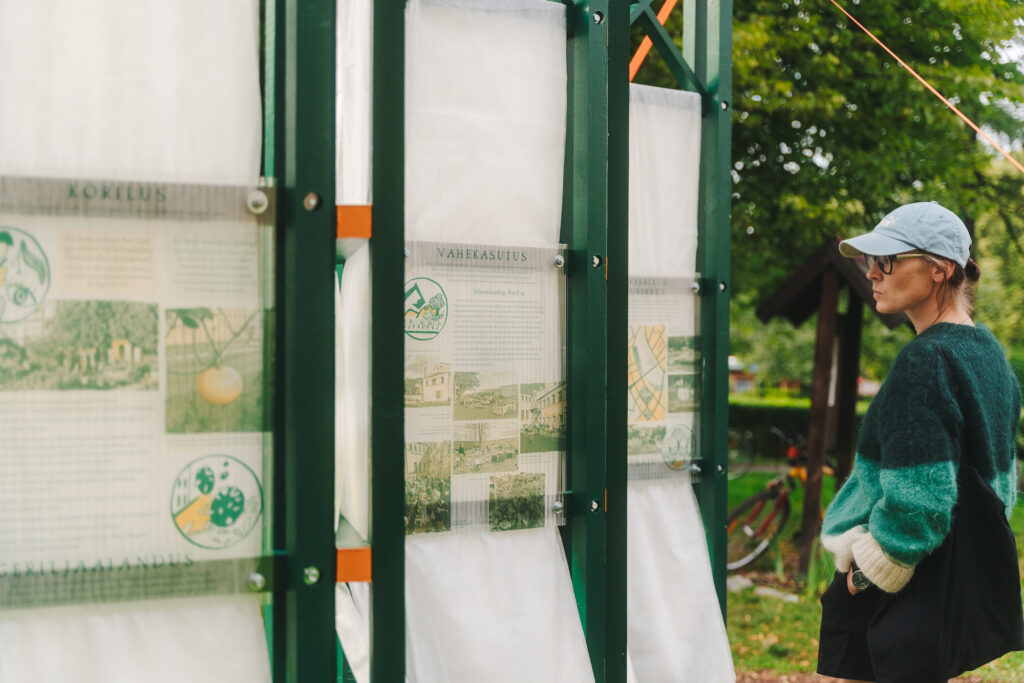
Future possibilities
Urban gardening, in all its forms, carries significant potential to instigate future change. In the collection of essays, Edible City 2, gardening is viewed as a prefigurative practice that explores the margins of spatial logic and social possibility.16 Prefiguration indicates a beginning—a continually unfolding process is set in motion and expected to take on new forms. Working in the garden, individuals transition from passive users of space to its active producers: urban gardening evokes a tangible embodiment of possible future worlds. Everyday habits help articulate broader political positions and transform individual opinions into collective action. The resulting space becomes both a social and a physical platform for exchanging ideas and giving voice to future ambitions.
Cultivated landscapes shift the value from finished objects to relationships of care: gardens are a form of slow architecture, requiring long-term commitment, care, and vision, without uprooting what has taken a long time to grow. The micro-societies that form around community gardens help shape a new social contract that could scale up to changes at both municipal and national levels.17 While formal public spaces are governed by deeply ingrained social norms, informal green spaces allow people to break free from rigid behavioural patterns, thus fostering the development of civil society and broader resilience.
HENRI KOPRA is an architect and researcher at Spatialist Studio/ Studies, and a lecturer at the Estonian Academy of Arts and the Berlin International University of Applied Sciences.
IIRIS TÄHTI TOOM is an architect and researcher at Spatialist Studio/ Studies, an urban planner for the City of Tallinn, and a lecturer at the Estonian Academy of Arts.
BIANKA PLÜSCHKE-ALTOF (Phd) has contributed to the field of sustainable urban development as a researcher and lecturer at both Tallinn University and the University of Tartu, and as a co-editor of the book Edible City 2.
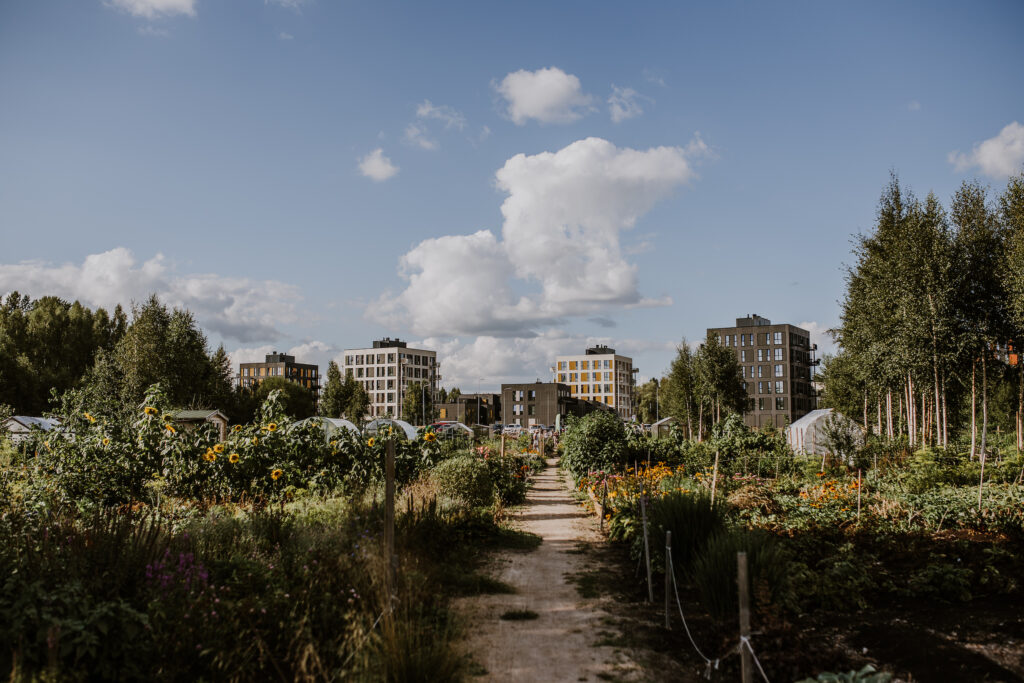
HEADER: Tartu Organic Community Garden is an urban-gardening area, designated in the city’s comprehensive plan, where each gardener may cultivate up to 150 m2. The area includes greenhouses, raised beds, orchards, and row beds. Photo: Ruth Mändma.
PUBLISHED: MAJA 3/4-2025 (121-122) with main topic WORK AND FOOD
1 Bianka Plüschke-Altof & Lilian Pungas, ‘Kes on praeguses Eestis linnaaednik?’ [‘Who is an Urban Gardener in Contemporary Estonia?’], in Söödav linn 2: 15 aastat Eesti linnaaianduse arengut, ed. Bianka Plüschke-Altof, Henri Kopra, Iiris Tähti Toom, Maria Derlõs & Anton Küünal (MTÜ Linnalabor, 2025), 47–60.
2 Laura Linsi & Roland Reemaa, ‘Kogukonnaaed – pehme ja roheline, poliitiline ja radikaalne’ [‘Community Garden—Mellow and Green, Political and Radical’], Müürileht, 28 December 2022.
3 Henri Kõiv, ‘Oma kogukonna ma leidsin peenra vahelt’ [‘I Found My Community Between the Garden Beds’], Müürileht, September 2025.
4 Henri Kopra, ‘Maja pole veel valmis, aga teeme kõigepealt aia’ [‘The House Is Not Ready Yet, but Let’s Do the Garden First’], in Söödav linn 2: 15 aastat Eesti linnaaianduse arengut, ed. Bianka Plüschke-Altof, Henri Kopra, Iiris Tähti Toom, Maria Derlõs & Anton Küünal (MTÜ Linnalabor, 2025), 151–162.
5 Gloria Niin & Triin Nõu, ‘Tartu linnaaiandus: võitlus ruumi, tähenduse ja kestvuse eest’ [‘Urban Gardening in Tartu: the Struggle for Space, Meaning, and Lastingness’], in Söödav linn 2: 15 aastat Eesti linnaaianduse arengut, ed. Bianka Plüschke-Altof, Henri Kopra, Iiris Tähti Toom, Maria Derlõs & Anton Küünal (MTÜ Linnalabor, 2025), 61–76.
6 Carolyn Steel, Sitopia: How Food Can Save the World (Chatto & Windus, 2020).
7 Iiris Tähti Toom, ‘Tühermaa taltsutamine: informaalne linnaaiandus kui kohaloome’ [‘Taming the Terrain Vague: Informal Urban Gardening as Spatial Design’], in Söödav linn 2: 15 aastat Eesti linnaaianduse arengut, ed. Bianka Plüschke-Altof, Henri Kopra, Iiris Tähti Toom, Maria Derlõs & Anton Küünal (MTÜ Linnalabor, 2025), 163–178.
8 Bianka Plüschke-Altof, ‘Õppeaed kui katselava ja ühiskonna peegel: intervjuu Eeva Kirsipuu-Vadiga’ [‘Learning Garden as a Testing Ground and Mirror of Society: Interview with Eeva Kirsipuu-Vadi’], in Söödav linn 2: 15 aastat Eesti linnaaianduse arengut, ed. Bianka Plüschke-Altof, Henri Kopra, Iiris Tähti Toom, Maria Derlõs & Anton Küünal (MTÜ Linnalabor, 2025), 109–120.
9 Brigita Tool & Kaja Peterson, Ülevaade erakondade keskkonnaalastest lubadustest valimisplatvormides kohalike omavalitsuste volikogude valimistel 2021. aastal [‘Overview of Political Parties’ Environmental Promises in the 2021 Local Government Council Election Platforms’] (SEI Tallinn, September 2021), 16.
10 Joan Iverson Nassauer, ‘Messy Ecosystems, Orderly Frames’, Landscape Journal 14, no. 2 (1995): 161–170.
11 Ellen I. Damschen et al., ‘Corridors Increase Plant Species Richness at Large Scales’, Science 313 (2006): 1284–1286.
12 André Viljoen, Katrin Bohn, Joe Howe, eds., CPULs: Continuous Productive Urban Landscapes—Designing Urban Agriculture for Sustainable Cities (Architectural Press, 2005).
13 Isabelle Anguelovski, ‘From Toxic Sites to Parks as (Green) LULUs? New Challenges of Inequity, Privilege, Gentrification, and Exclusion for Urban Environmental Justice’, Journal of Planning Literature 31 (2002): 23–36.
14 Karina Vabson, ‘Lasnamäe Kurepõllu tühermaa peidetud rikkused’ [‘Hidden Treasures of the Kurepõllu Wasteland in Lasnamäe’, Sirp, 27 August 2021.
15 Lilian Pungas, Bianka Plüschke-Altof et al., ‘Same, Same but Different? The „Right“ Kind of Gardening and the Negotiation of Neoliberal Urban Governance in the Post-Socialist City’, in Whose Green City?, ed. Bianka Plüschke-Altof & Helen Sooväli-Sepping (Springer, 2022), 125–144.
16 Mattias De Backer, Claske Dijkema, Kathrin Hörschelmann, ‘Preface: The Everyday Politics of Public Space’, Space and Culture 22 (2019): 240–249.
17 Dagmar Narusson, ‘Järelsõna. Linnaaed kui inspiratsiooniküllane kogukonnalabor’ [‘Afterword: Urban Gardens as Inspirational Community Labs’, in Söödav linn 2: 15 aastat Eesti linnaaianduse arengut, ed. Bianka Plüschke-Altof, Henri Kopra, Iiris Tähti Toom, Maria Derlõs & Anton Küünal (MTÜ Linnalabor, 2025), 207–218.