PÄRAND

Simply removing the ‘foreign’ symbols offers no more than an ostensible solution, for dissonant heritage—a complex and controversial past, conflicting historical interpretations, etc.—need to be dealt with in a much more in-depth manner.

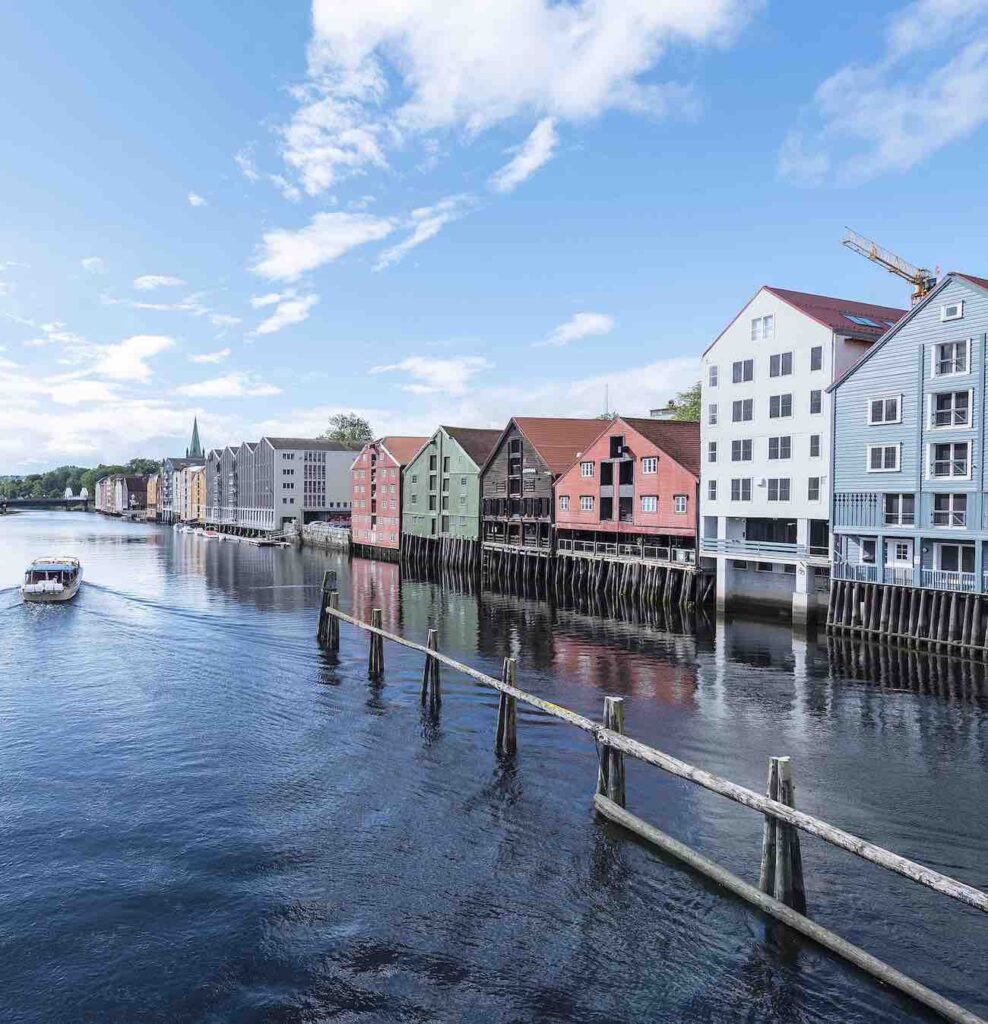
Planning in Norway is strongly guided by strategic approaches and broad state-set goals directing the local level. This is also reflected in the management and development of local cultural heritage. Vignir Freyr Helgason, senior advisor at the Norwegian Directorate for Cultural Heritage (Riksantikvaren) gives an overview of how strategies are developed and implemented in collaboration between the state, municipalities and communities.
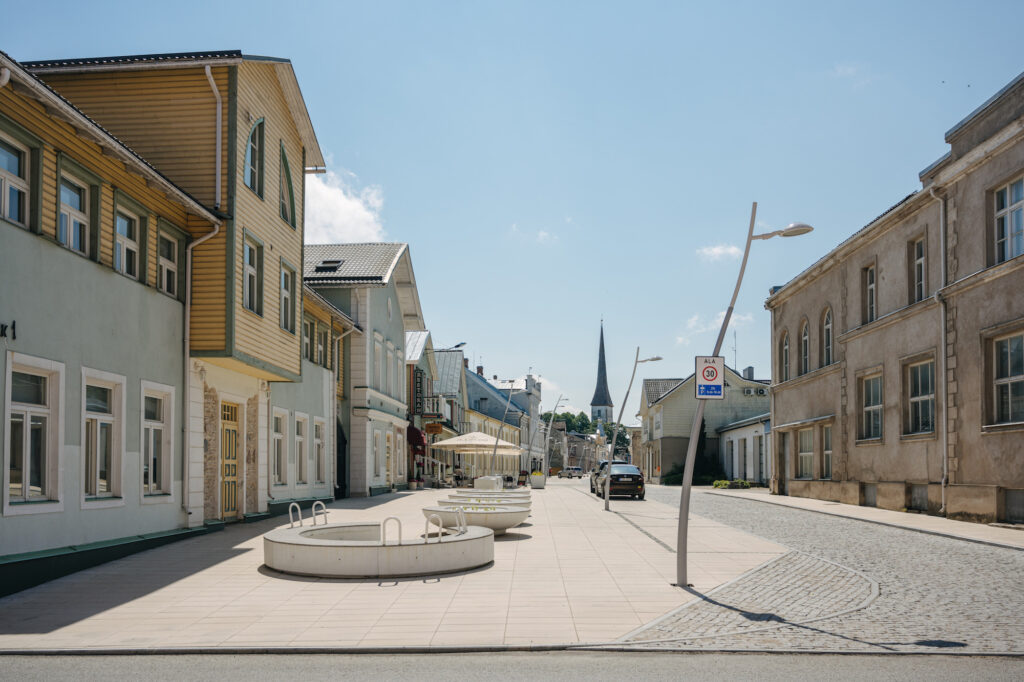
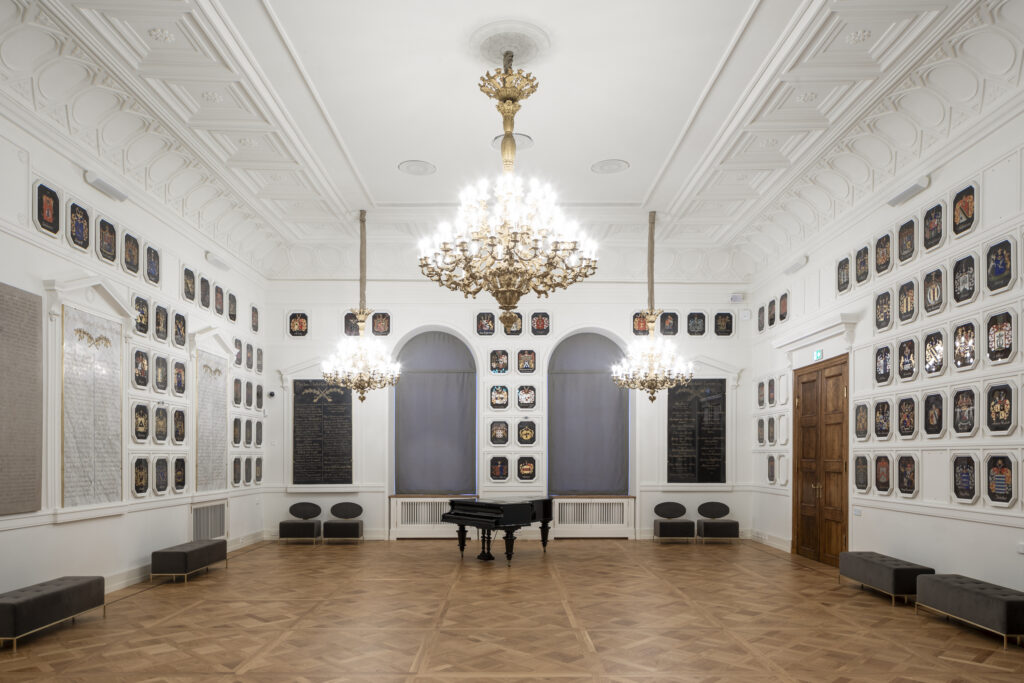
In the course of the programme ‘Great Public Spaces’ dedicated to the 100th anniversary of the Republic of Estonia, the historic street was reconstructed as a contemporary pedestrian-friendly main street. The light monochrome hues of the design create a museum-like exposition complemented with seats, planting, lamps and signage engraved in the pavement and providing information on particular buildings, architectural and landscape objects as well as the town in general.
Lihula is a small town where every new business can potentially shift the focal point. The competition ‘Great Public Spaces’ dedicated to the 100th anniversary of the Republic of Estonia focused on the historical axis and main street of the town–Tallinn Road. Our competition entry ‘Hõbelauk’ aimed at diversifying the street space and highlighting the mysterious local spatial potentials. We wished to allow every new potential to rise and shine thus enhancing the appearance and also natural disappearance of various places.
The field of spatial heritage comes with a kaleidoscopic array of concepts that connect the subject with issues such as the climate crisis, reuse, architecture and urbanism. The used terms need to be clarified and made more familiar.
If there is any feeling of blandness, or risk aversion, or scant sense of place, it is not due to insufficient bike lanes or pedestrian squares, but rather because the larger questions of what is produced and who gets to have how much have already been decided.
Designation of the status of a valuable individual object in a spatial plan could be considered as a reference to an architectural value that should not be unknowingly destroyed and that will be provided with specific conditions upon issuing the building permit or the design provisions.