RUUMILOOME
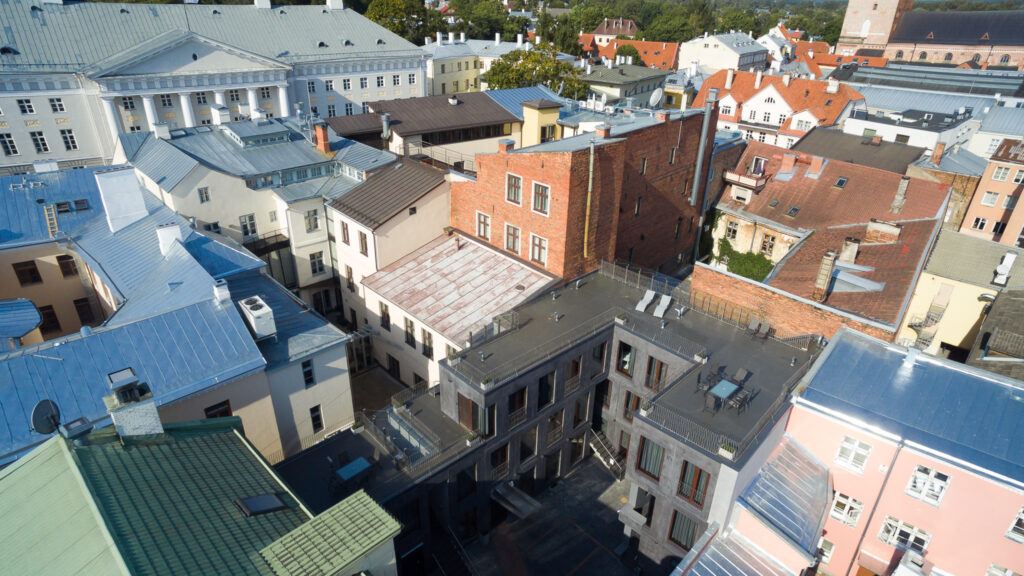
In recent years, environmentally sensitive apartment buildings have been constructed in Tartu city centre that timidly yet vigorously test the boundaries of the current way of life.
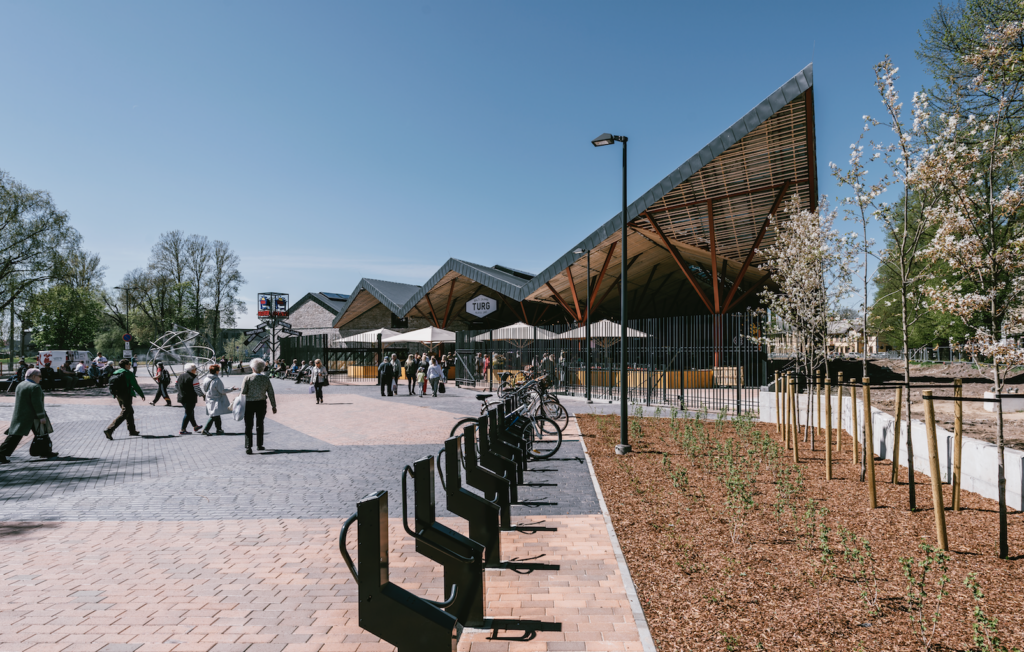
How to design public spaces to make us enjoy our daily movement?
We do not merely need the spatial policy as a document but also the people to implement it.
What changes will the administrative reform bring to spatial planning as seen from the level of the state? Many decisions made by local governments have an impact on space, so how can we make these decisions more informed?
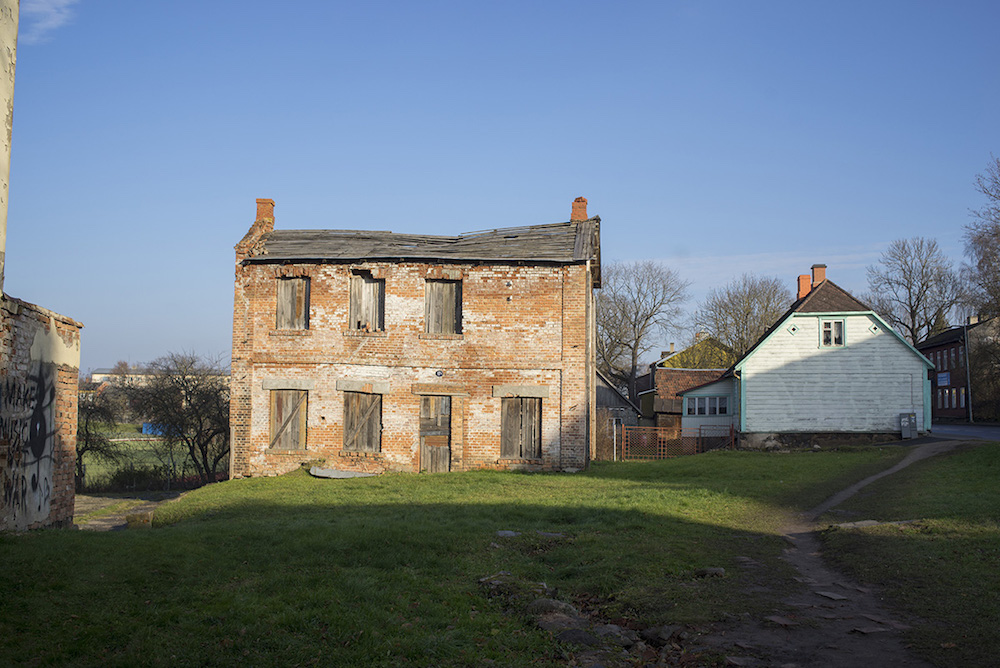
Acting in accordance with statute of the heritage conservation area in a shrinking city like Valga is impossible. Investing in listed buildings (architectural monuments) and buildings located in heritage conservation areas should be promoted in shrinking cities when the support measures for various fields are developed.
To what extent does the administrative reform correspond to long-term settlement changes and the National Spatial Plan Estonia 2030+?
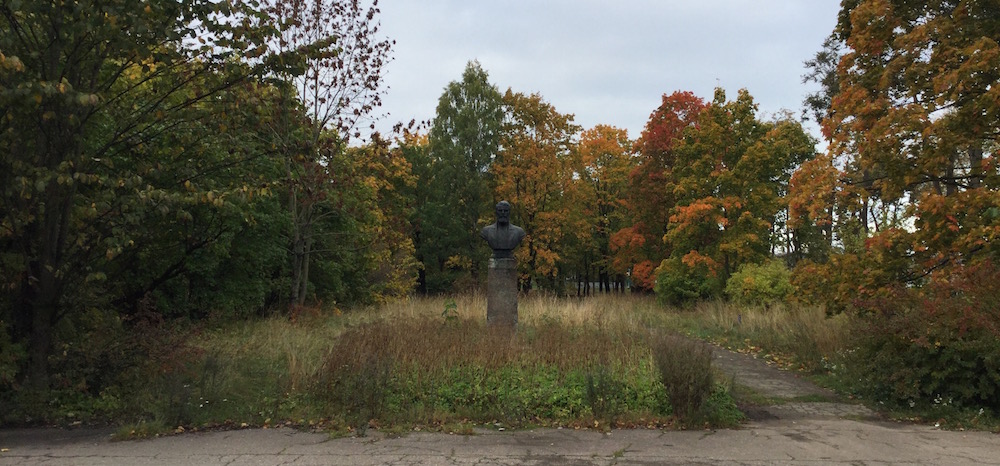
Distinctive places such as a modest park in Kreenholm district can connect the community by approaching citizens in their own way and encouraging the search for a common ground.
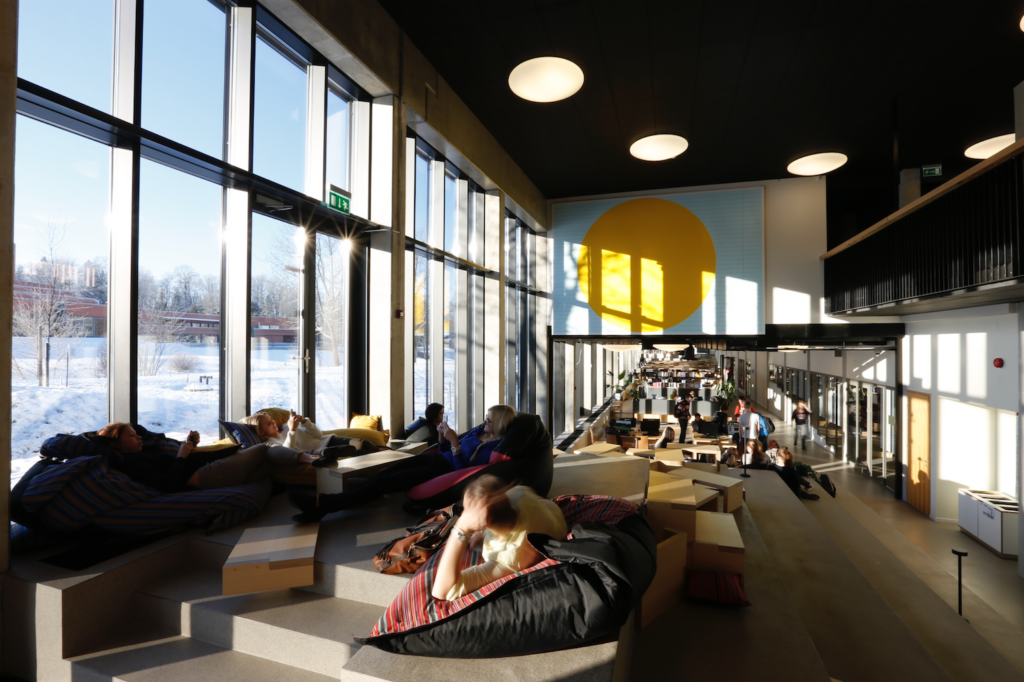
The fate of a shrinking town is greatly influenced by the location and building of the state secondary school. In the course of the process of establishing twenty new state secondary schools, it is only natural to consider what contemporary pedagogy and the respective learning spaces are like.
Estonian culture factories and creative districts yesterday, today and tomorrow.
I am certain that, if we had had to go through the procedure of preparing a detailed plan, we would not have achieved a comparable result. The more time-consuming procedure would probably have yielded a ‘heftier’ solution in terms of urban development as a compensation for the profits lost by undeveloped property. At any rate, the future would have arrived several years later.
Postitused otsas