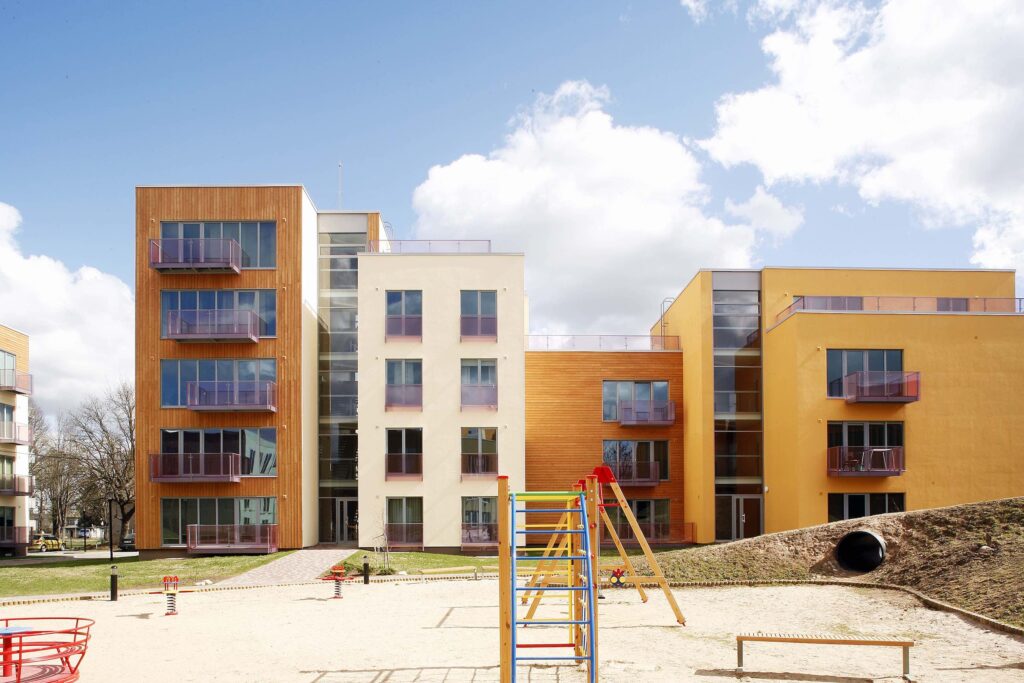
Elo Kiivet revisits Tulbi-Veeriku quarter in Tartu where the friction between these two dimensions has given rise to one of the most praised new neighbourhoods of early noughties in Estonia.
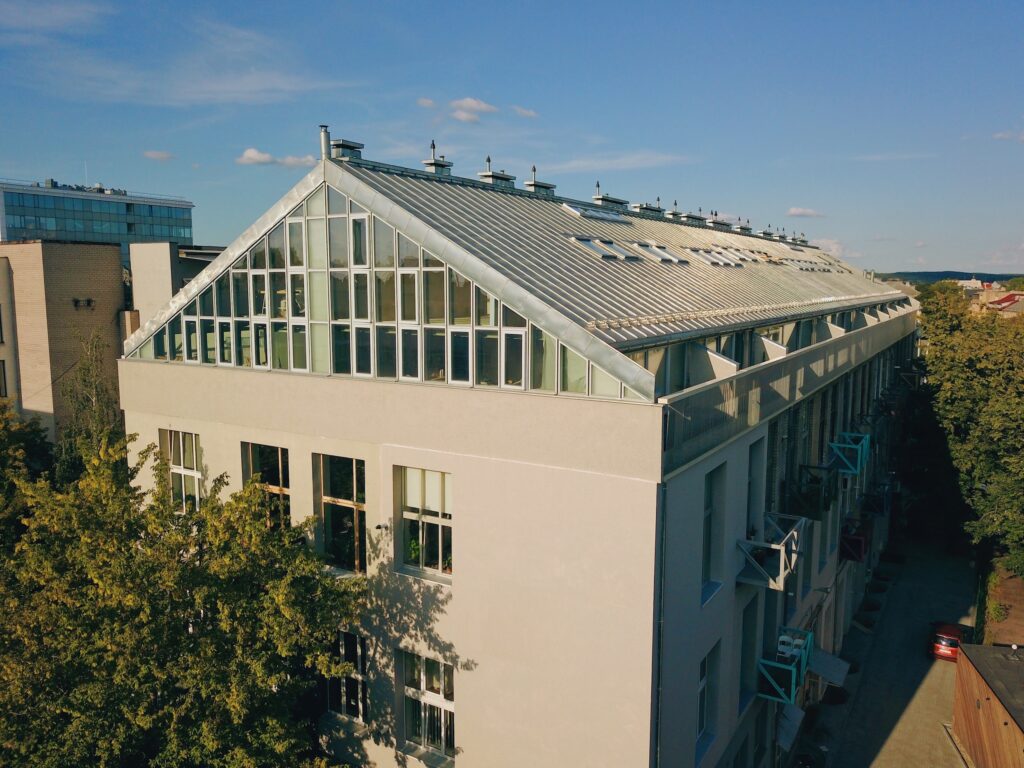
In Vilnius, a group of friends came together to acquire the top floor of a Soviet-era factory building. They later cooperatively developed it into their homes. Laura Linsi talks to Mantas Peteraitis about how the project came to be.
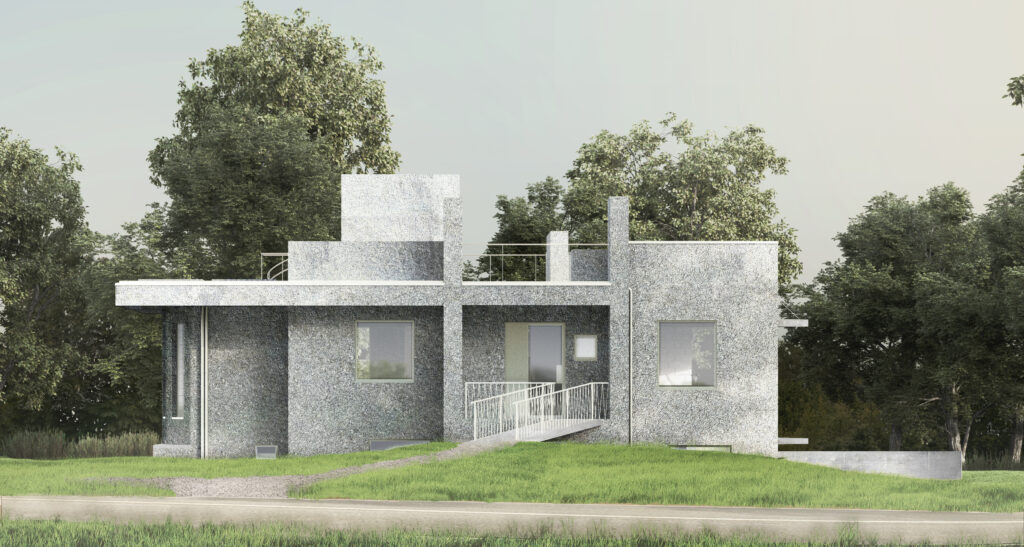
Dagnija Smilga, a founder of the Latvian architecture office Ēter, discusses the project for a single-family house that was halted in the early 2000s, but is now revived under new ownership and architects.
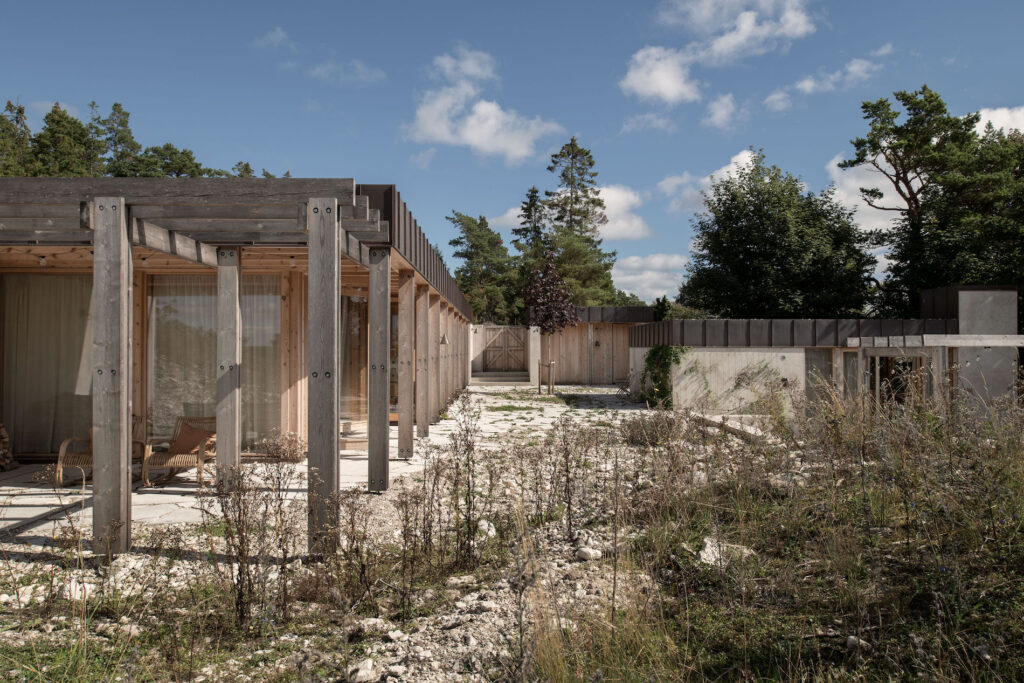
In creating architecture, Ateljé Ö takes cue from materials in their pure form, constructional principles, contextual entities, and finding complexity in the simplest of concepts, write Joel Winsnes and Mats Wahlström Walter.
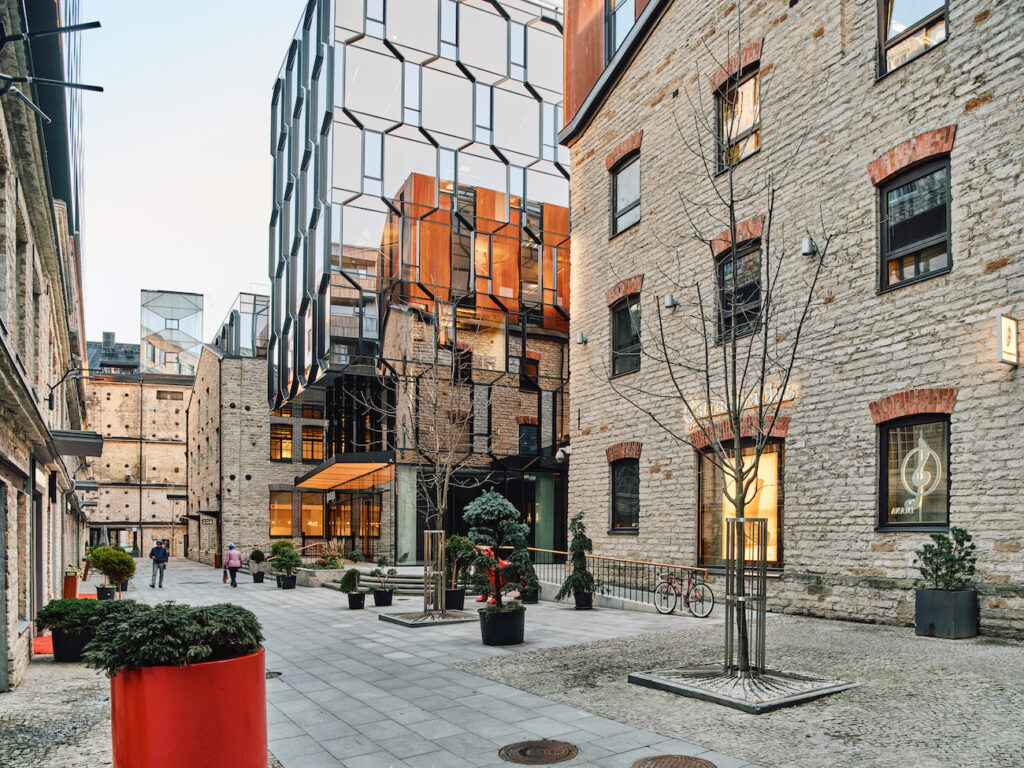
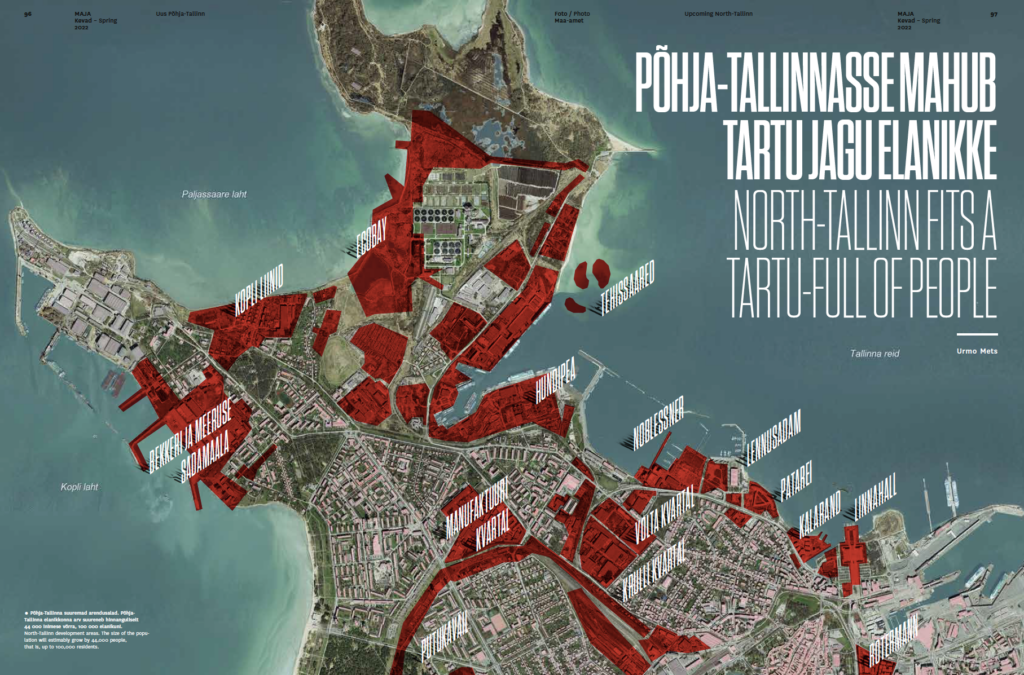
What is the image conjured up by the phrase ‘the industrial heritage of Tallinn’? Is it the Creative Hub (Kultuurikatel), Rotermann Quarter or perhaps Noblessner Foundry (Valukoda)? Henry Kuningas resorts to outstanding examples to describe the main features implemented in the reconstruction of the industrial heritage in the past two decades.
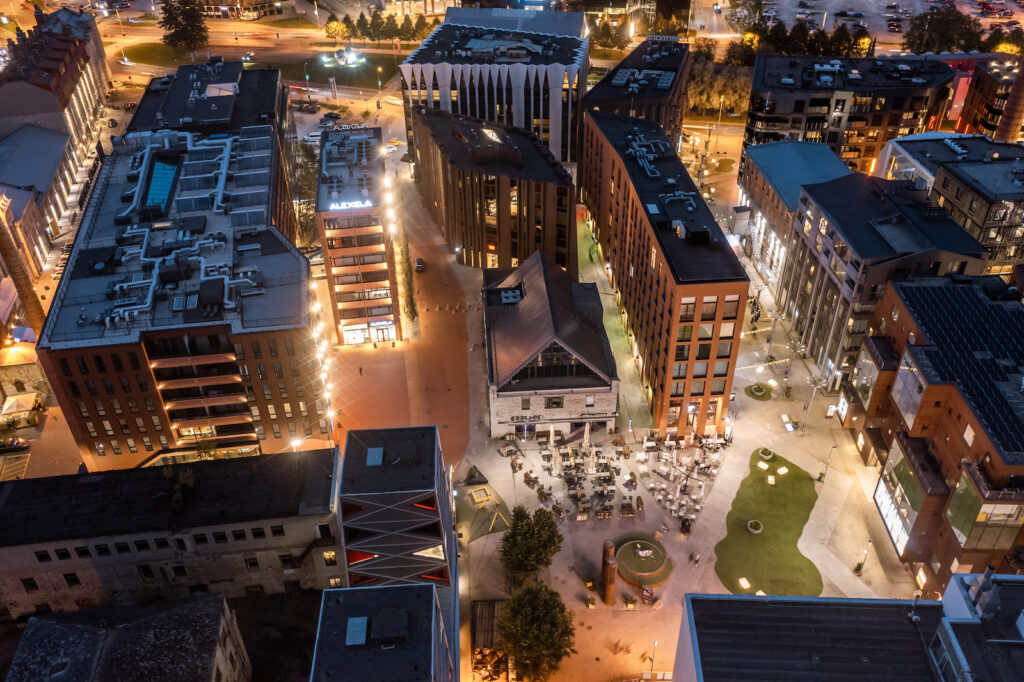
The Rotermann Quarter was the first ambitious attempt in independent Estonia to create a comprehensive and architecturally high-level urban space. 20 years have passed since the confirmation of the zoning plan that underlies the development of the area. Urbanist Mattias Malk examines what lessons could be drawn from the formation of this emblematic and groundbreaking space.
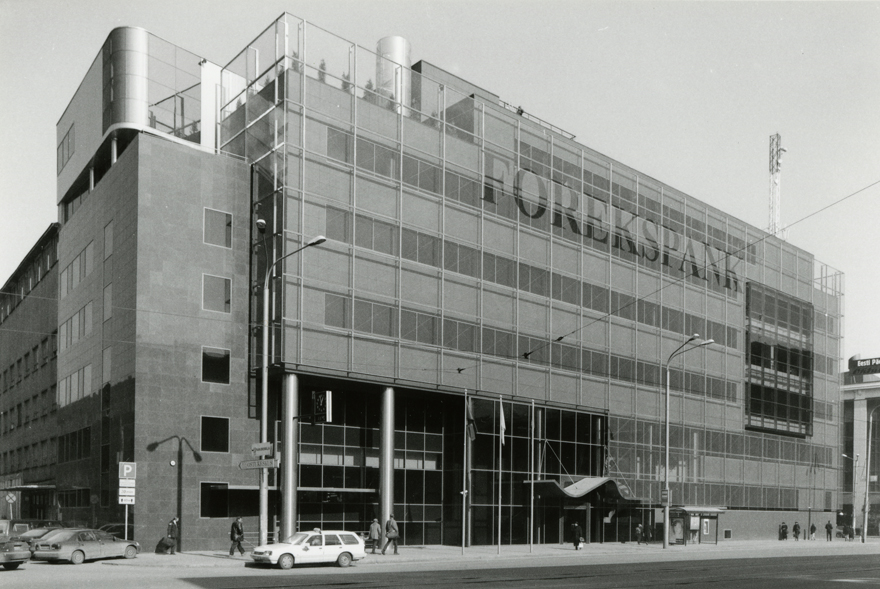
The bank building standing on an old industrial frame on Narva Road proves its ability to also serve as a public library. The obligation to survive various eras and situations is common to both buildings and people, Madli Kaljuste ponders.