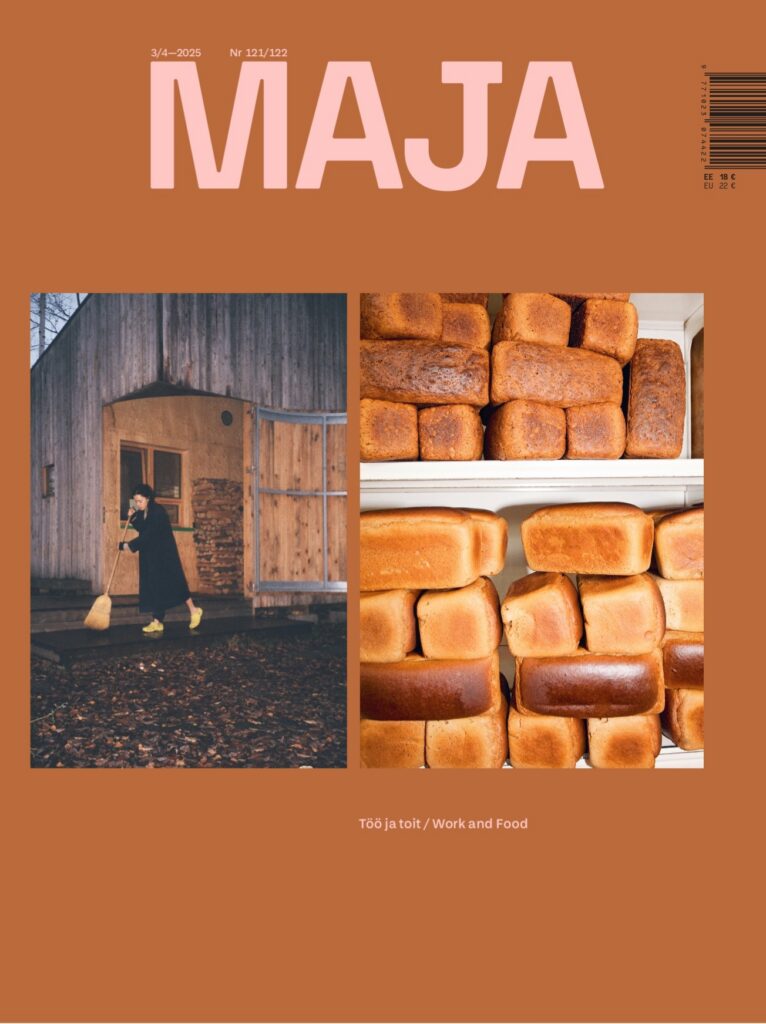
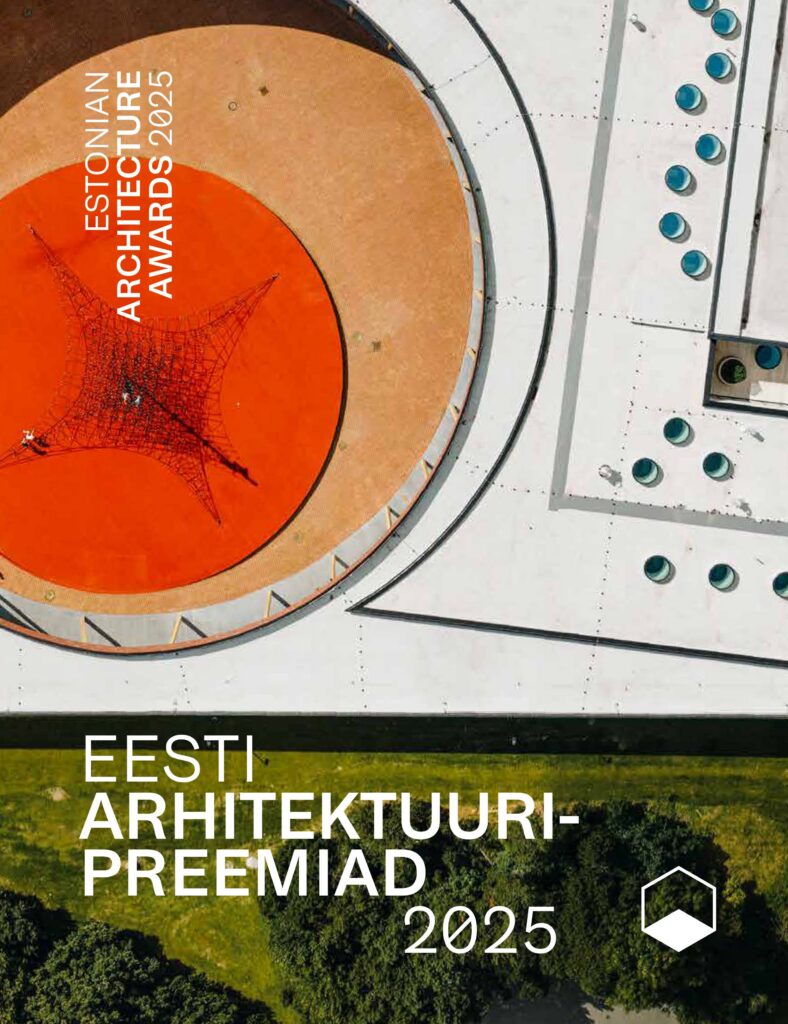
Estonia, Latvia, and Lithuania, collectively known as the Baltics, are three small countries that most of the world finds pretty much indistinguishable. As a geopolitical term, ‘the Baltics’ took root only in the 20th century. The more distant past and cultural history of the three countries differ on several levels. Perhaps it is namely in defiance against externally imposed homogenising simplifications that we tend to turn to more distant places for inspiration and view local trends and tendencies as something confined only to national borders. However, anxious times encourage unity, urging us to discover and interpret our identities ourselves instead of letting others define us. In order to be carried and consolidated not only by fear, but also joy, pleasure, and curiosity we invite to discover commonalities and peculiarities of the Baltic countries! Wide breadth, blurred boundaries, ambiguous endings and beginnings—the charm of the Baltic condition is not easy to grasp. But as Latvians say, per Reinis Salins: ‘Katram savs stūrītis’ (‘Everyone has their own corner’).
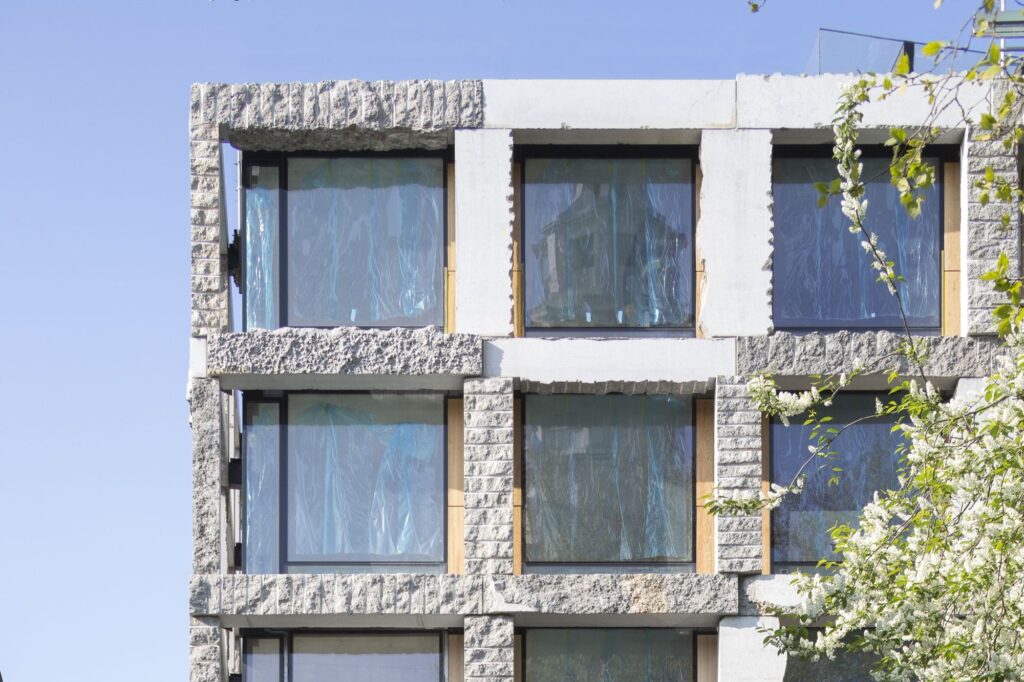
When a certain building technology or material is sidelined for an extended period, one is bound to get the impression that it is intrinsically obsolete. This has happened with natural stone, which architects, when asked about its potential for use, describe only as being too expensive, too labour-intensive, incompatible with the public procurement system and, as can be witnessed in renovation projects, simply too complicated to build with. The inability to imagine a future different from the present is typical to the 21st century, and hence, the main use of limestone in Estonia remains blasting it into rubble that can be utilised as landfill and concrete aggregate.
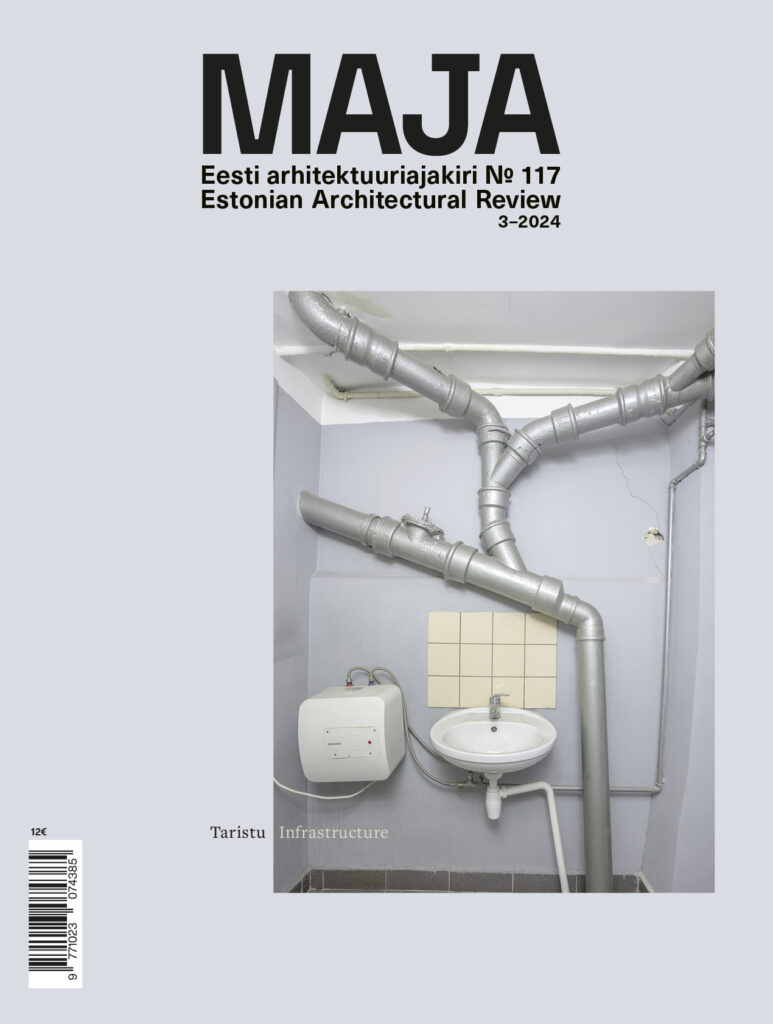
These days, to be is to be connected. Electricity, heat, road and street networks, internet connections, and water supply—it is as if all these intersecting and sometimes overlapping networks have become basic human rights. If these networks function well, our dependence on them goes unnoticed—we rarely take a moment to acknowledge the energy that travels across the sky, through underground and underwater pipelines, through wall cables, into millions of devices. On the other hand, when something disrupts the functioning of these networks, be it military aggression by a tyrannical neighbour, a sharp rise in prices, or catastrophic weather events, the political, economic, ethical, and often also spatial dimensions of these structures suddenly become apparent.

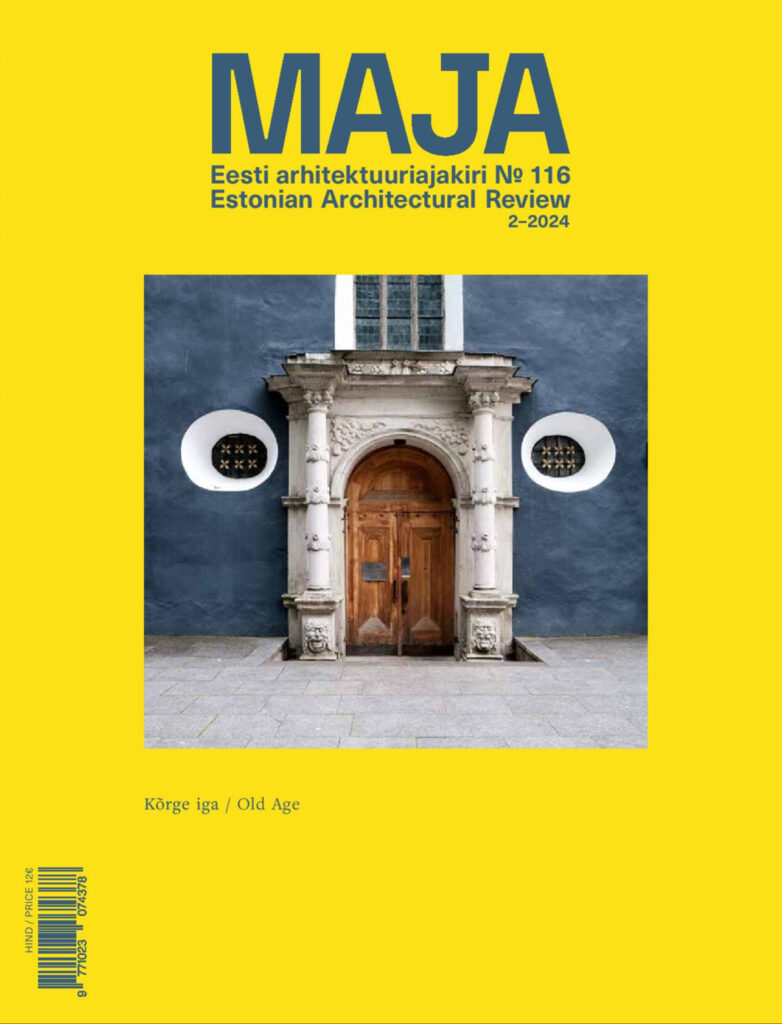
Most people are more or less consciously preparing for old age, the most ordinary and nationally approved preparation consisting in accumulating money into pension funds. Are we opening Pandora’s box when we ask how and if these most common investment funds affect environmental and social developments now and in the near future?
Islands have always inspired mystical tales. Can we also talk about distinctive island architecture and island space?
The group exhibition, The Houses We Need at Estonian Museum of Architecture (11.06-21.11.2021) showcases 16 commissioned designs for houses ‘with the aim of ensuring a more beautiful, secure and peaceful future on planet Earth’.
Maja spring 2021 edition is on sale in Estonia. For subscriptions please contact info at ajakirimaja.ee
No more posts