Andres Sevtsuk is a Professor of Urban Science and Planning at the Department of Urban Studies and Planning at MIT, where he also leads the City Form Lab. Maroš Krivý is a professor of Urban Studies at the Estonian Academy of Arts.They shared their insights on current state and challenges of Estonian architecture.
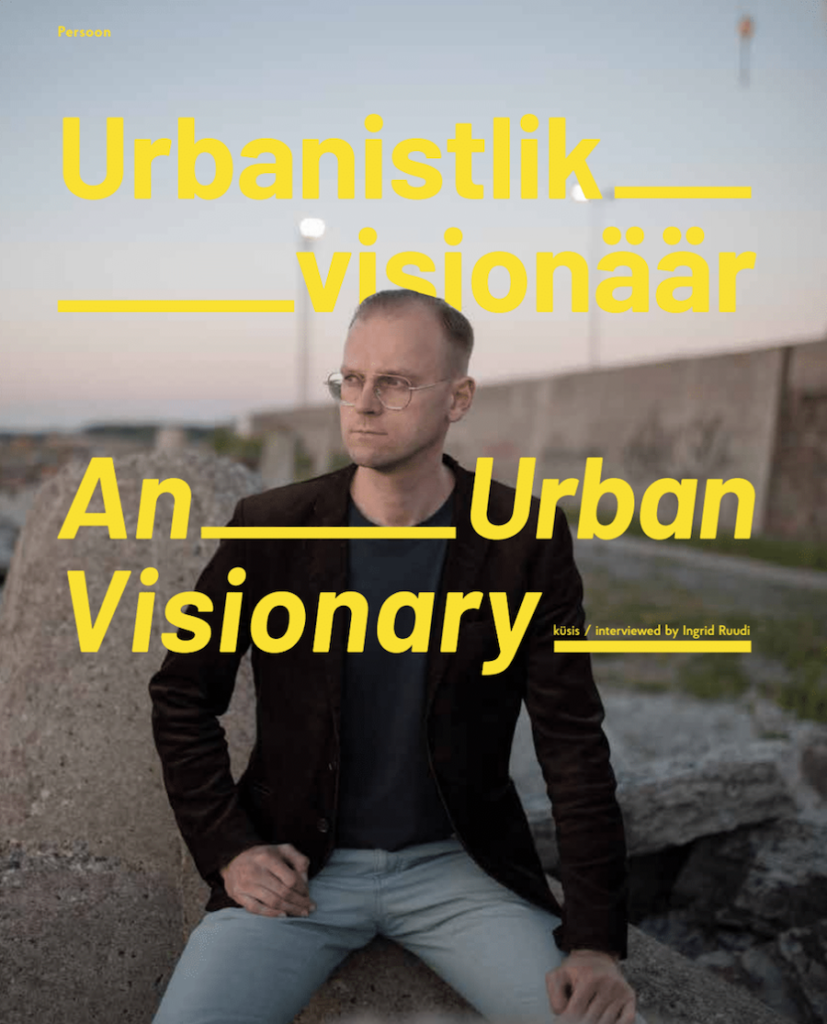
Villem Tomiste is like a figure from the beginning of 20th century Young Estonia movement – genuinely European, deeply urban, and as such, slightly suspicious for the local conservative community. Unlike many architects who preach social benefits, he actually lives by what he promotes in his civic visions – urbanistically to the core, commuting on foot and by tram, avoiding over-consumption, and with a refined aesthetic sensibility. Contemporary spatial culture is, for him, a field of opportunities: extending from urban planning and landscaping projects to dialogues with contemporary music, the visual arts and various exhibition practices.
Every act of redesign, renaming or shift, especially in downtown, always bears reference to choices and decisions with a broader ideological background.
The Urban Forum held on June 14th–15th was looking for the subtle balance between the activities of visitors and locals as well as the old and the innovative new.
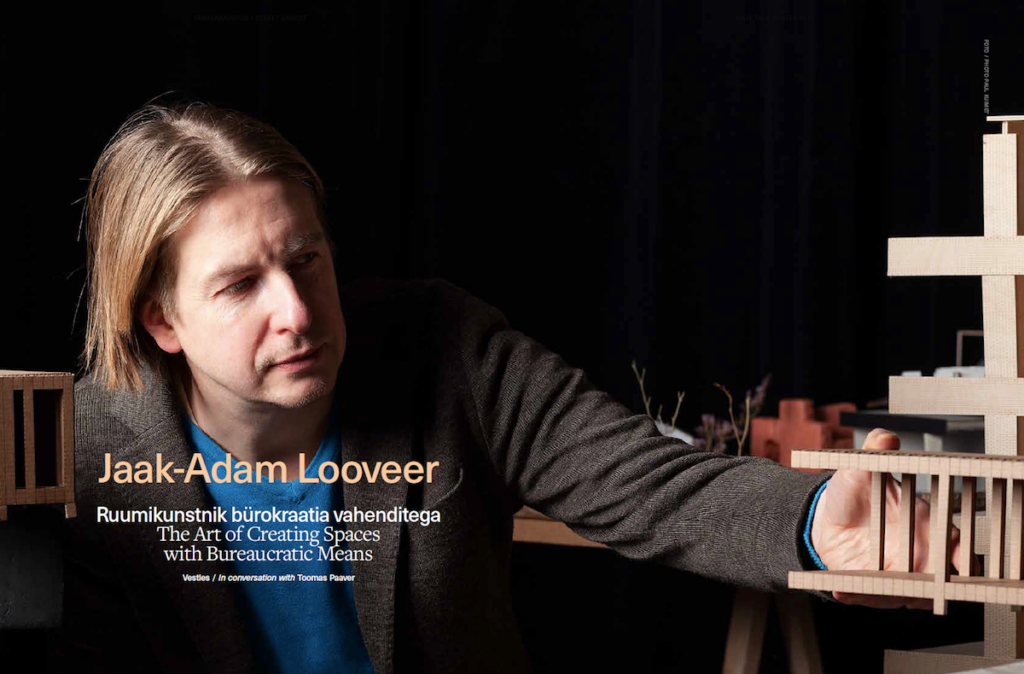
All pioneering and innovative projects need support to prevent them from getting stuck in the old rut under the pressure of red tape.
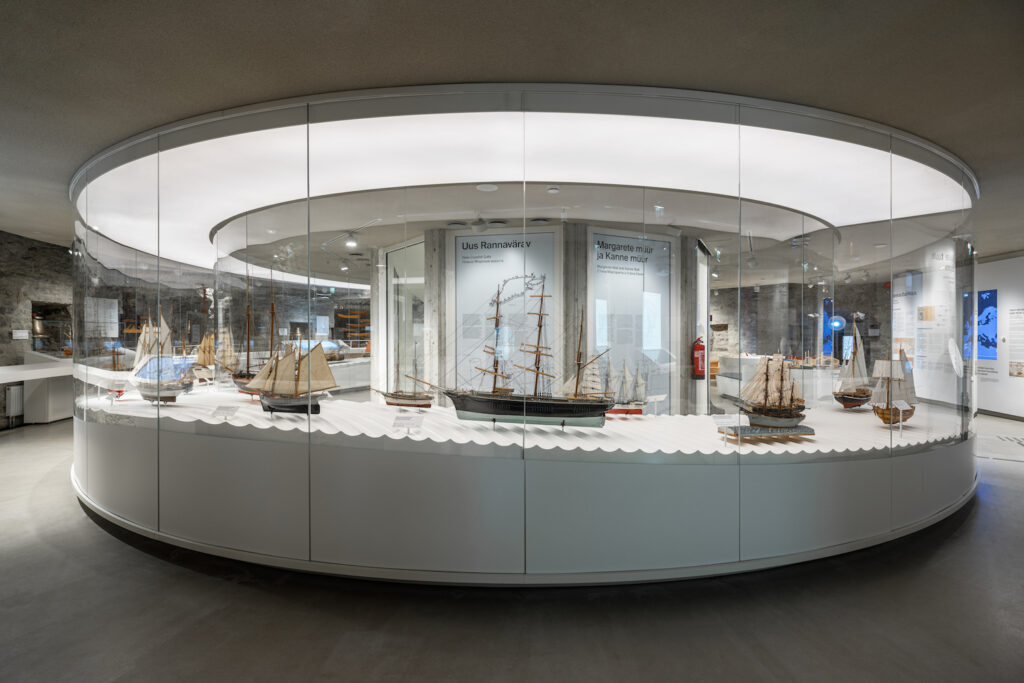
Could a space be experienced before its completion? The authors of the interior architecture of Fat Margaret museum discuss how they used photogrammetry and virtual reality technology in the design process and how it facilitated the communication between the various project partners.
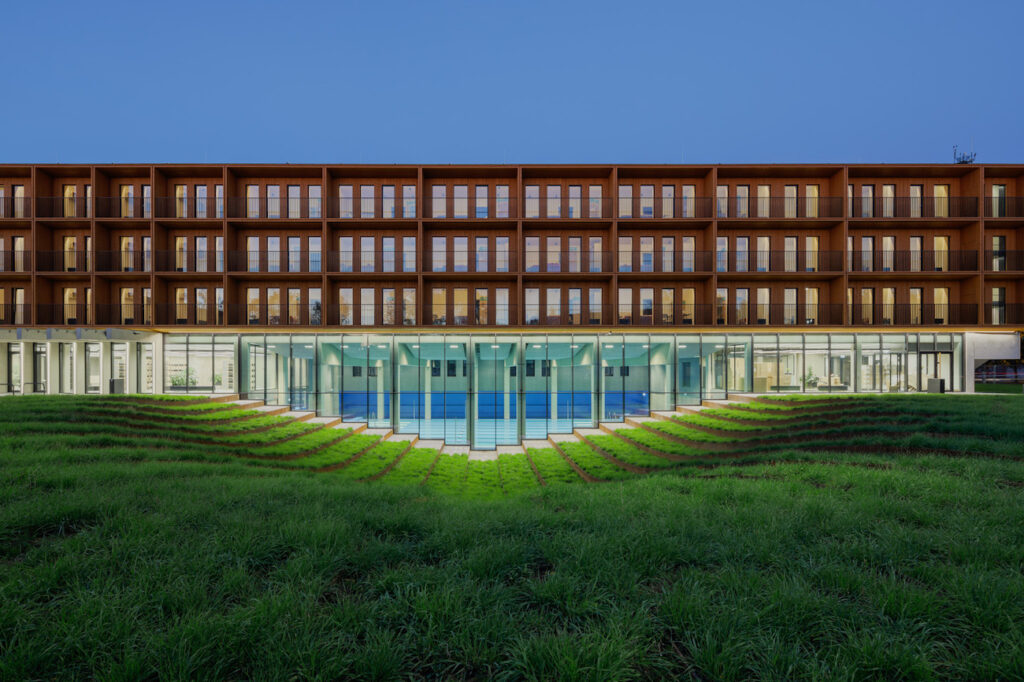
How did a landmark in wooden architecture—the largest public wooden building in Estonia—come to be?
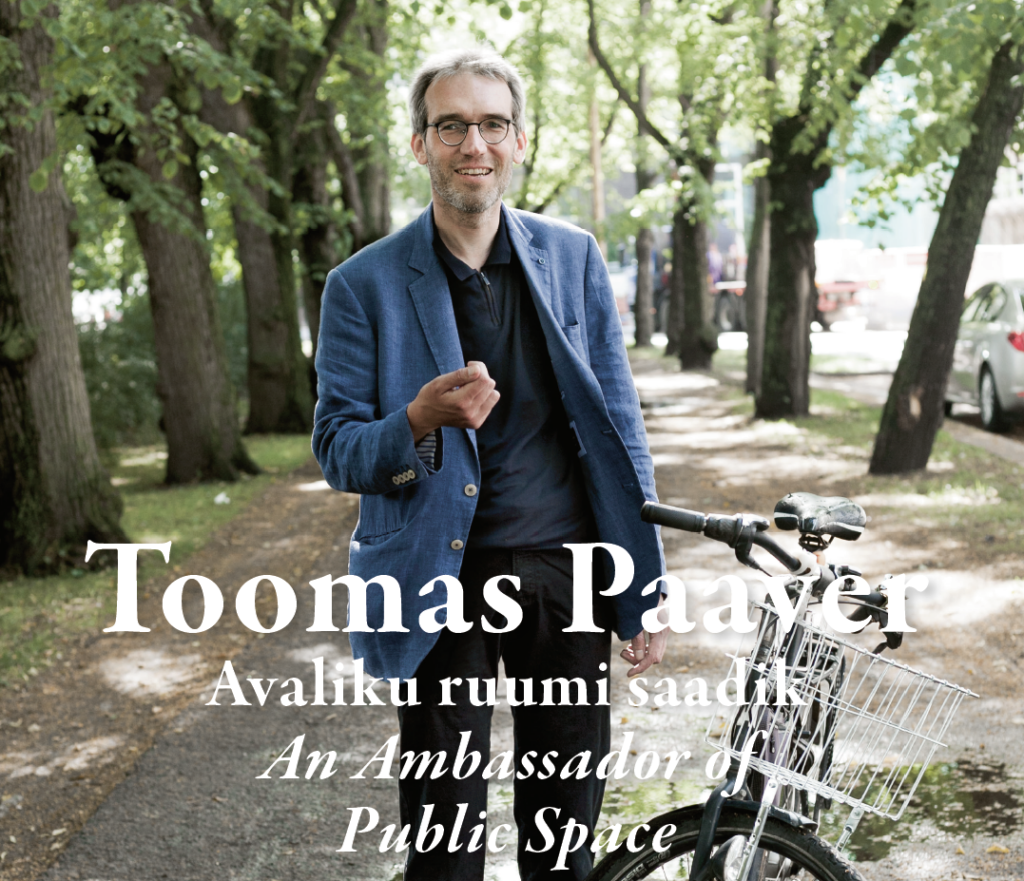
Toomas Paaver admits that solving some problems of spatial planning may indeed seem impossible, however, the self-same impossibility has always intrigued him. His way of thinking is marked by spatial structuredness and ability to find causality in complex connections providing his perception and argumentation with a particular grasp. Would it be possible to work with such a versatile topic as a functioning common space in any other way?
No more posts