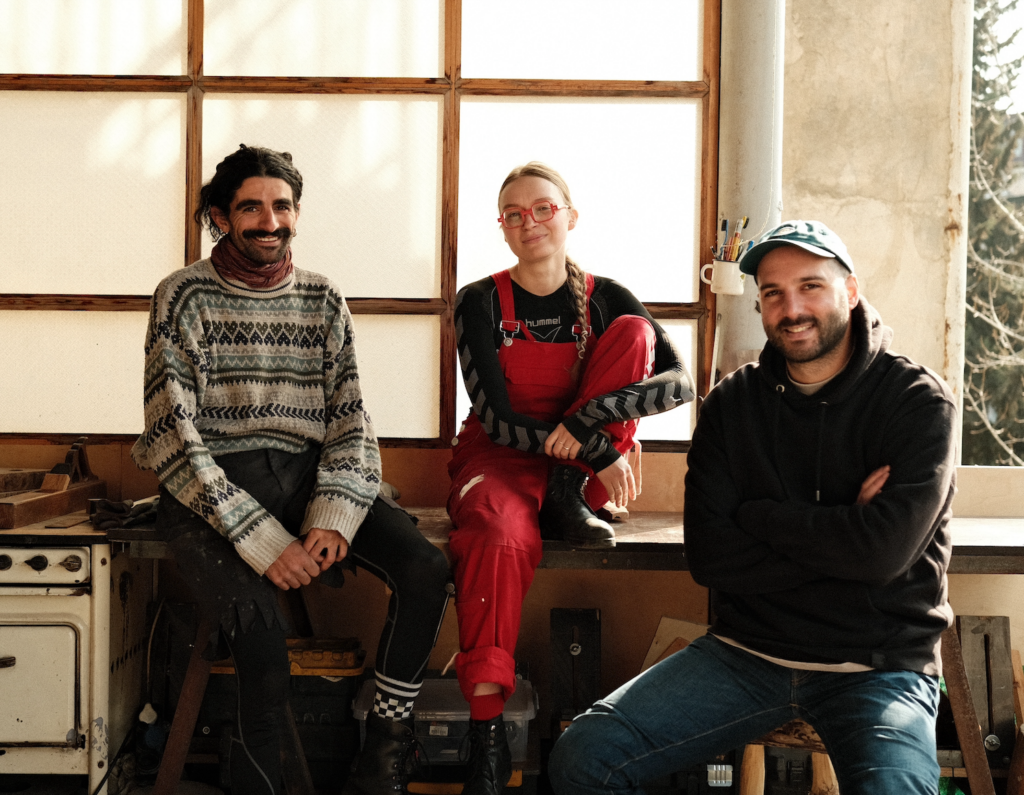
Garbage Kids is a collective of architects-turned-carpenters. The driving force behind their work is their frustration with a society that prioritises growth over sustainability and encourages overconsumption in a world with limited resources. In response, they use traditional craftsmanship and folk wisdom to create objects from found materials such as broken branches, scrap metal, and stones from abandoned quarries. Their practice strives to be intuitive, explorative, and free. Luka Abashidze, Ulla Alla, and Nika Gabiskiria share their thoughts.
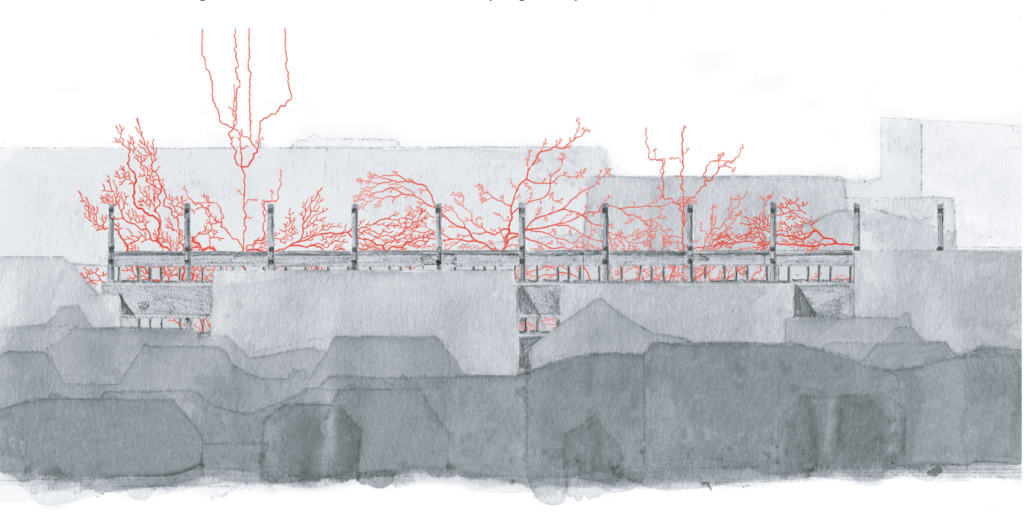
Any kind of construction must be stopped. Based on her Master’s thesis ‘30 Years of Pause. Research about doing not’ that she defended at the Eesti Kunstiakadeemia / Estonian Academy of Arts in 2021, Ulla Alla asks, "Is it enough already?"
What is an architect’s work, and what is its result? Is it a finished building, street, auditorium? Or is it an abstraction of these things—a design, i.e., project documentation that will be translated into a building by someone else? We asked several architecture collectives for their opinion.
How should we define heritage in a paradoxical situation where both the building and its surroundings could be regarded as heritage objects? Our editorial board asked architects to muse on the future of the building.
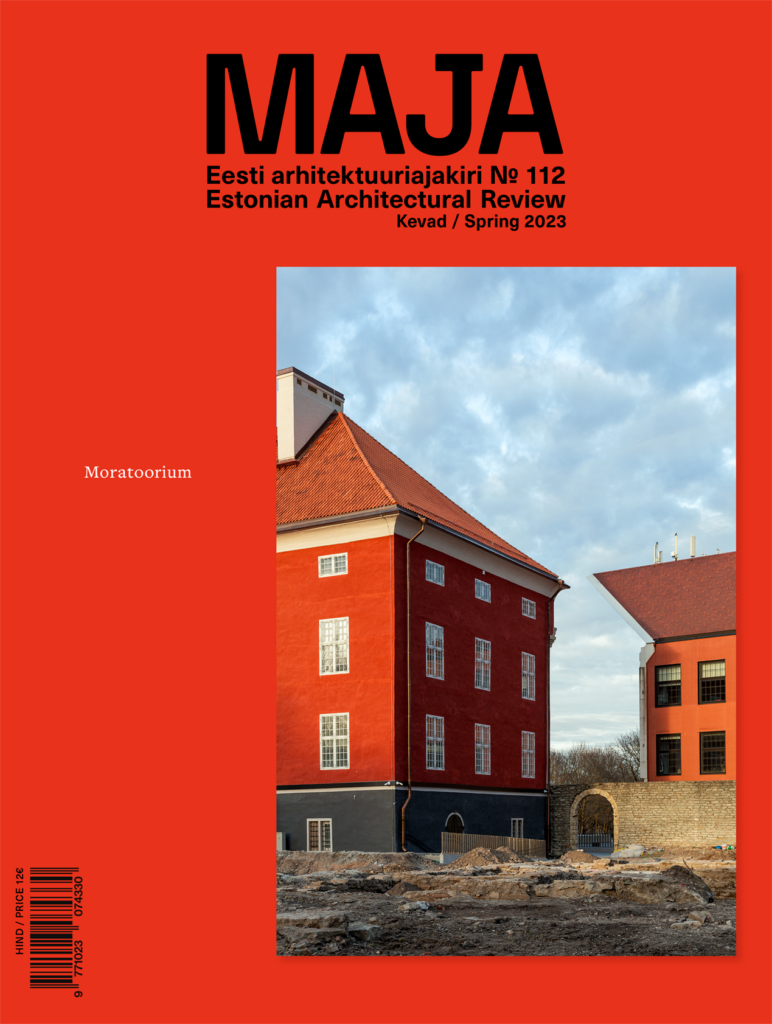
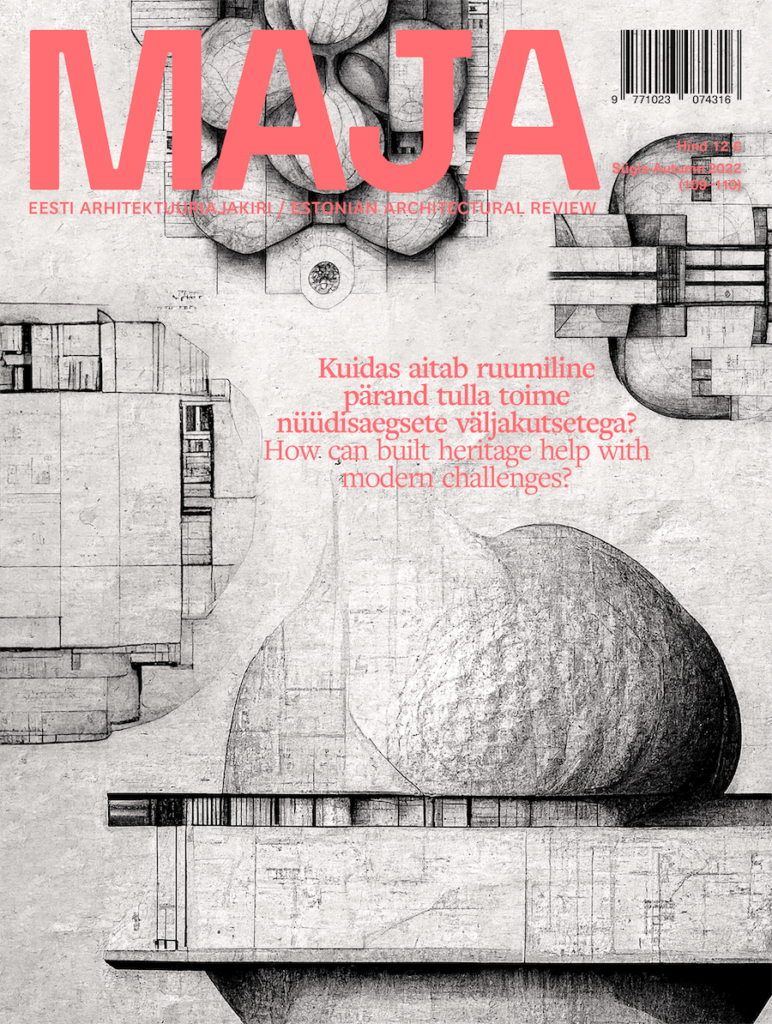
This issue of Maja takes the call for a moratorium on all new construction as its starting point.
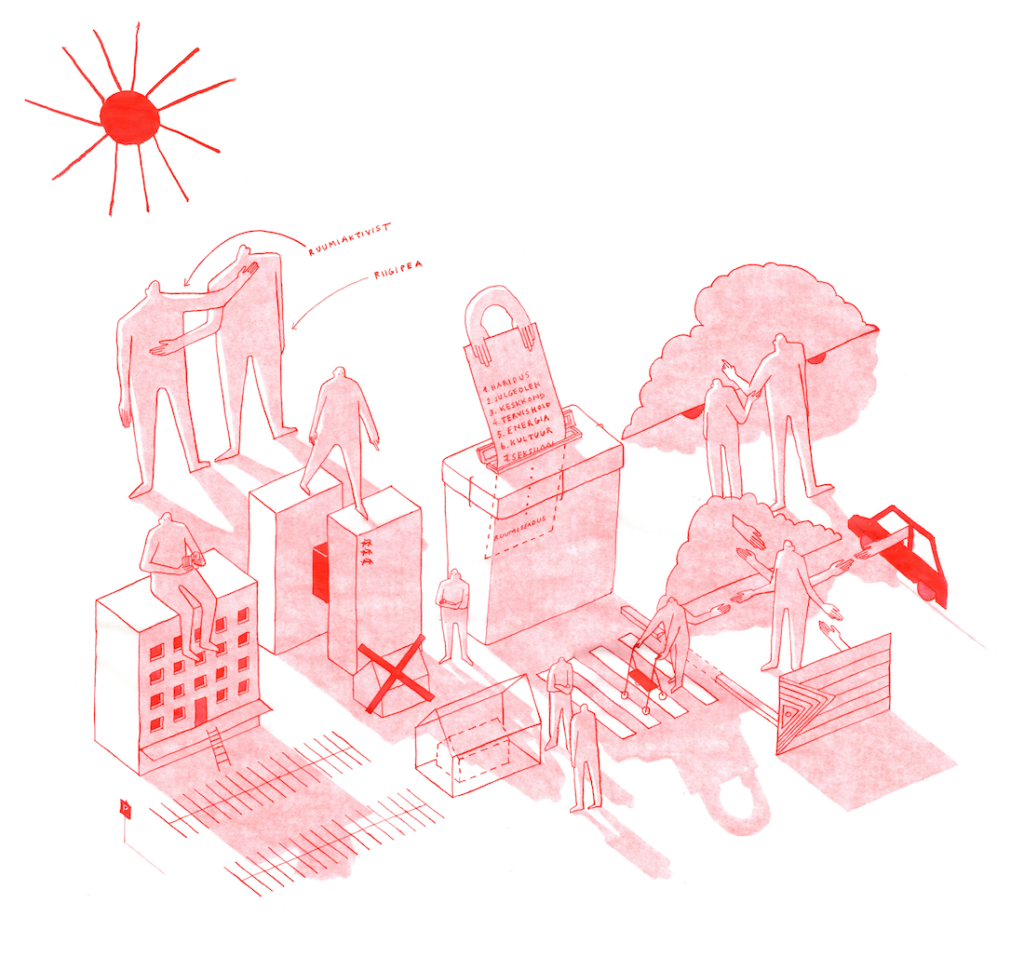
How about we agree that from here on out, we will be implementing only good spatial solutions? Okay?
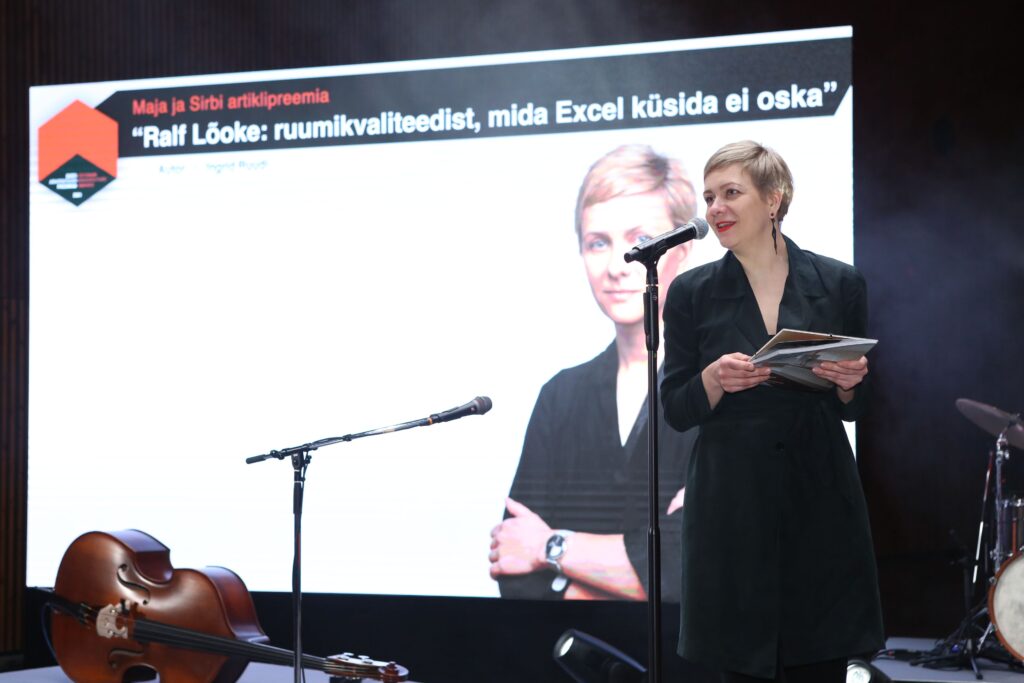
The nominees and winners of this year’s Maja and Sirp Publication Award were selected by historian, cultural critic and assistant professor at the University of Southern California Aro Velmet, who highlighted the articles’ bold takes on broader social issues.
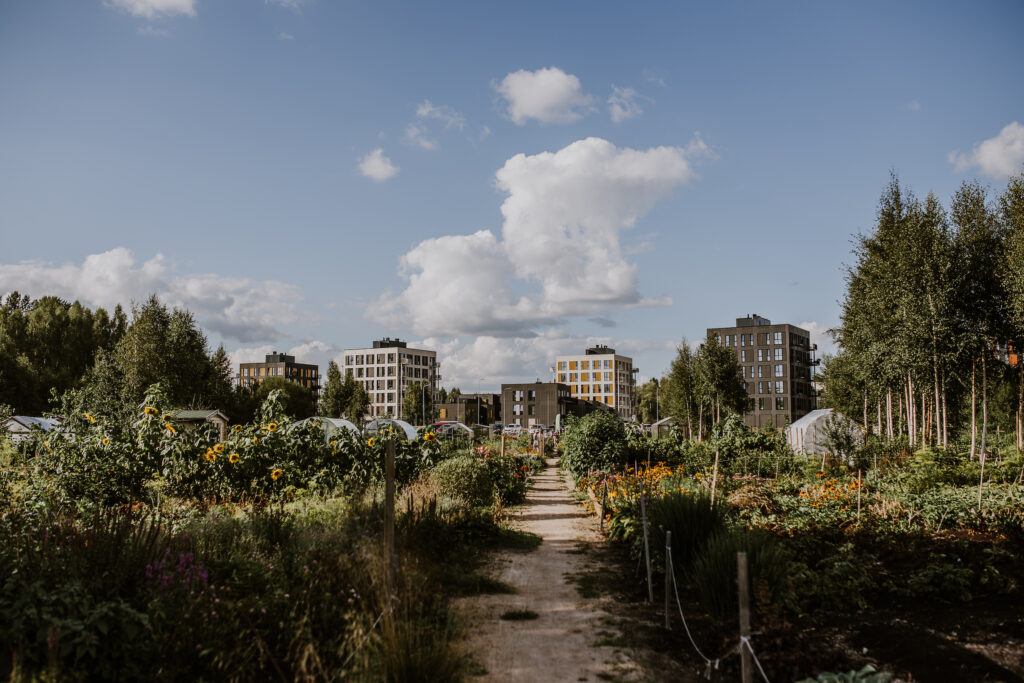
Henri Kopra, Iiris Tähti Toom, and Bianka Plüschke-Altof write about apparently modest urban gardening sites that comprise a wealth of ecological, spatial, and social infrastructure.
No more posts