Laura Linsi talks to Keiti Lige, Elina Liiva, and Helena Männa to discuss whether the cornerstone in the renovation marathon is the concrete panel—or whether it is strong human relationships instead.
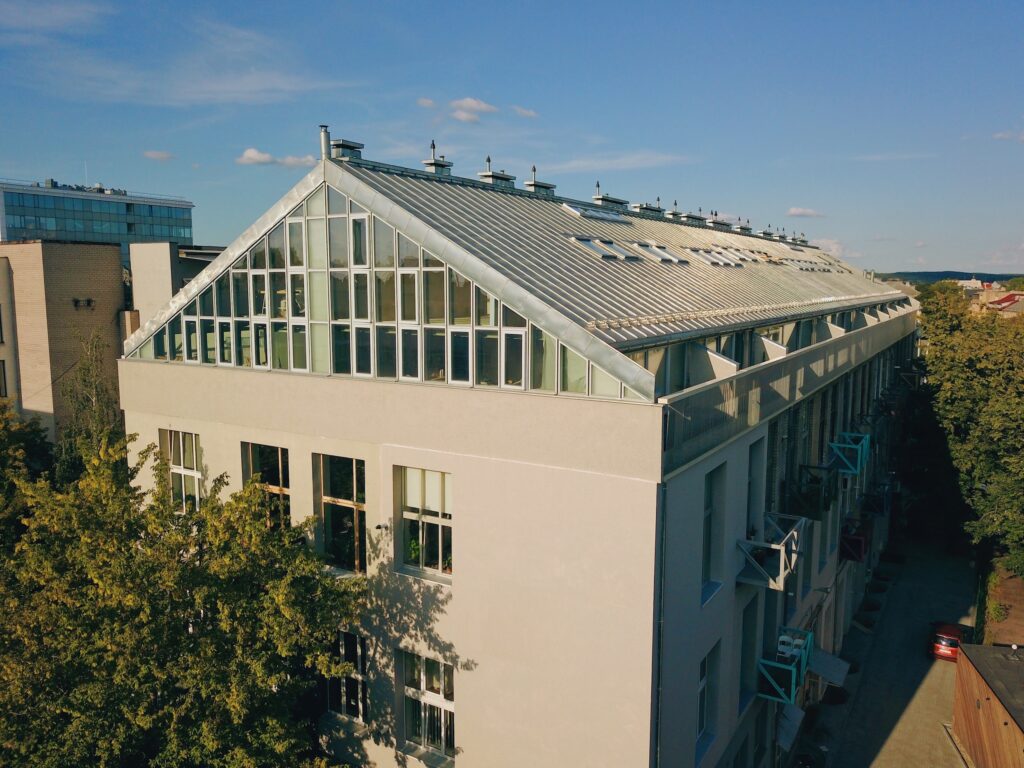
In Vilnius, a group of friends came together to acquire the top floor of a Soviet-era factory building. They later cooperatively developed it into their homes. Laura Linsi talks to Mantas Peteraitis about how the project came to be.
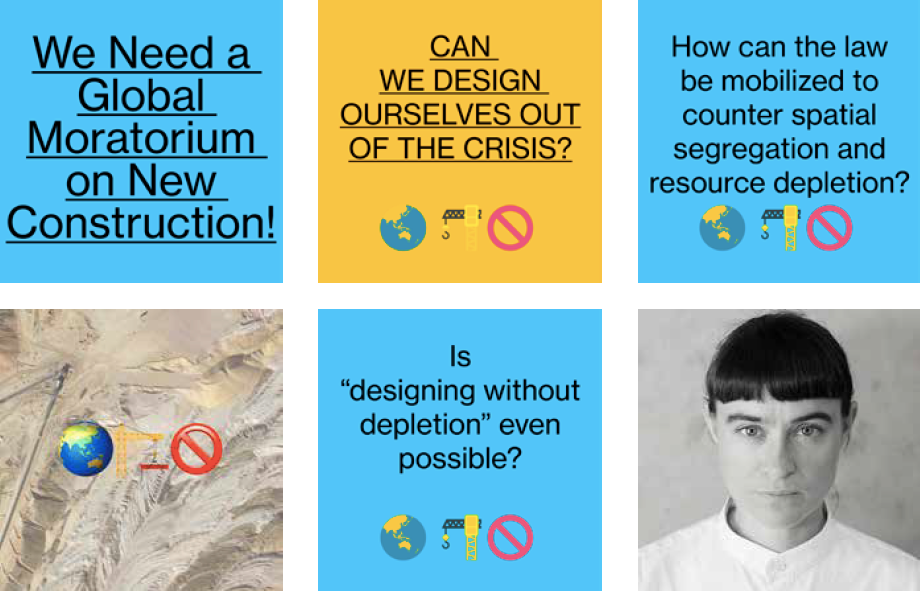
Laura Linsi writes about the architect and educator behind ‘A Moratorium on New Construction’—the initiative that argues in favour of reviewing what in space production is desirable and what has ceased to be so.
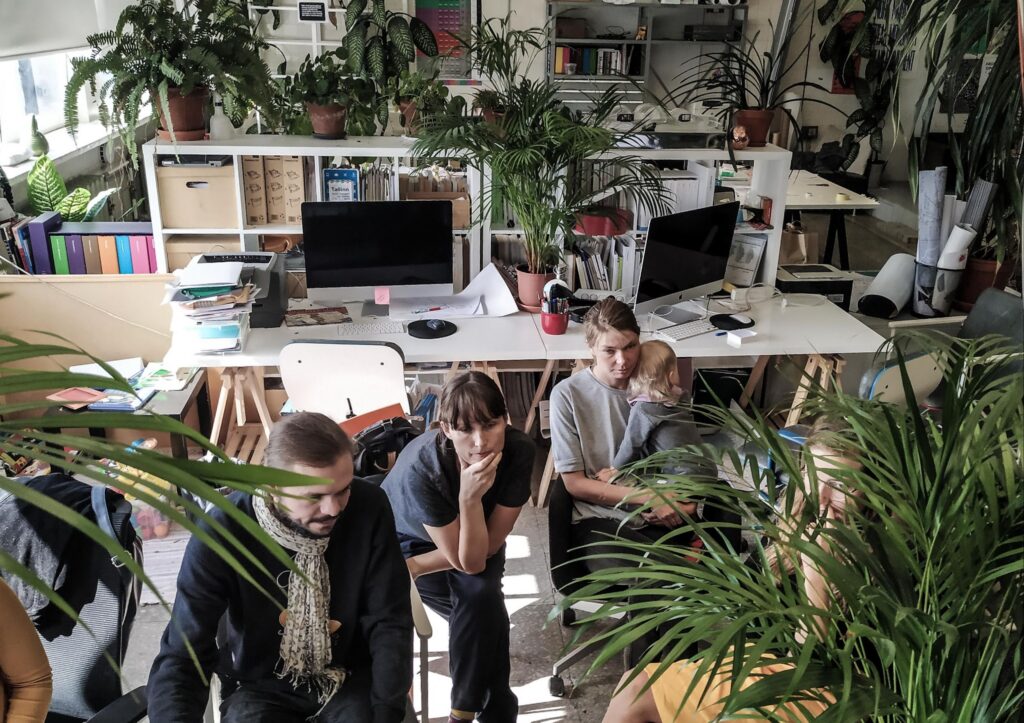
Twelve respondents—offices, architects, and collectives—describe what they take to be the result of an architect’s work. Their answers are accompanied by images of workplaces and moments in which the result is most clearly seen.
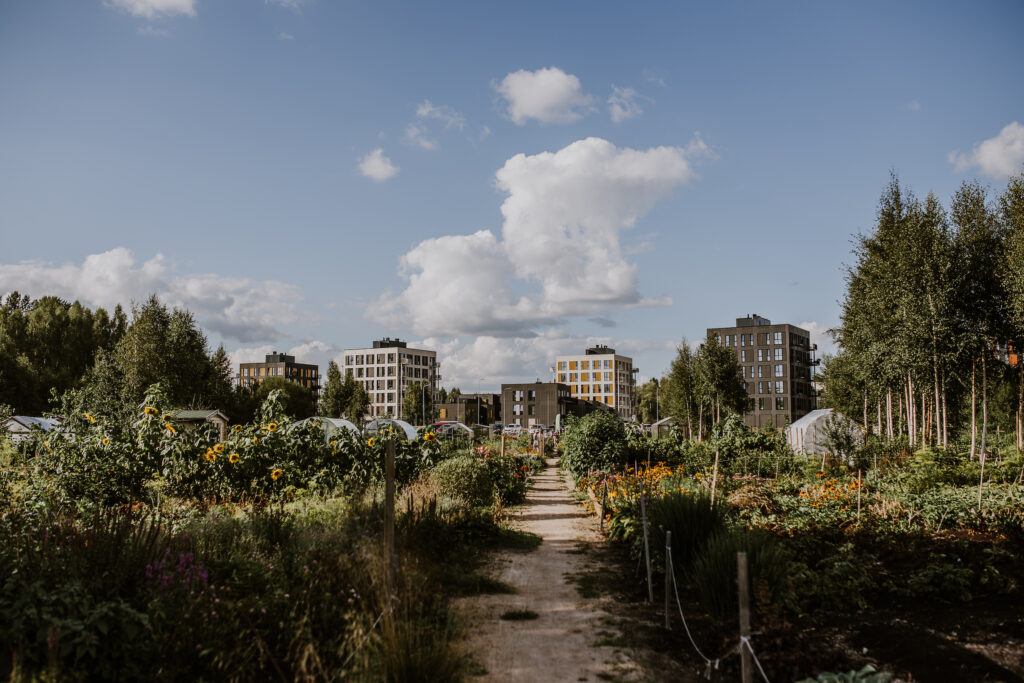
Henri Kopra, Iiris Tähti Toom, and Bianka Plüschke-Altof write about apparently modest urban gardening sites that comprise a wealth of ecological, spatial, and social infrastructure.
What is an architect’s work, and what is its result? Is it a finished building, street, auditorium? Or is it an abstraction of these things—a design, i.e., project documentation that will be translated into a building by someone else? We asked several architecture collectives for their opinion.
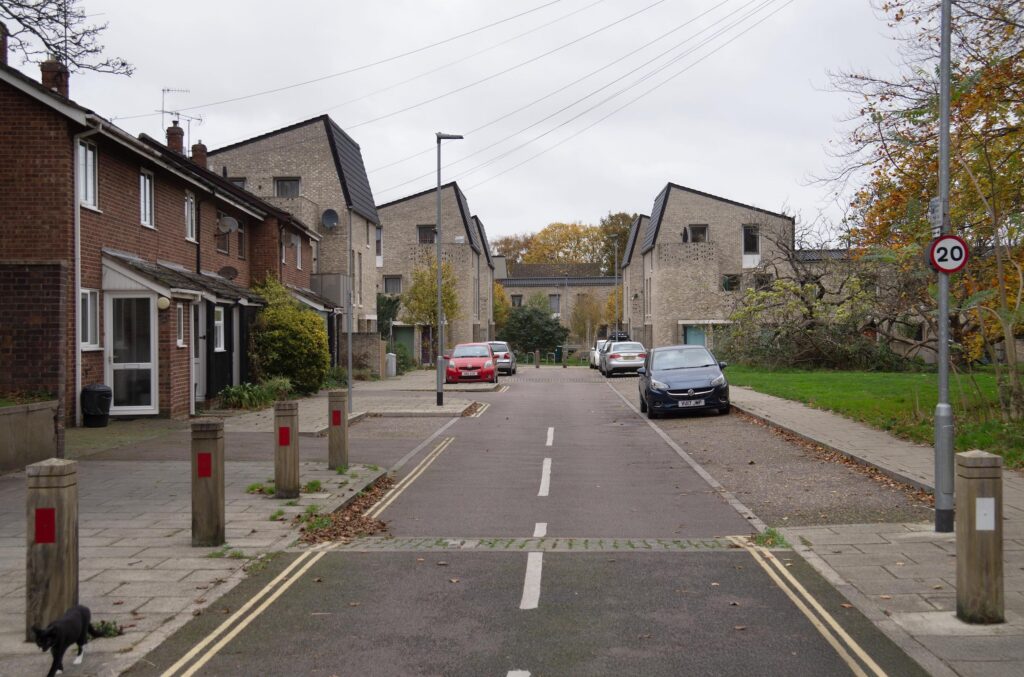
In the UK, a number of councils have adopted the passive house method in order to realise their growing ambitions in the housing sector. Could this also lead to an increase in spatial quality?
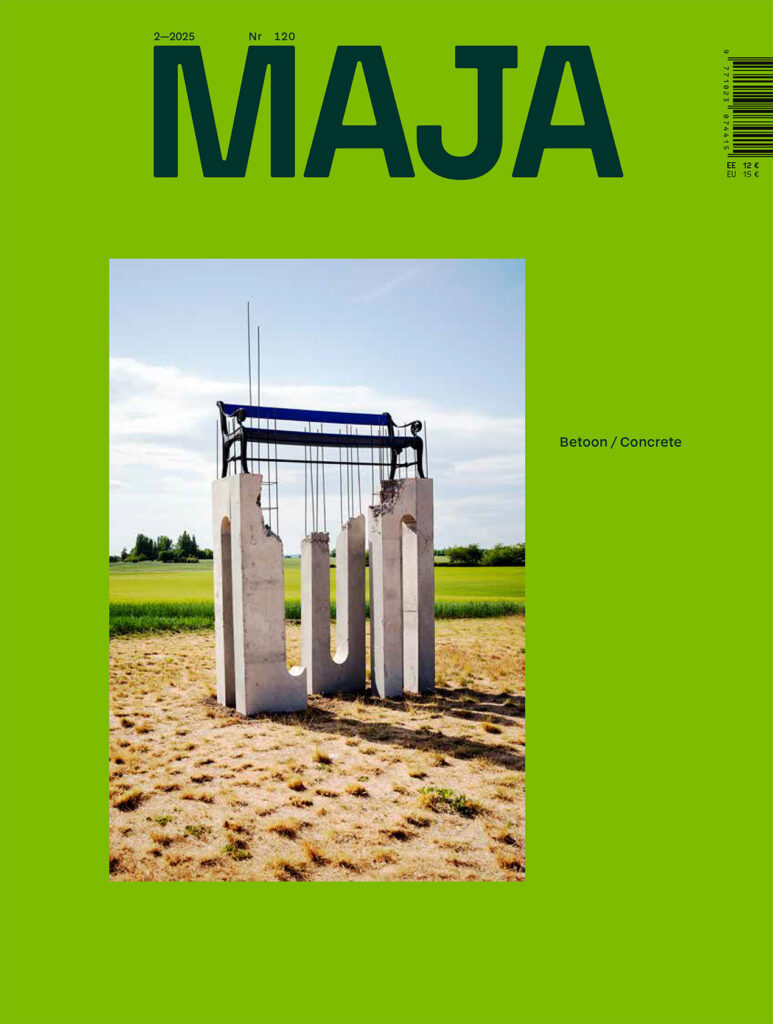
Where is the line between genuine development and pointless construction? How to use concrete reasonably rather than wastefully? In what form should concrete figure in contemporary architecture?
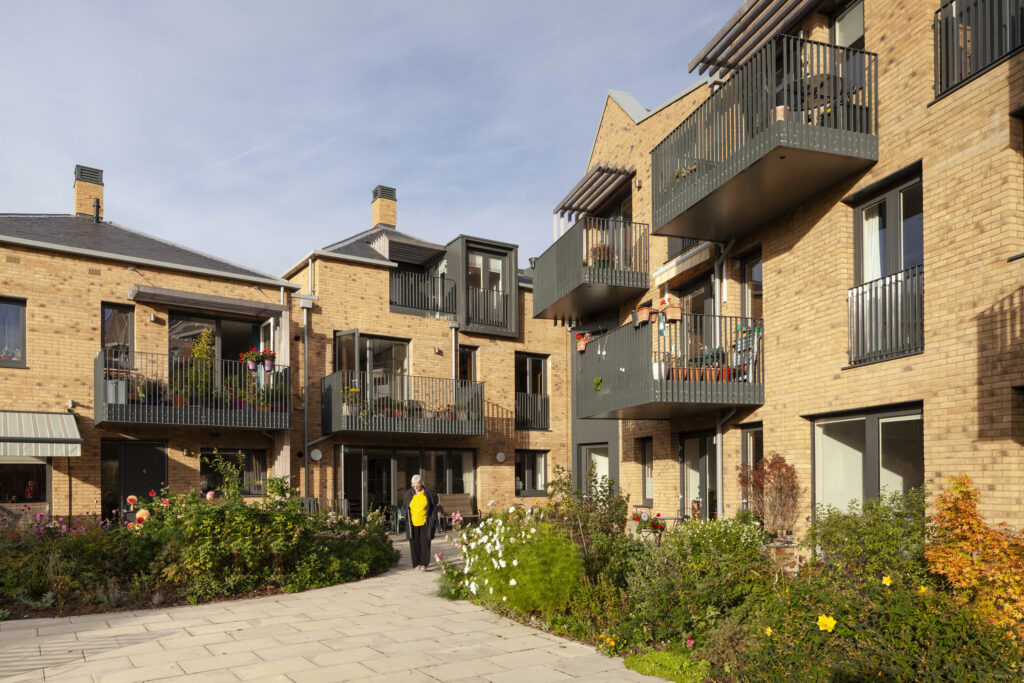
In 2016, a group of women moved into a building in the borough of Barnet on the outskirts of London—a building that had been developed and built in collaboration with them and specially for them. Thus culminated a process that had begun in 1998, when some of these women founded the Older Women’s Co-Housing (OWCH) group.
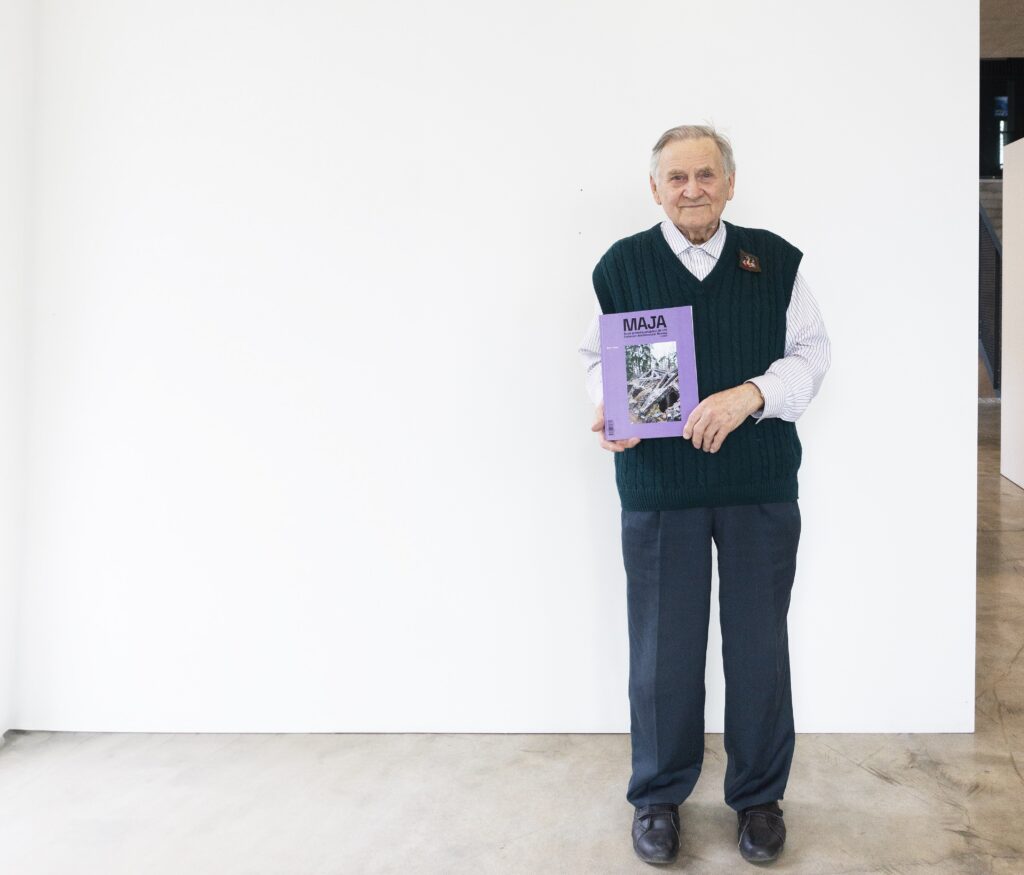
In talking to Rein Einasto, interdisciplinarity shows itself to be something more than calculated collaboration between experts of different fields. It has a cultural rather than project-based meaning, consisting of commonly shared social responsibility, making sense of collective action, or, to use Einasto’s own expression, being in a common spirit.
No more posts