What is an architect’s work, and what is its result? Is it a finished building, street, auditorium? Or is it an abstraction of these things—a design, i.e., project documentation that will be translated into a building by someone else? We asked several architecture collectives for their opinion.
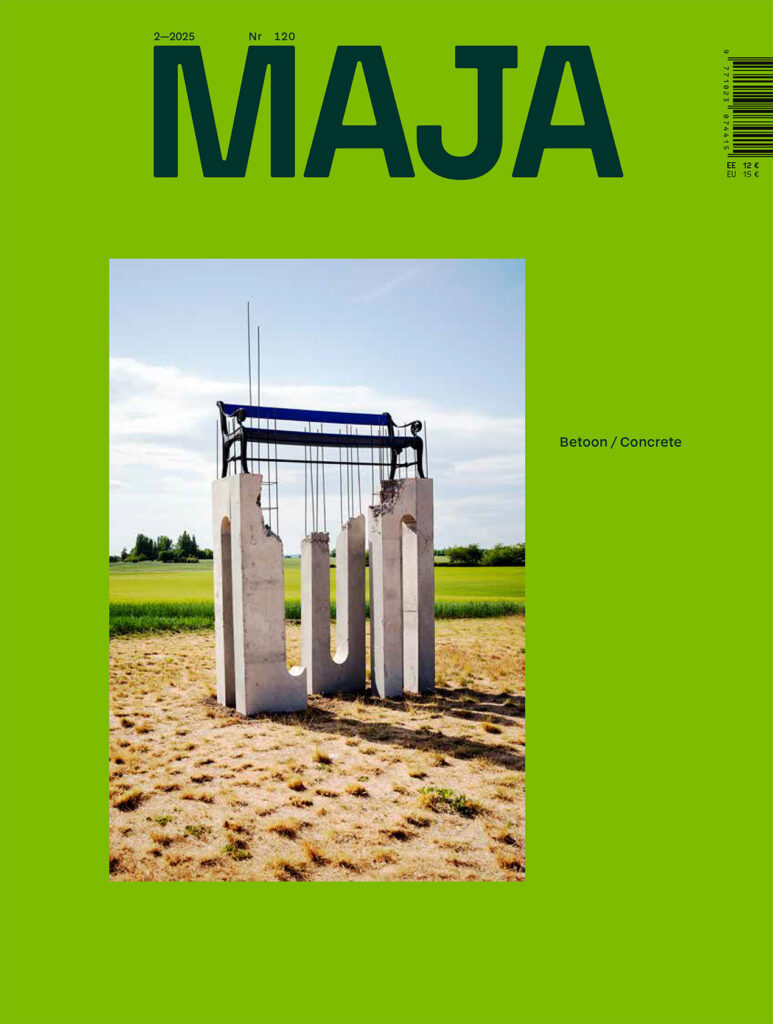
Where is the line between genuine development and pointless construction? How to use concrete reasonably rather than wastefully? In what form should concrete figure in contemporary architecture?
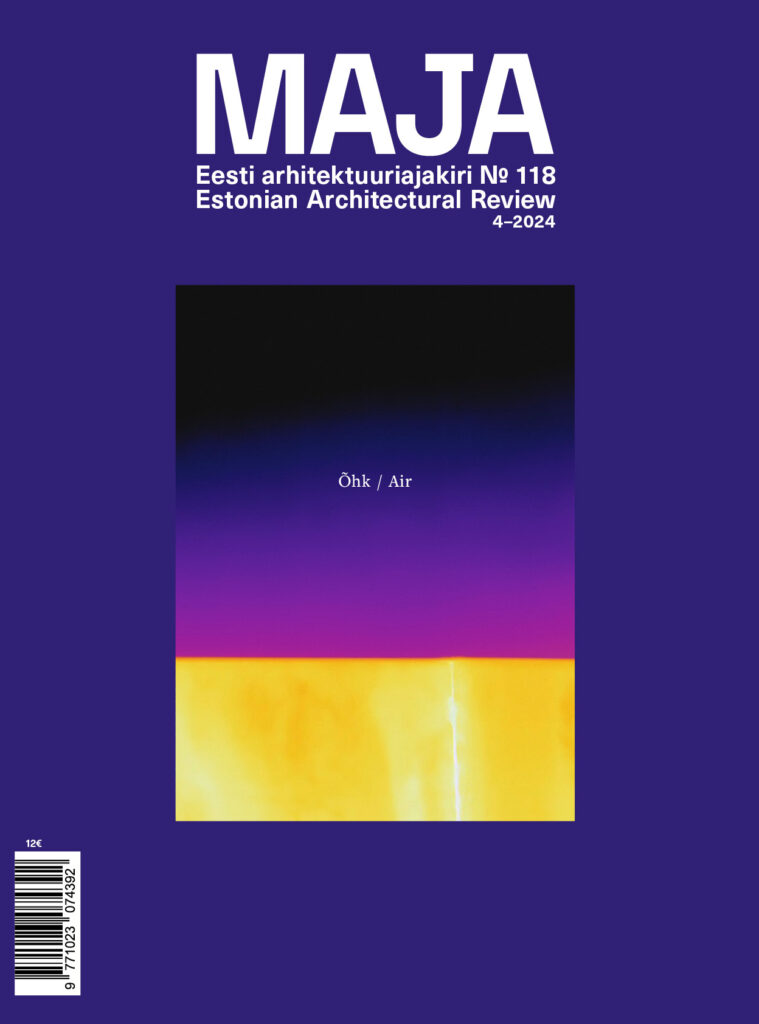
Air and its composition concern every field of spatial design, both at the micro and macro levels. The way in which airflows are controlled reveals how a built space relates to its surrounding environment. Hence, in this issue we ask: how does your house breathe?
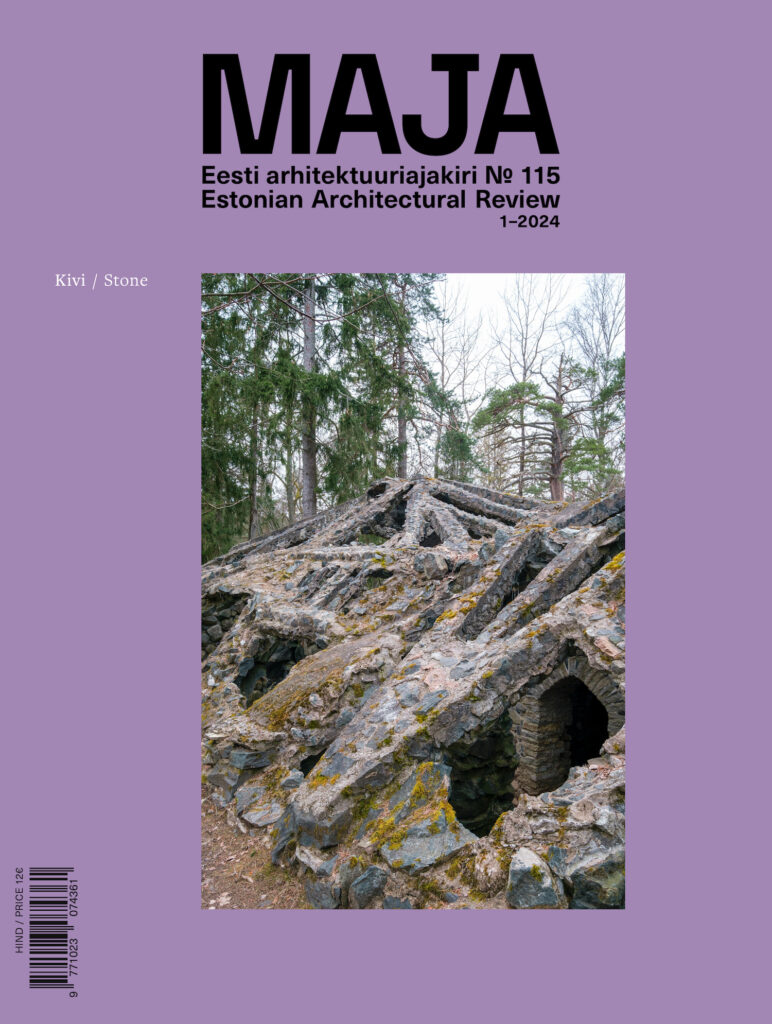
Thinking through stone opens up a fresh perspective on construction culture (and the lack thereof), availability of local building materials and their untapped (economic) potential, and, ultimately, on building truly long-lasting buildings.
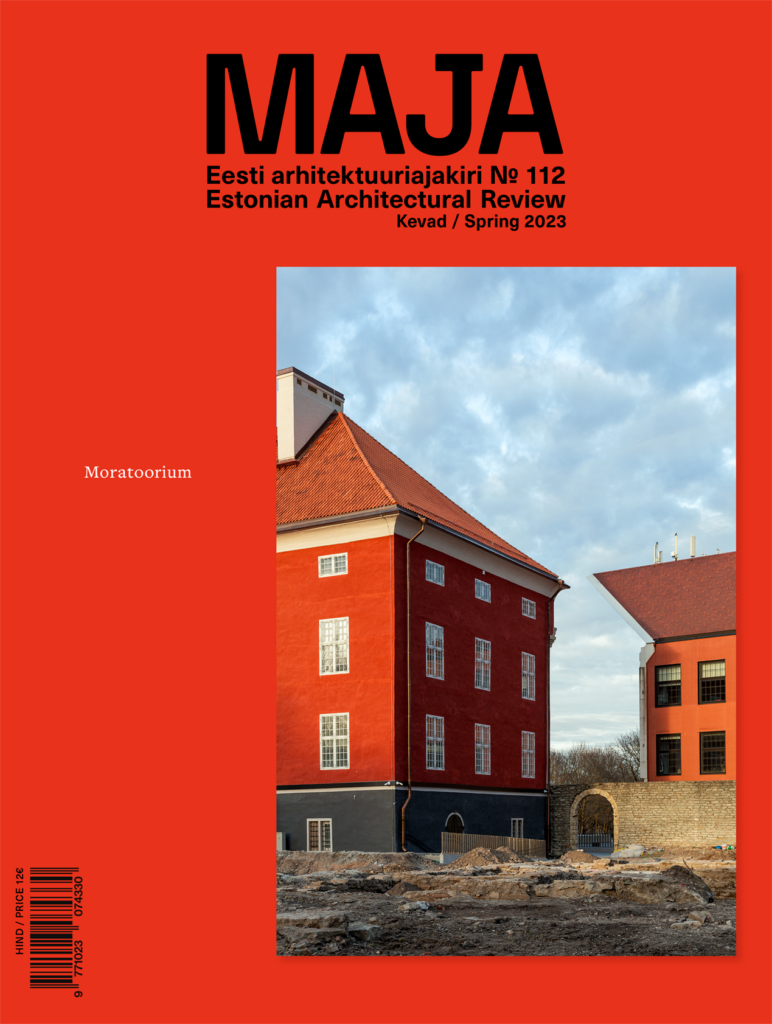
This issue of Maja takes the call for a moratorium on all new construction as its starting point.
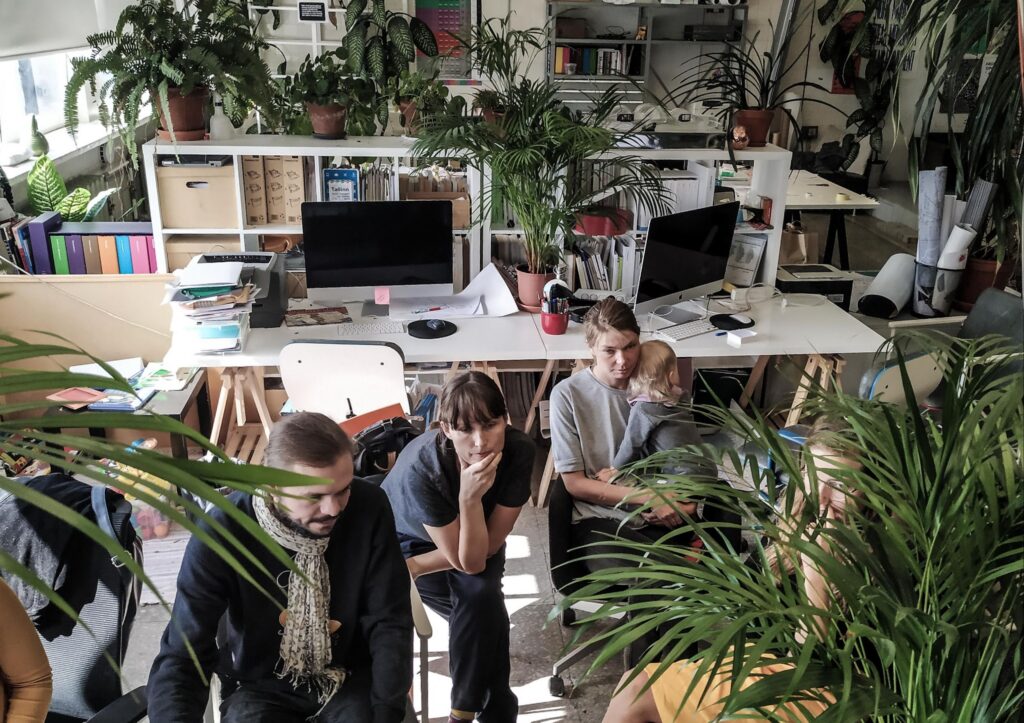
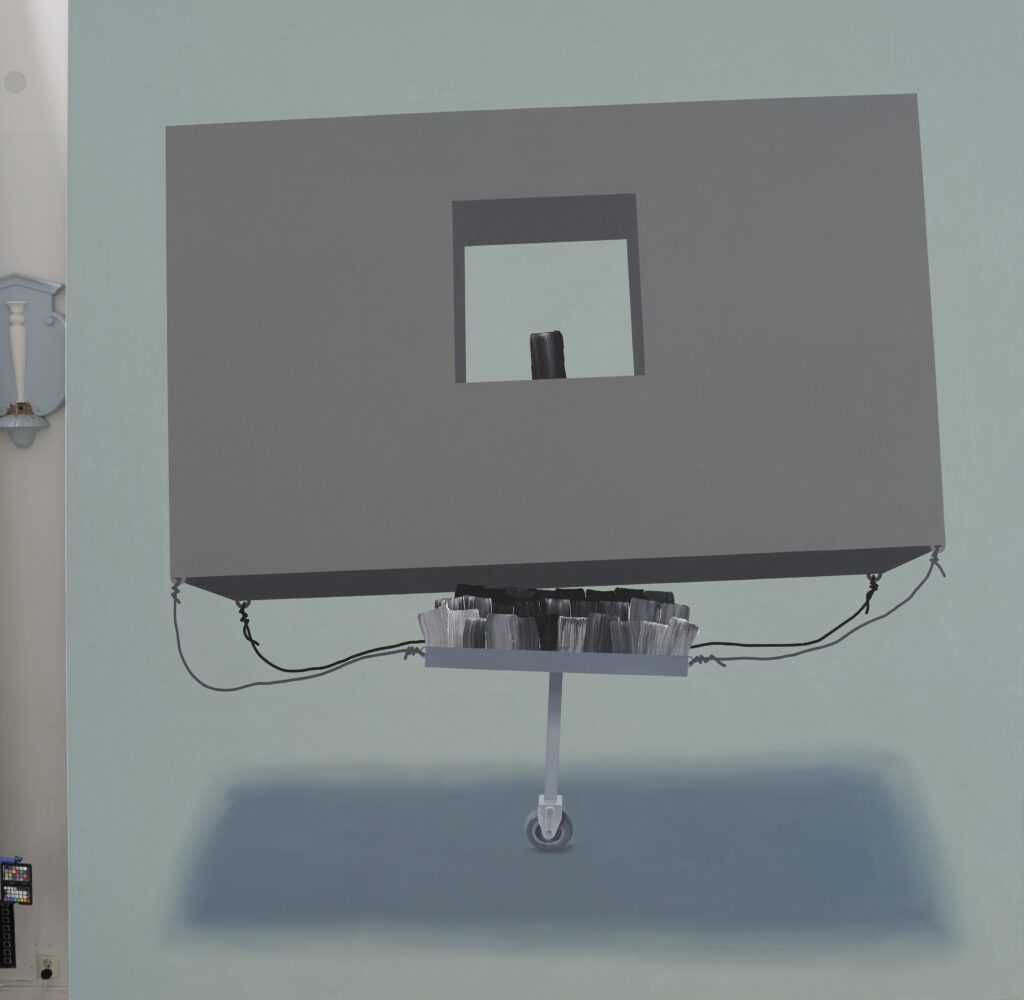
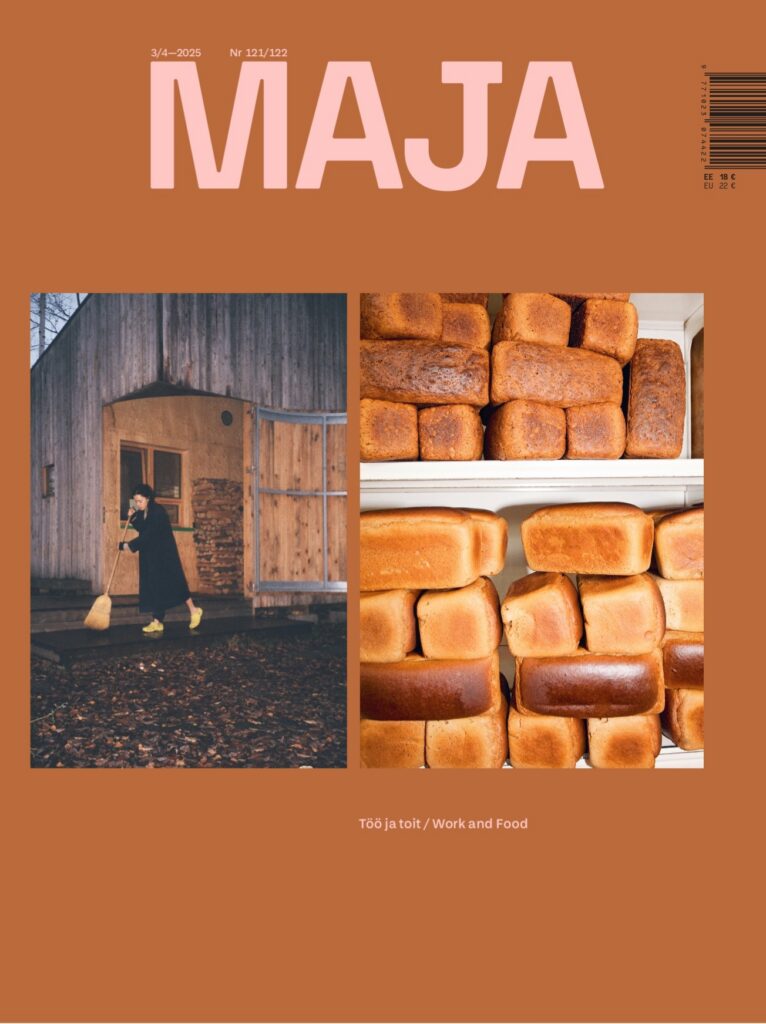
Twelve respondents—offices, architects, and collectives—describe what they take to be the result of an architect’s work. Their answers are accompanied by images of workplaces and moments in which the result is most clearly seen.
Laura Linsi talks to Keiti Lige, Elina Liiva, and Helena Männa to discuss whether the cornerstone in the renovation marathon is the concrete panel—or whether it is strong human relationships instead.
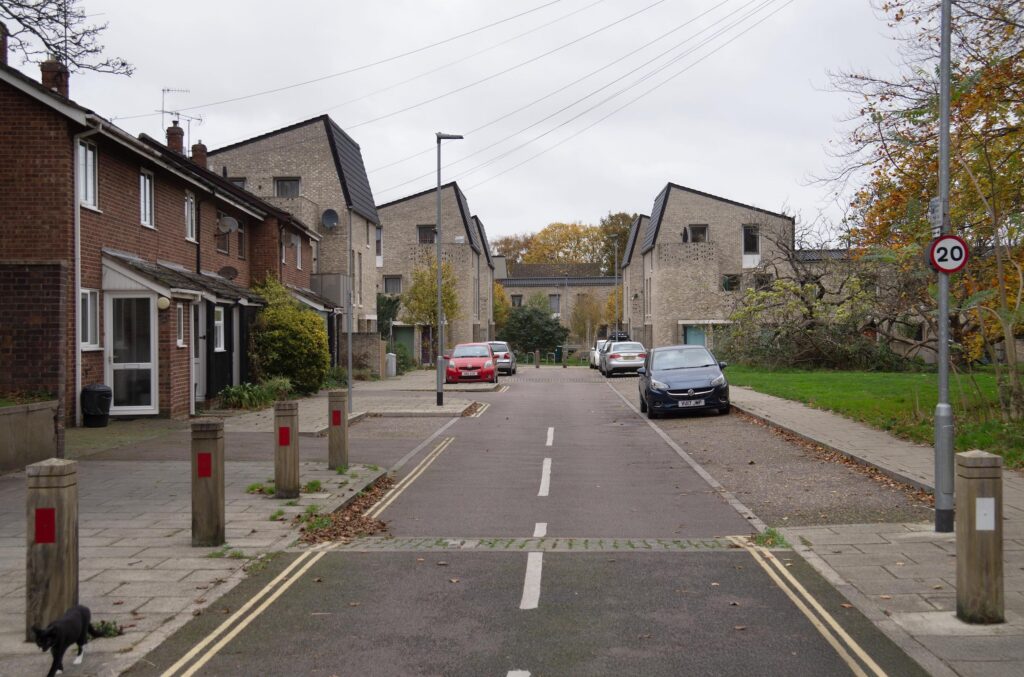
In the UK, a number of councils have adopted the passive house method in order to realise their growing ambitions in the housing sector. Could this also lead to an increase in spatial quality?
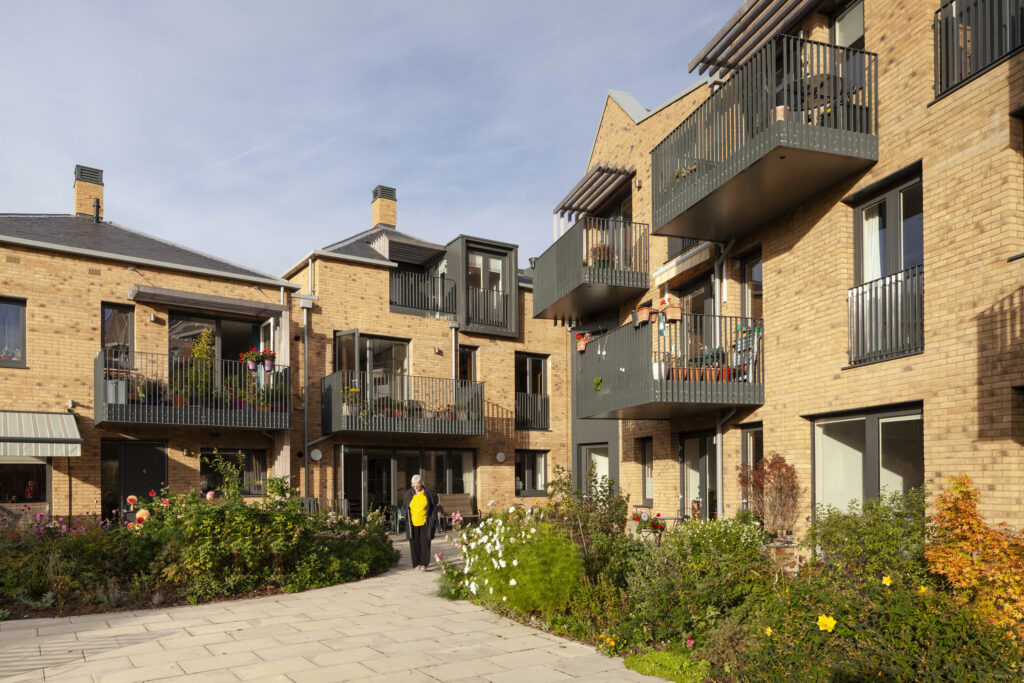
In 2016, a group of women moved into a building in the borough of Barnet on the outskirts of London—a building that had been developed and built in collaboration with them and specially for them. Thus culminated a process that had begun in 1998, when some of these women founded the Older Women’s Co-Housing (OWCH) group.
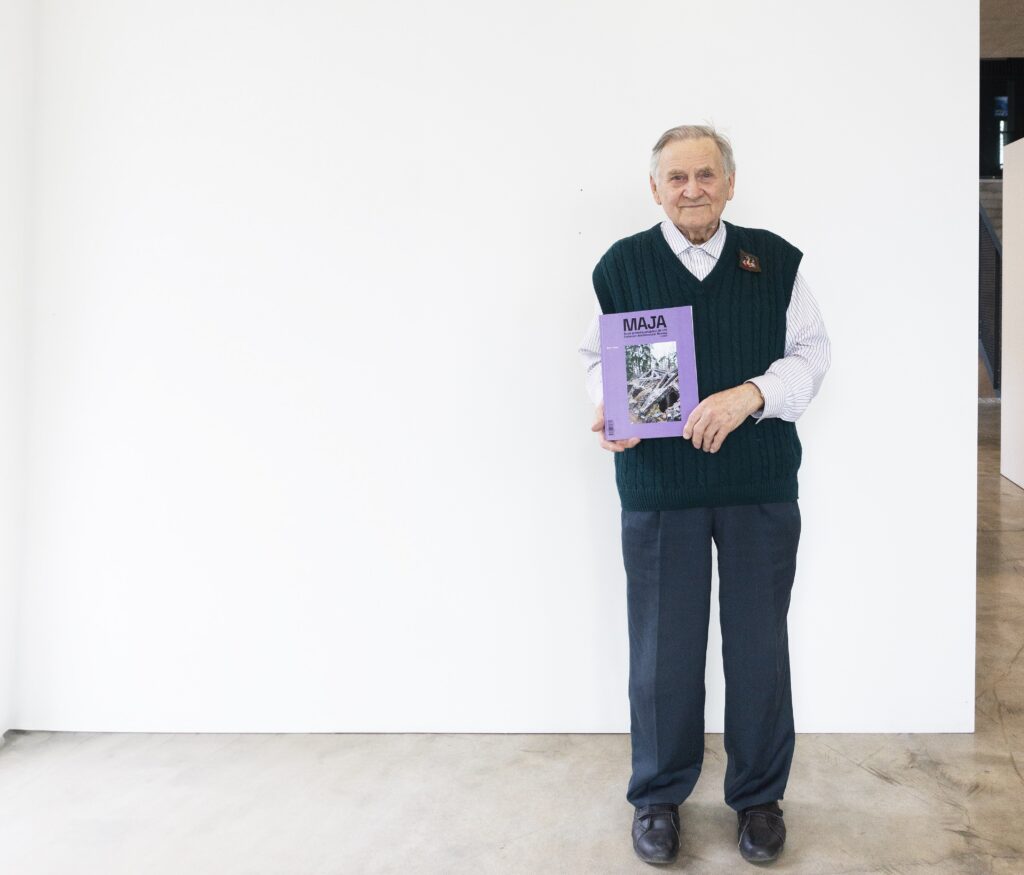
In talking to Rein Einasto, interdisciplinarity shows itself to be something more than calculated collaboration between experts of different fields. It has a cultural rather than project-based meaning, consisting of commonly shared social responsibility, making sense of collective action, or, to use Einasto’s own expression, being in a common spirit.
No more posts